KFC
KFC 11 Herbs and Spices Seasoning Copycat Recipe
The blend itself, in proportions that actually work, with the two ingredients that carry it and the one nobody wants …
 food.fast
Takeaway taste, kitchen prices
Fried Chicken With That Crust, Without a Pressure Fryer
Chicken that is genuinely close, made in a pan, with nothing dangerous asked of you.
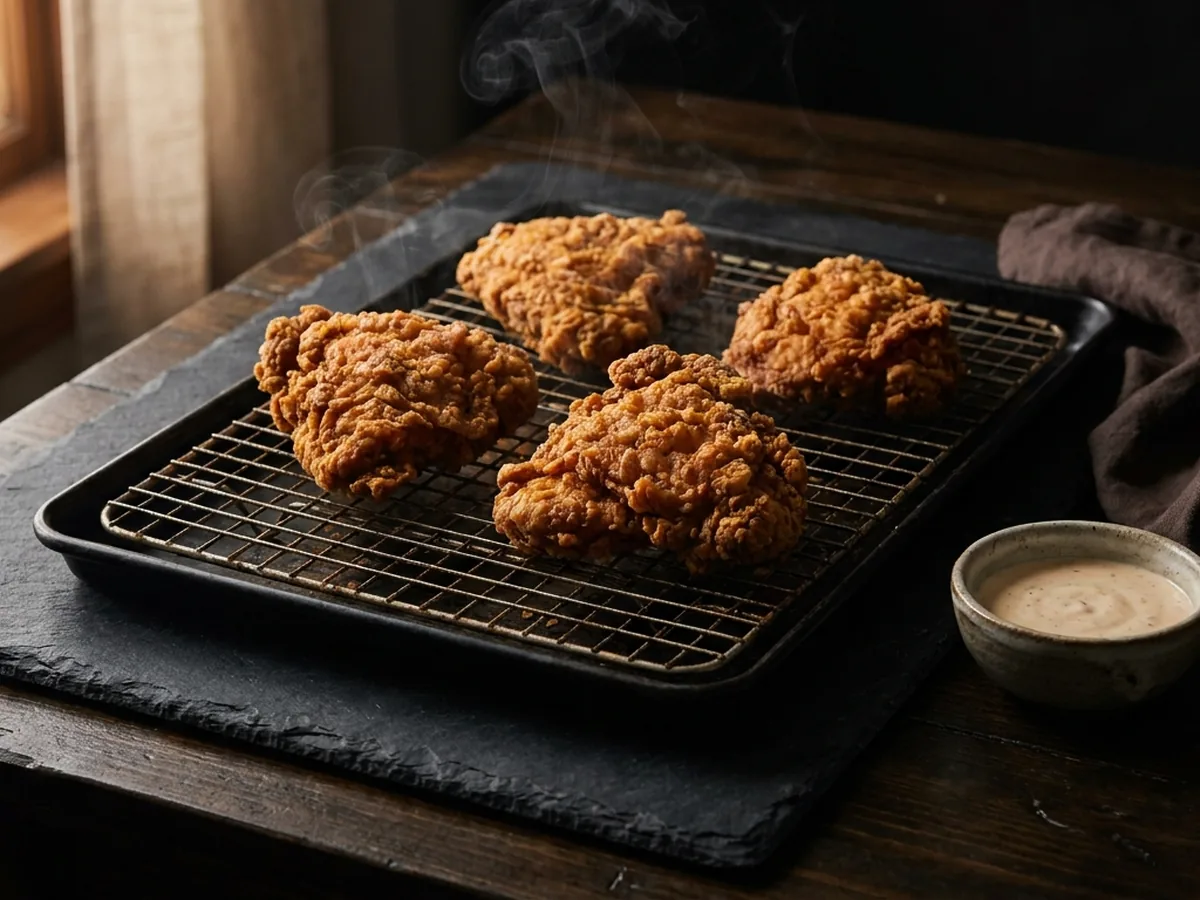
AI-generated illustration created for food.fast. It is not photographic evidence of a prepared batch.
Start with the thing most copycat recipes will not say. KFC's Original Recipe is cooked in a commercial pressure fryer - a sealed vessel holding oil at around one atmosphere of gauge pressure, with interlocks, pressure relief and thermal cut-offs. Raising the pressure raises the boiling point inside the meat, which is how a bone-in thigh cooks through in nine minutes without drying out.
You cannot do that at home. A domestic pressure cooker is not designed for hot oil, has none of the safety features required, and every major manufacturer explicitly prohibits it. People have been seriously injured doing this. No recipe on this site will ever ask you to, and any recipe anywhere that does should end your trust in that site entirely.
So this recipe closes the gap a different way: a long buttermilk brine so the meat holds its own moisture, a double dredge with a rest so the crust fuses rather than flakes, and careful heat management in an ordinary pan. The result is not identical. It is close enough that people who eat it without being told say the name unprompted, and the crust is arguably better because your oil is fresh.
The method gives quantities, timings and observable cues rather than asking you to guess. The 6 cases in If it goes wrong explain likely causes and corrective action; 3 ingredient notes explain choices that materially affect the result.
See the recipe verification standard · See how the cost is calculated
Buttermilk brining is often explained as "the acid tenderises the meat". That is mostly wrong, and understanding what actually happens tells you how long to leave it.
The salt is doing the work. Salt in solution denatures the proteins in the muscle so they hold onto water rather than squeezing it out when heated. That process is a diffusion - salt has to travel into the meat, and the rate is roughly fixed. An hour salts the surface. Four hours reaches a centimetre in. Eight hours gets through a chicken thigh.
The buttermilk contributes three other things: a small amount of acid that softens the very outer layer, lactose and milk solids that brown beautifully in the fryer, and enough viscosity that the flour dredge has something to grip.
Do not go past twenty-four hours. Beyond that the acid works far enough into the surface that the texture turns chalky and slightly mealy, which is a different failure from dry and no more pleasant.
The single most common failure in home fried chicken is the coating coming away in the oil, leaving bald patches of skin and a pan full of loose crust.
The fix is a sequence, and the rest in the middle of it is the part people skip:
You can see it happening: the coating goes from dusty white to slightly grey and tacky. That is the moment it is ready.
Everyone watches for 165 °C. Far fewer watch what happens in the thirty seconds after the chicken goes in, which is where the frying is actually decided.
Cold chicken hitting hot oil drops the temperature. How far it drops depends on how much oil there is against how much chicken, and how fast it recovers depends on the pan and the hob. A litre of oil in a thin pan with four thighs in it will crash to 130 °C and sit there, and chicken cooked at 130 °C absorbs oil, goes pale and turns greasy.
Three rules that fix it:
A probe thermometer clipped to the side of the pan makes all of this trivial and costs about twelve pounds. Without one you are guessing at the single variable that decides the outcome.
Baking powder reacts with moisture and heat to produce tiny gas bubbles in the coating as it fries, which is what gives a craggy, open crust rather than a smooth shell. It also very slightly raises the surface pH, which speeds up browning. One teaspoon per two cups of flour; more than that and you can taste it.
This is a restaurant trick and it is the best thirty seconds in the recipe. Drizzle a little of the brine into the seasoned flour and rub it through with your fingertips until you have small lumps the size of couscous. Those lumps become the craggy bits that catch the oil and go dark and crunchy.
Whole milk with a tablespoon of lemon juice or white vinegar per cup, left for ten minutes, is a genuine substitute for the brining. It is slightly thinner, so the dredge grips a little less well - press harder.
Two breasts halved across, two thighs, two drumsticks, two wings. Halving the breasts matters - a whole breast on the bone takes so much longer than a drumstick that one of them will be wrong.
About 15 minButtermilk, salt and hot sauce in a bowl or a large bag. Add the chicken, make sure every piece is covered, and into the fridge for eight to twelve hours.
Flour, spice blend and baking powder whisked together. Then drizzle over three tablespoons of the brine and rub it through with your fingers until you have small lumps.
About 4 minLift a piece straight from the brine, let the excess run off for two seconds, into the flour, press. Back into the buttermilk for a moment. Into the flour again, and this time really press it on with your palm.
The coating will go from dusty to tacky as it hydrates. That change is the coating bonding to the chicken, and it is the difference between a crust and a pan full of loose flour.
About 10 min4 cm of oil in the pan, no more than a third full. Rack and tray ready beside the hob. Thermometer clipped on. A lid within reach - a lid is how you deal with an oil fire, never water.
Lower them in away from you. The temperature will drop to around 160 °C; adjust the heat to hold it at 165. Dark meat takes 13 to 15 minutes, breast pieces 10 to 12, wings 8 to 10.
About 15 minThis is the only way to know, and colour is not a reliable indicator. If a piece is dark before it is cooked, your oil is too hot; drop it 10 degrees for the next batch.
About 1 minA rack, never kitchen paper - paper traps steam under the chicken and softens the crust you have just built. A small pinch of salt while it is glistening. Then five minutes for the juices to settle.
Not everybody wants to fill a pan with a litre and a half of oil on a Tuesday. Both alternatives work; both give up something specific.
Oven, 220 °C / 200 °C fan / gas 7, 35 to 40 minutes. Dredge exactly as above, then spray or drizzle the coated pieces generously with oil - genuinely generously, until the flour looks wet rather than dusty, because dry flour in an oven stays dry flour. Onto a wire rack over a tray so the underside cooks. Turn once at 20 minutes. You get about 80 per cent of the crunch and a slightly drier, more roasted flavour.
Air fryer, 190 °C, 22 to 26 minutes, turned at 12. The best non-fried result, and for wings and drumsticks it is genuinely excellent. Spray the coating with oil before and again when you turn. The limit is capacity - four pieces at most in a standard basket, and crowding it ruins the point.
What both lose is the specific texture that comes from flour cooked in fat at 165 °C, which sets into a brittle shell. Oven and air fryer coatings are crisp but harder and drier. It is a real difference and it is a reasonable trade.
This is the part of the recipe that matters most and it takes two minutes to read.
| Piece | Minutes | Internal target | Notes |
|---|---|---|---|
| Drumstick | 13-15 | 74 °C | Goes in first - most forgiving |
| Thigh, bone in | 14-16 | 74 °C | Probe away from the bone |
| Breast, halved | 10-12 | 74 °C | Overcooks fastest |
| Wing | 8-10 | 74 °C | Watch it - colours very quickly |
| Boneless thigh | 7-9 | 74 °C | For a Zinger-style burger |
| Component | Amount | Cost |
|---|---|---|
| Whole chicken | 1.6 kg | £4.20 |
| Buttermilk | 480 ml | £0.95 |
| Flour and spice blend | 250 g + 18 g | £0.53 |
| Frying oil, share of bottle | 500 ml effective | £1.12 |
| Eight pieces at home | £6.80 | |
| 8-piece bucket, UK counter price | £17.99 |
Two teaspoons of cayenne into the dredge, and a tablespoon more hot sauce in the brine. For a serious heat, brush the finished pieces with a cayenne-and-oil paste while they are still hot.
Boneless thighs, 7 to 9 minutes. This is the base of the Zinger-style burger.
A 5% salt brine - 50 g salt to a litre of water - for four hours, then a beaten-egg-and-milk wash in place of the buttermilk in the dredging sequence.
Each entry names a likely cause as well as a correction, so the advice remains useful when equipment, ingredients or batch size differ.
The recipes that go with this one, or that use what you have just made.
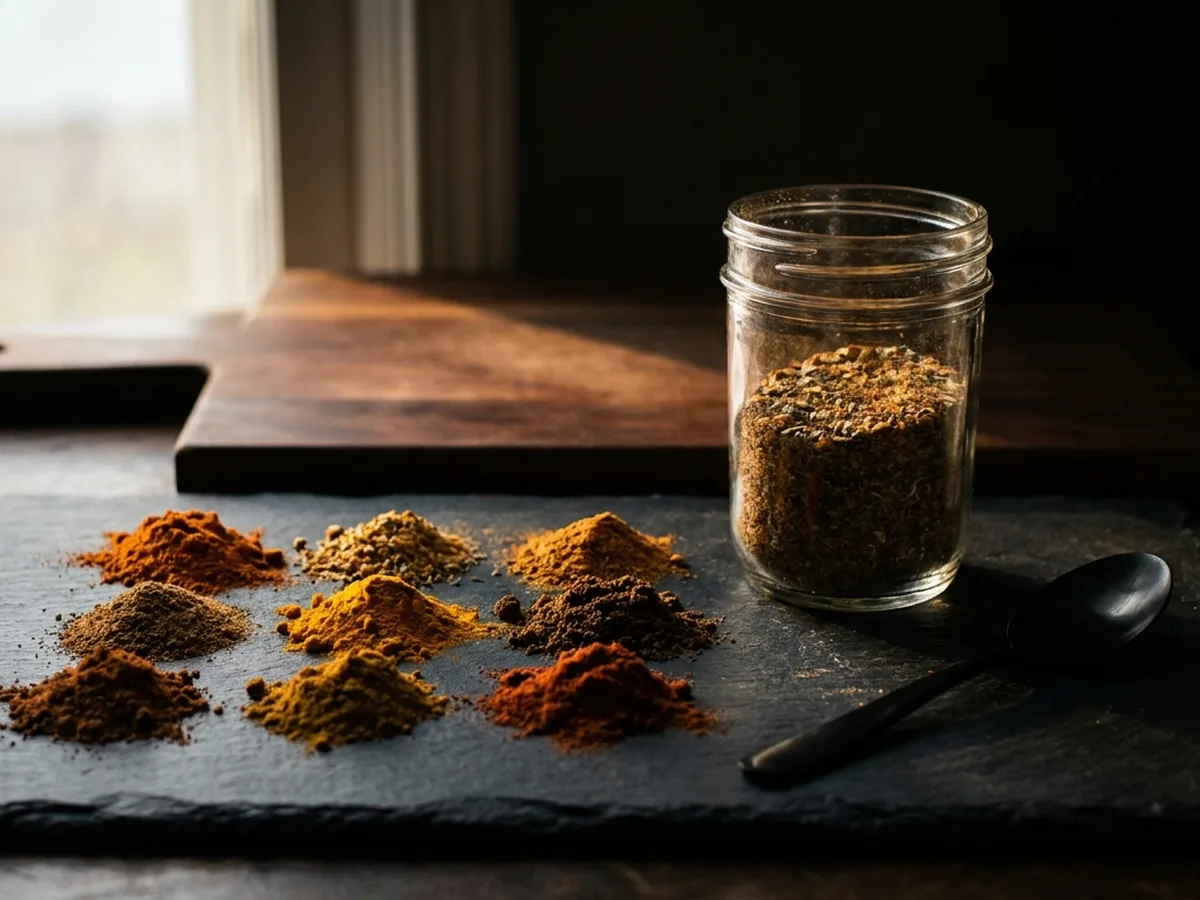
The blend itself, in proportions that actually work, with the two ingredients that carry it and the one nobody wants …
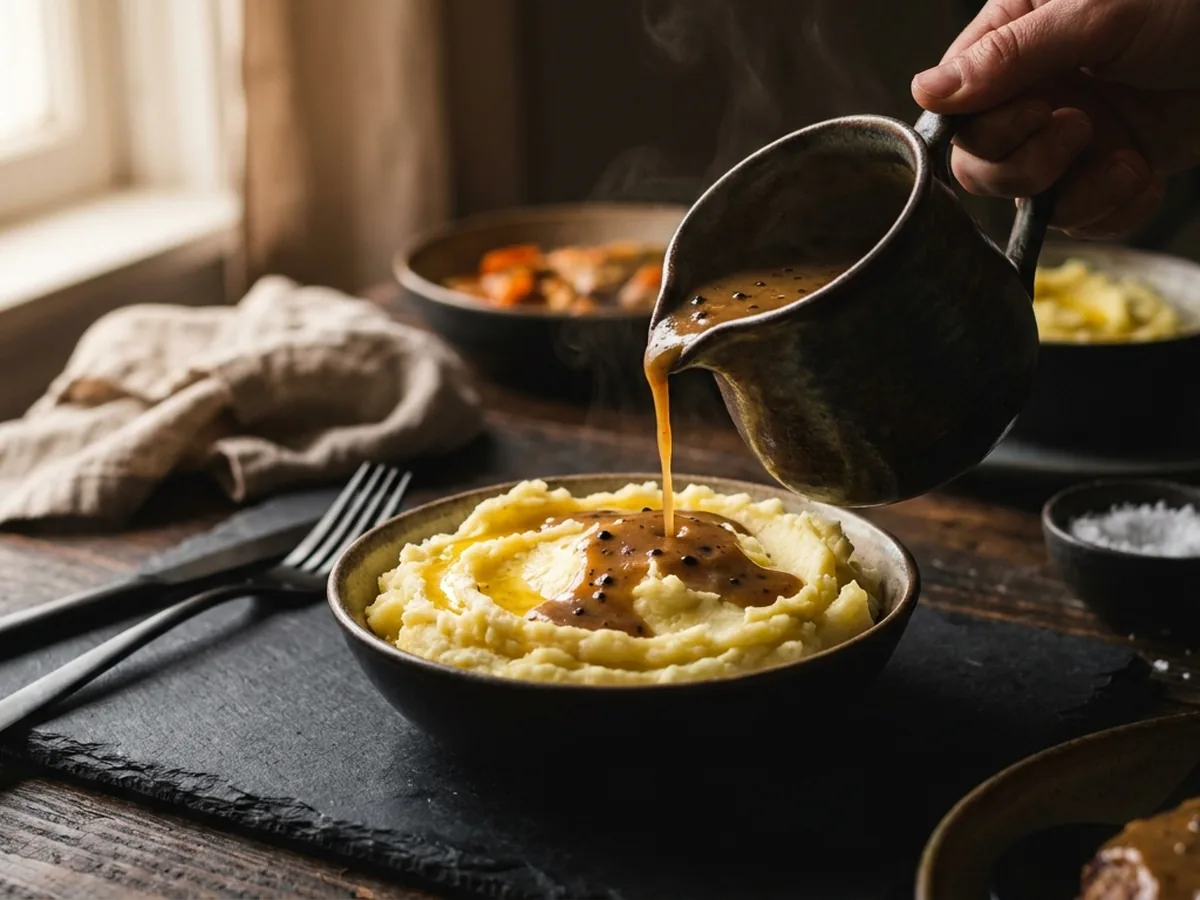
A properly dark roux, chicken stock and a genuinely startling amount of black pepper. Fifteen minutes, and the colour…
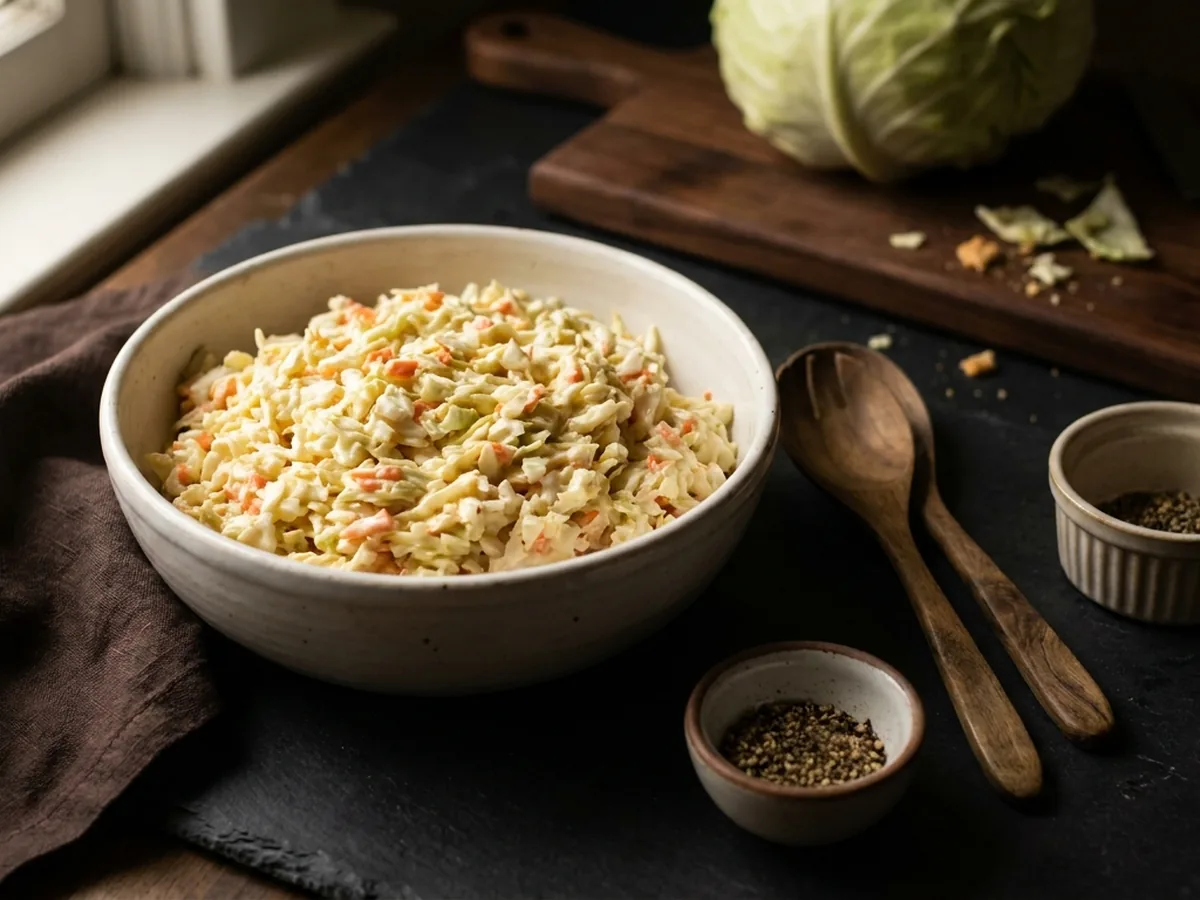
Chopped to rice-grain size rather than shredded, dressed sweet and sharp, and left overnight. Fifteen minutes of work.
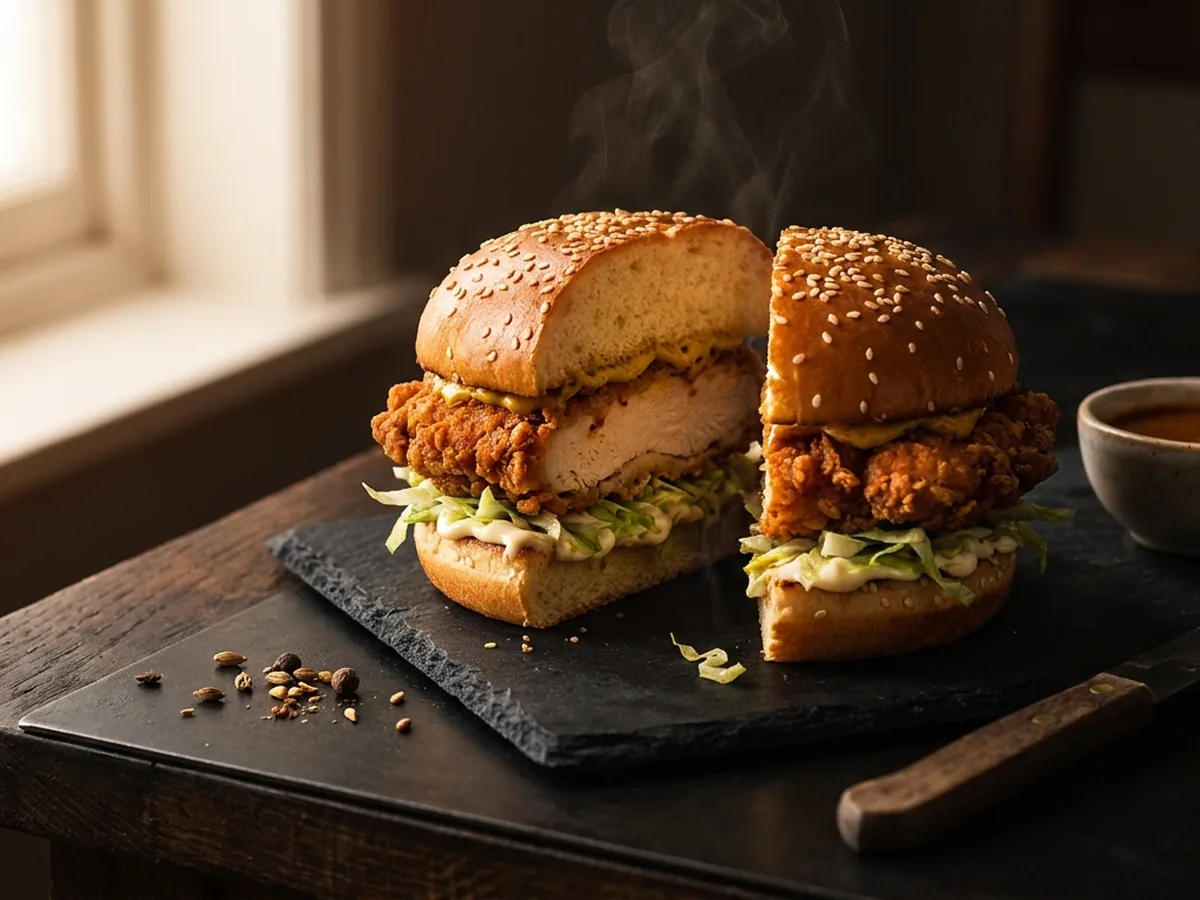
A boneless thigh, a cayenne-loaded dredge and plain mayonnaise. The heat is built into the crust, which is the whole trick.