Auntie Anne's
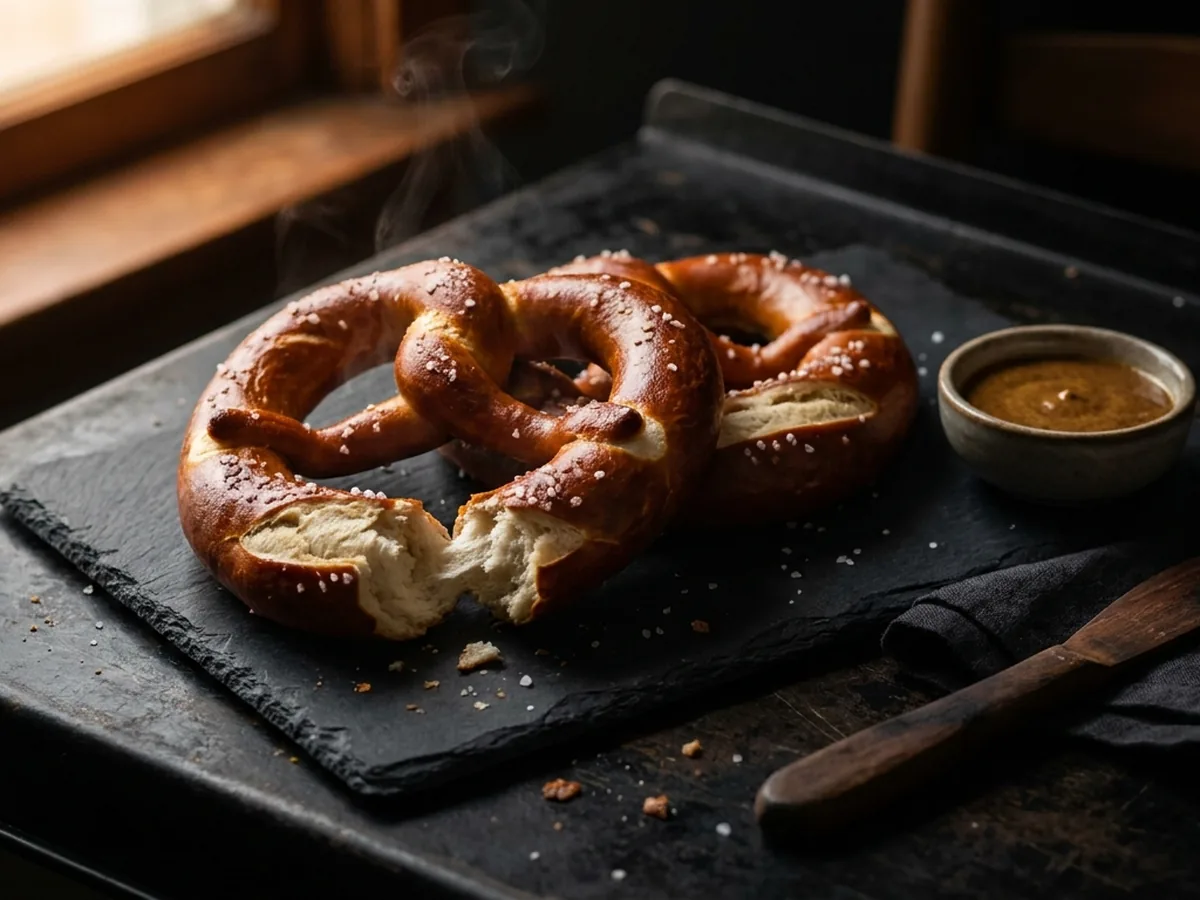
Auntie Anne's Soft Pretzel Copycat Recipe
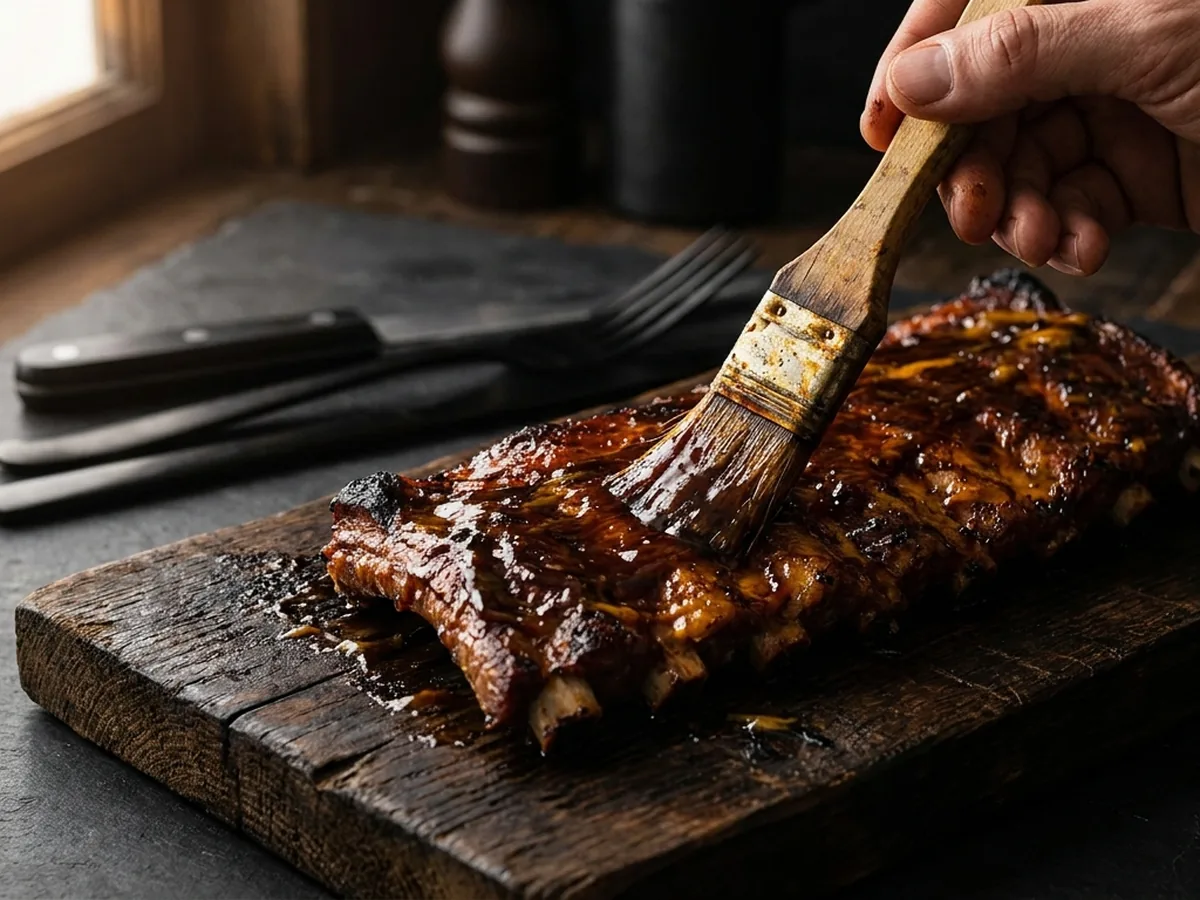
An ordinary bread dough put through an alkaline bath, buttered twice, and salted with coarse crystals. Thirty minutes…
 food.fast
Takeaway taste, kitchen prices
The fast food you order, rebuilt for your own kitchen.
90 copycat recipes for the chains you actually buy from - Each with a complete method, explicit assumptions, cost calculations, scalable batches and measurements in cups or metric.
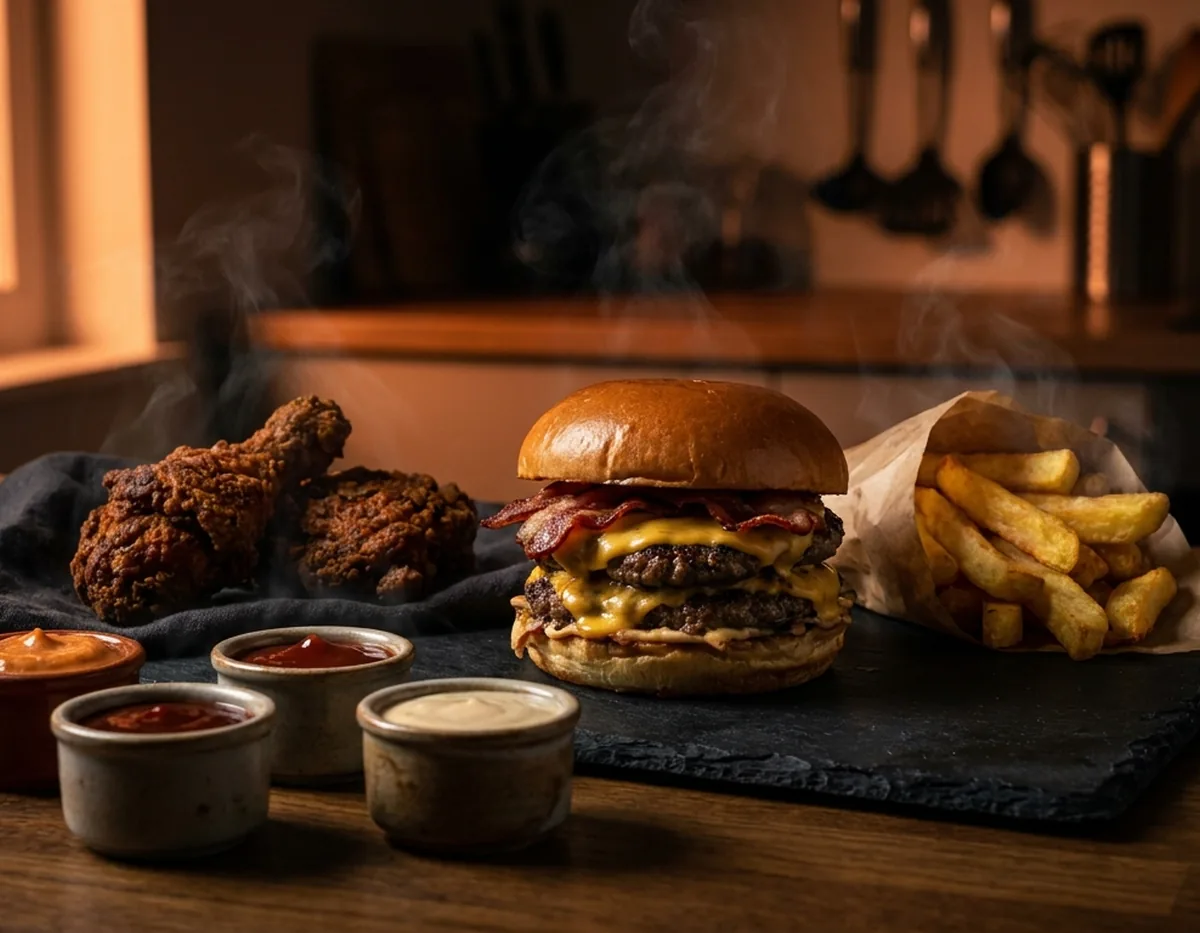
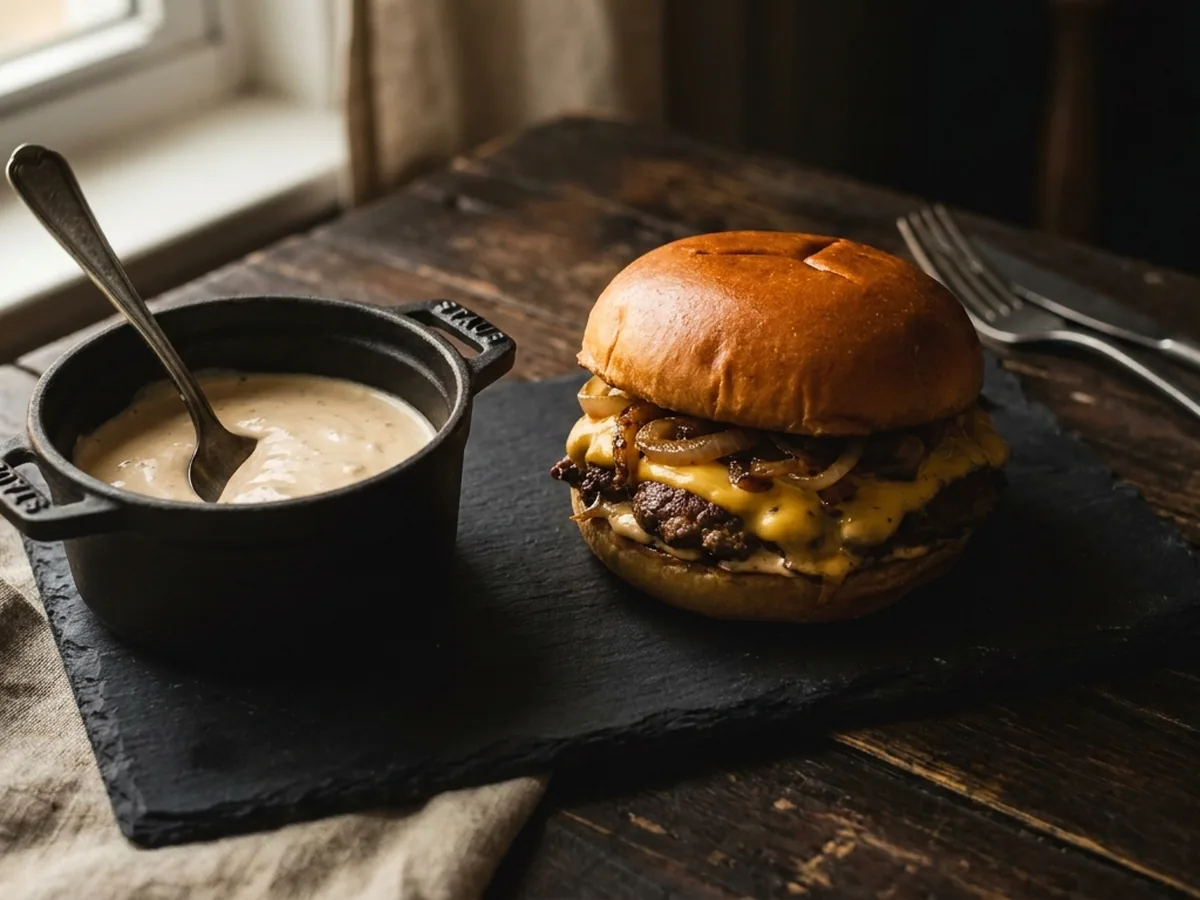
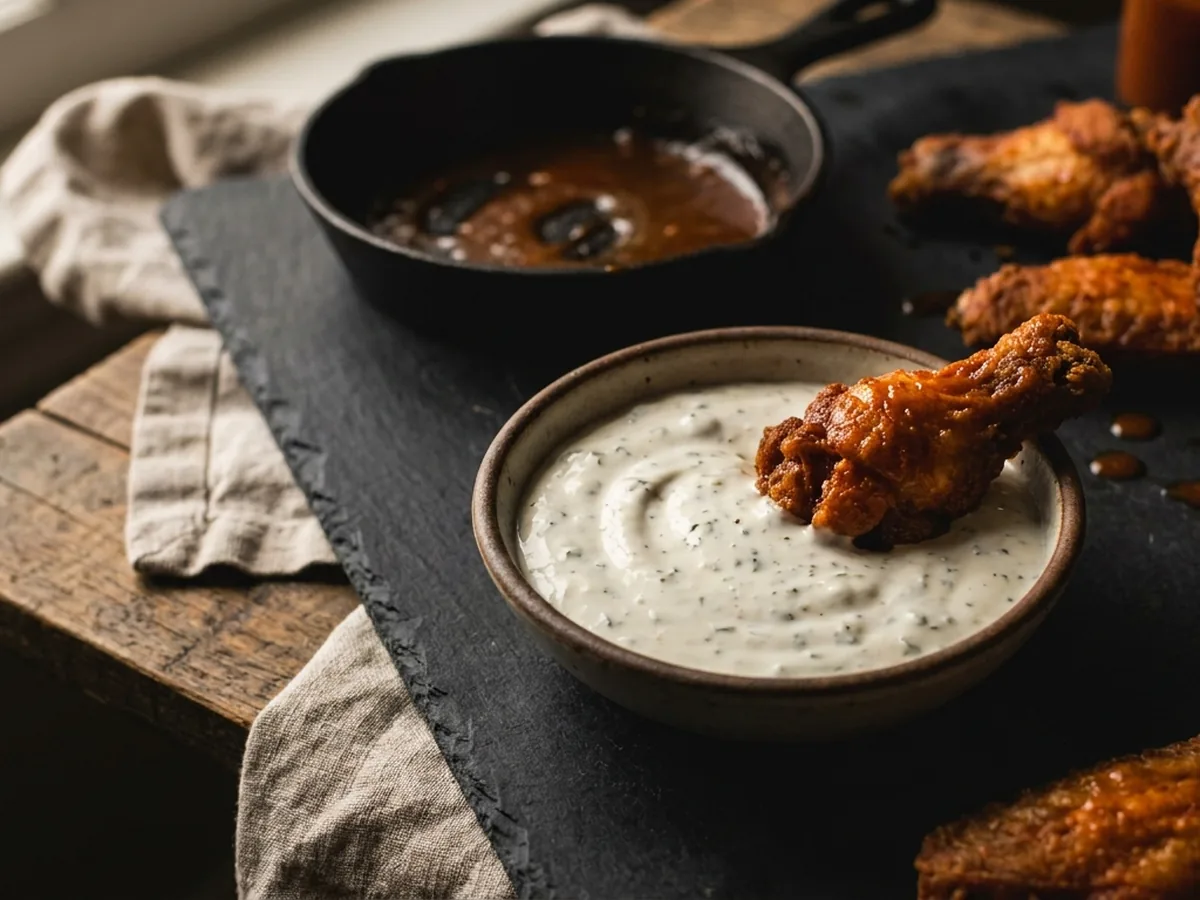
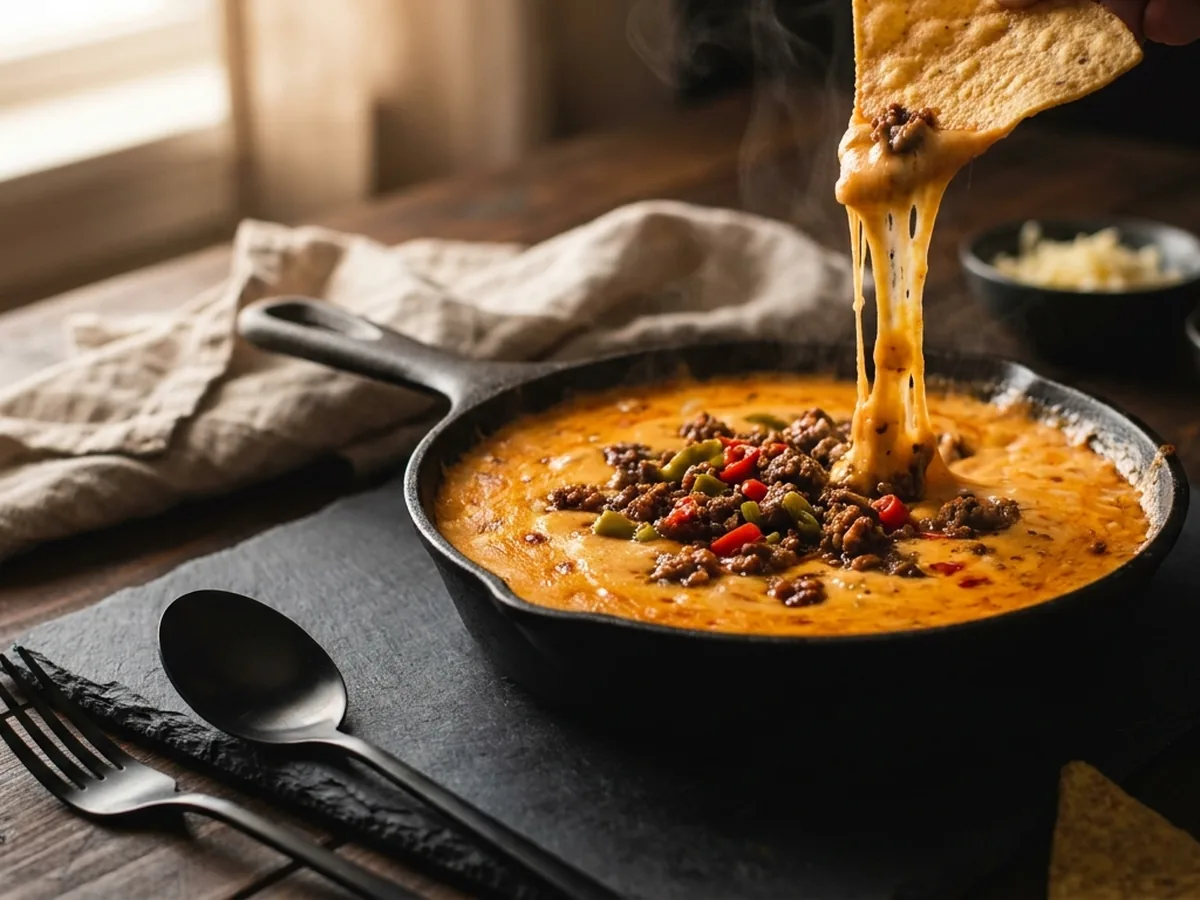
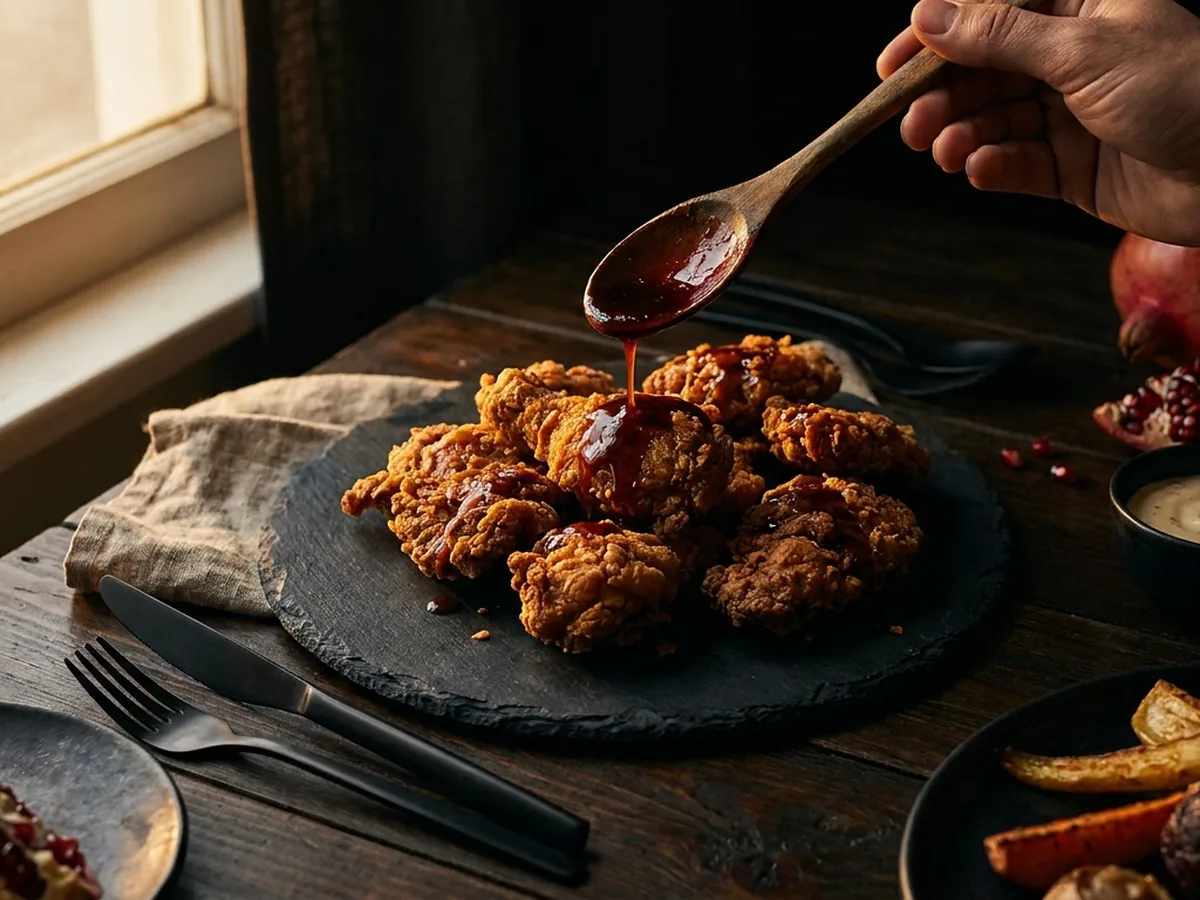
AI-generated illustration of recipes covered on this site; it is not a photograph of a prepared spread.
Every recipe switches between 1×, 2×, 4× and 8× and between US cups and metric - Using real ingredient densities, not a flat 240 g a cup.
Each recipe carries what the batch costs to make, priced on supermarket own-brand lines, against what the same thing costs on the menu.
Each method identifies equipment constraints, likely failure modes and the places where a domestic kitchen cannot reproduce a commercial process.
15,730 menu items across 11 countries, so a recipe can show you what the item it copies really costs where you live.
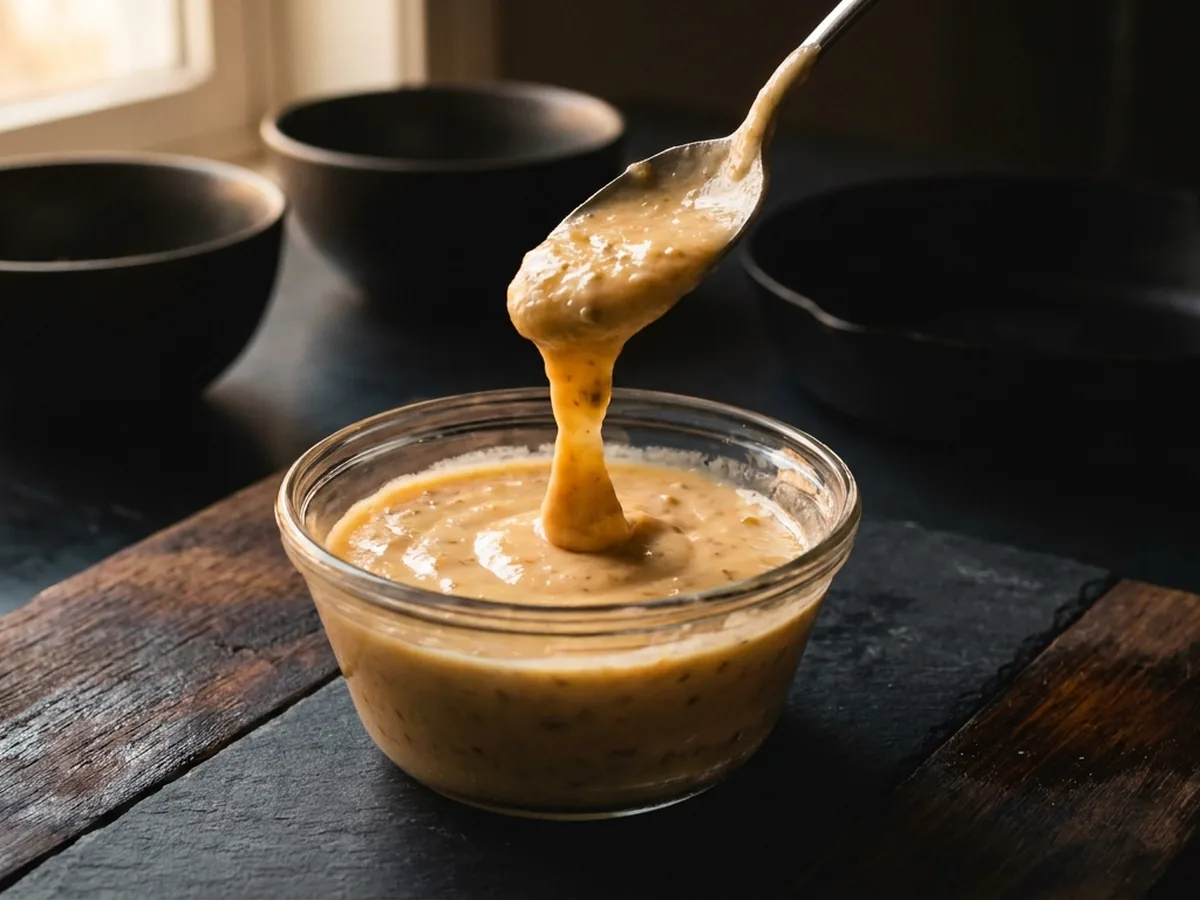
If you have never done this before, make a sauce. Ten minutes, about a pound of ingredients, and it changes every burger you cook for the next fortnight.
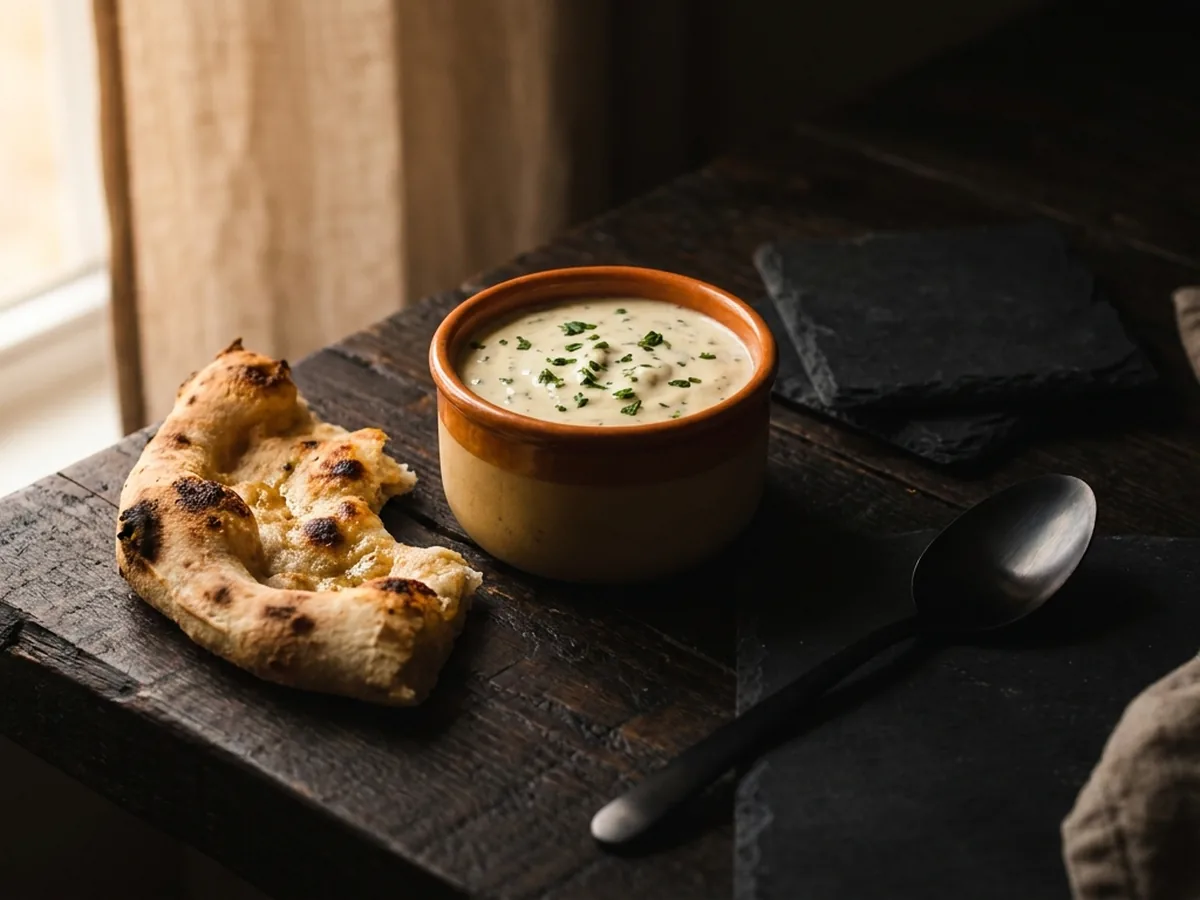
An ordinary bread dough put through an alkaline bath, buttered twice, and salted with coarse crystals. Thirty minutes…
Eight minutes, one bowl, no cooking. The sweet pickle relish base that every 'secret sauce' recipe gets wrong, and th…
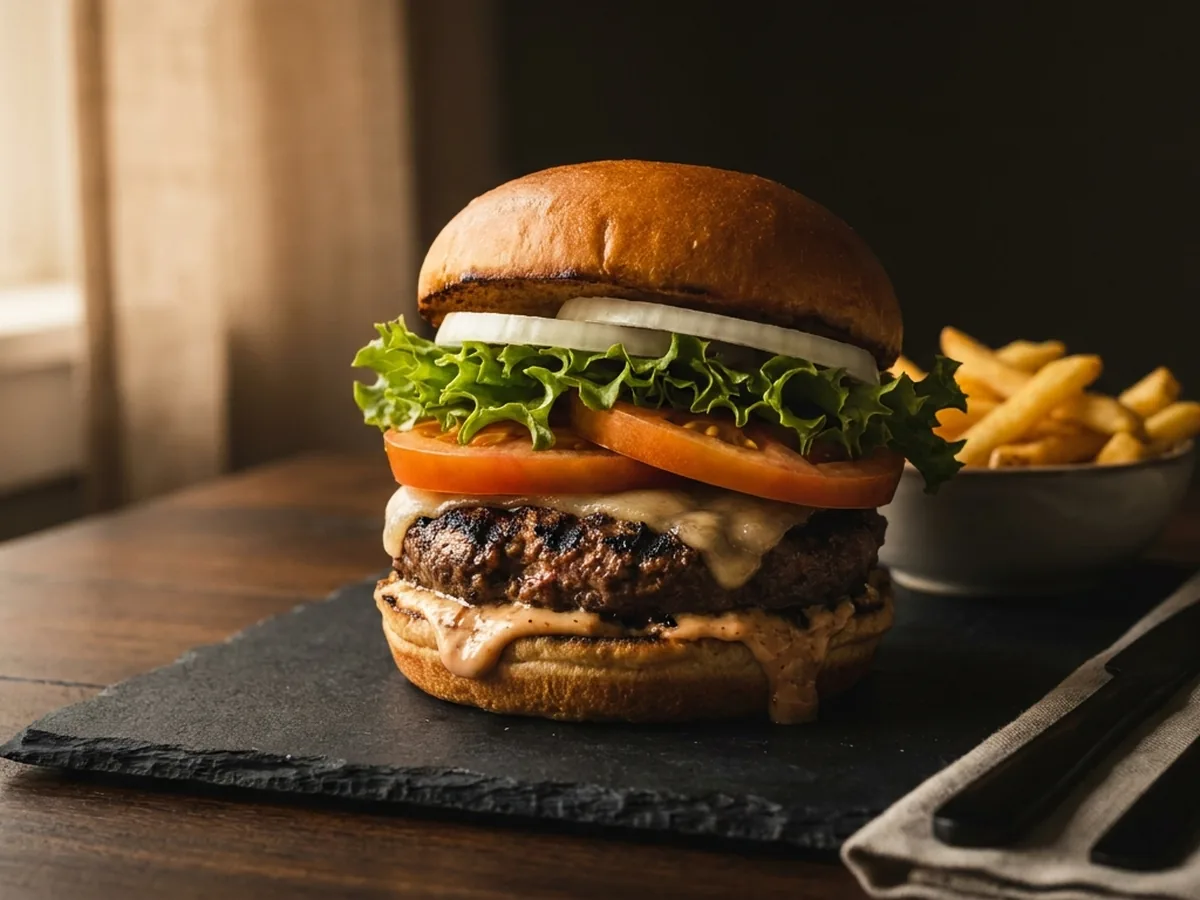
A flame-grilled quarter-pound patty, a serious quantity of mayonnaise, and more raw vegetable than any other chain bu…
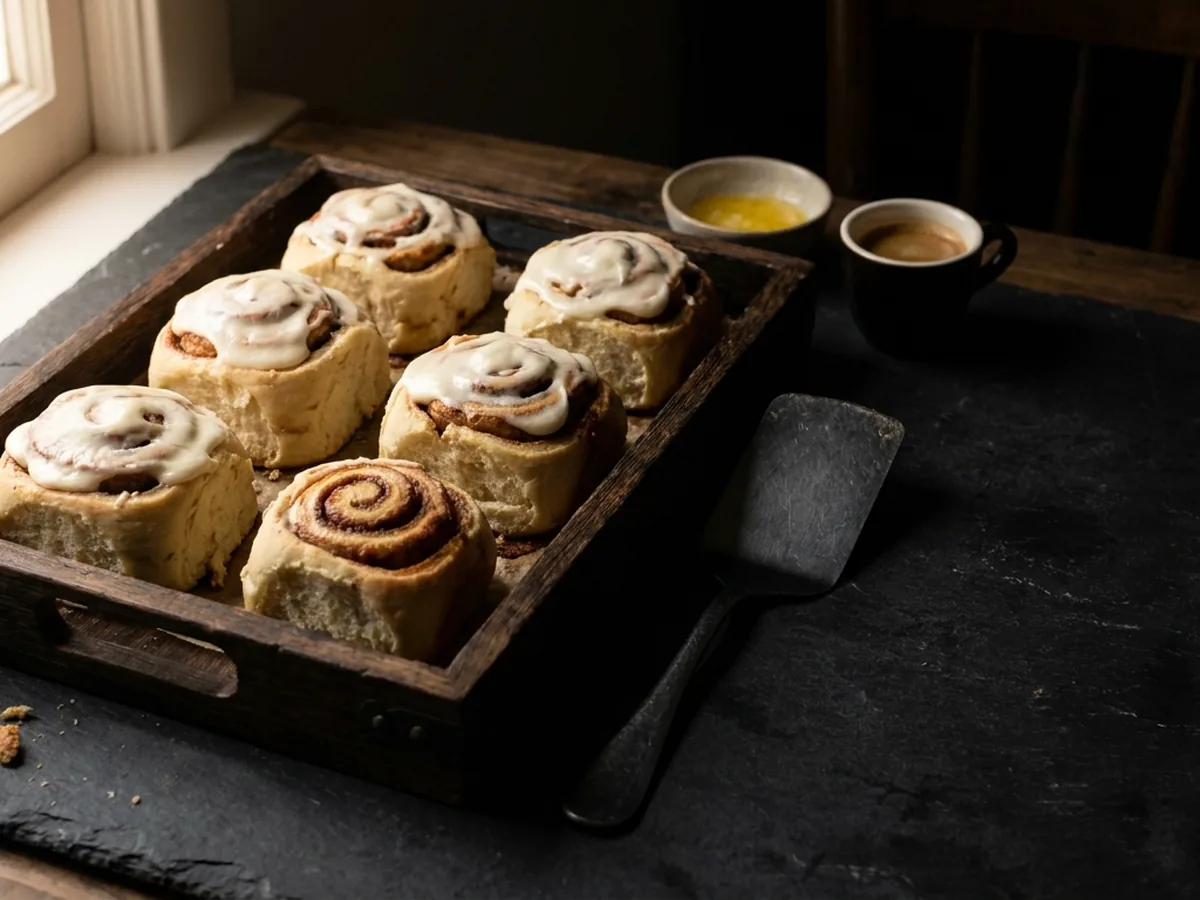
An enriched dough, a filling that is a third cinnamon by volume, and a cream cheese frosting with a much higher chees…
The most requested copycat dip in Britain. Four minutes, six ingredients, and two decisions that most versions get wrong.
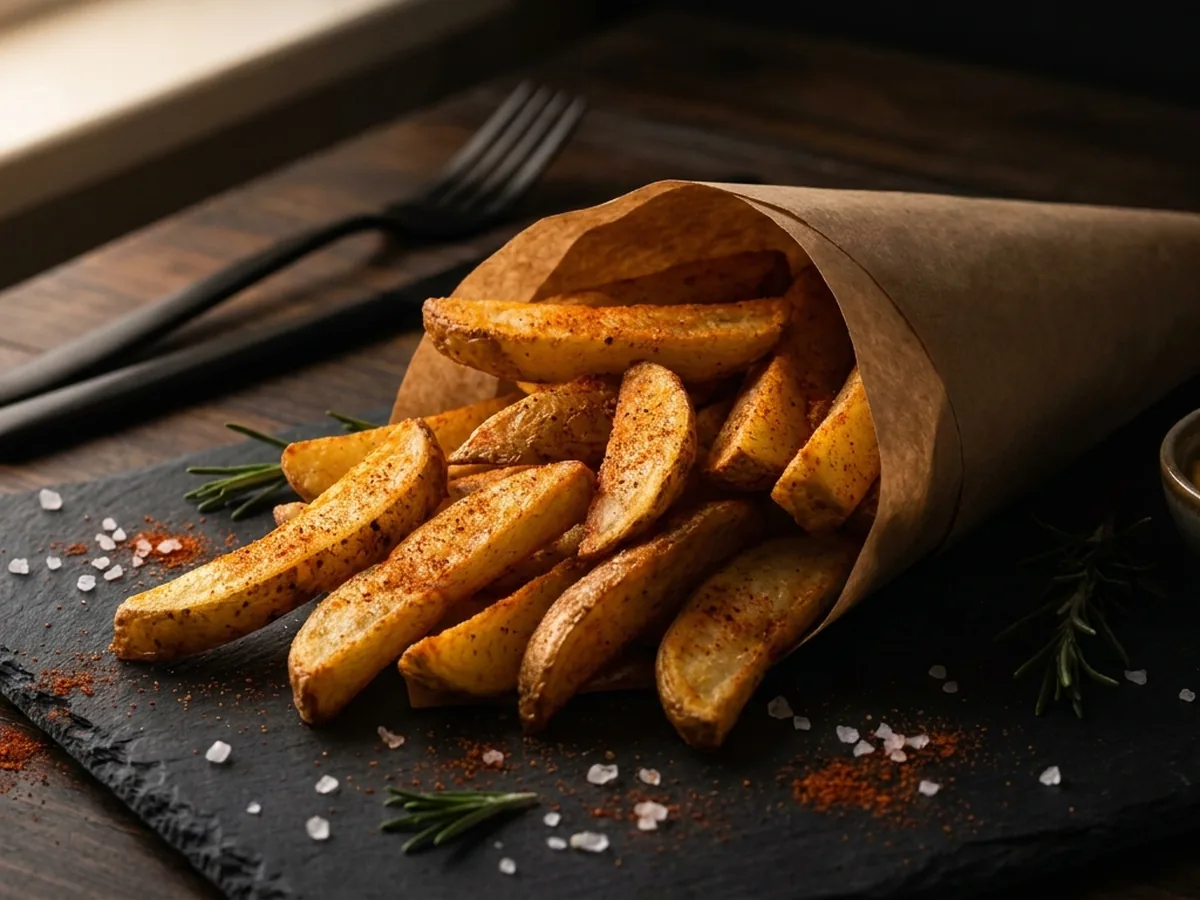
Skin-on potatoes, fried twice at two temperatures, tossed hot in Cajun seasoning. The oil is doing more of the flavou…
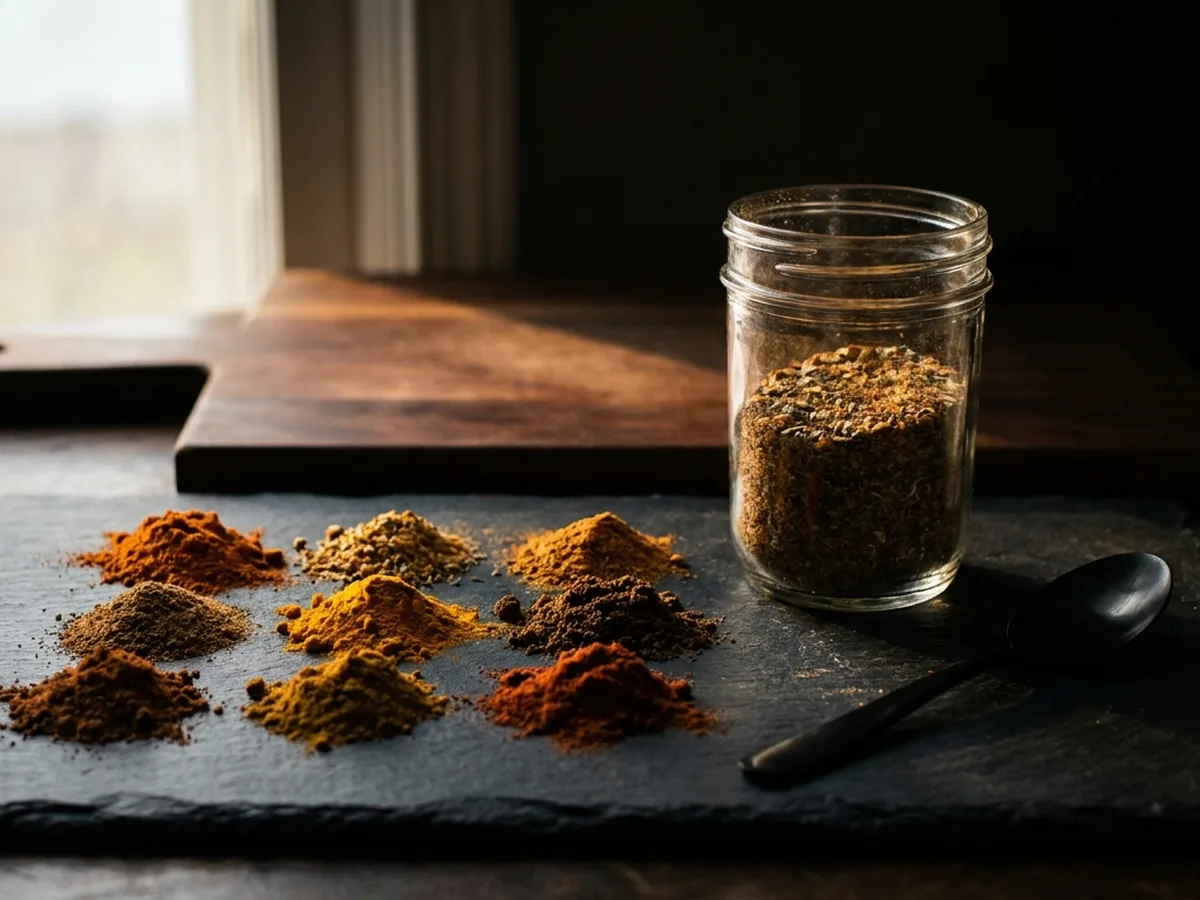
The blend itself, in proportions that actually work, with the two ingredients that carry it and the one nobody wants …
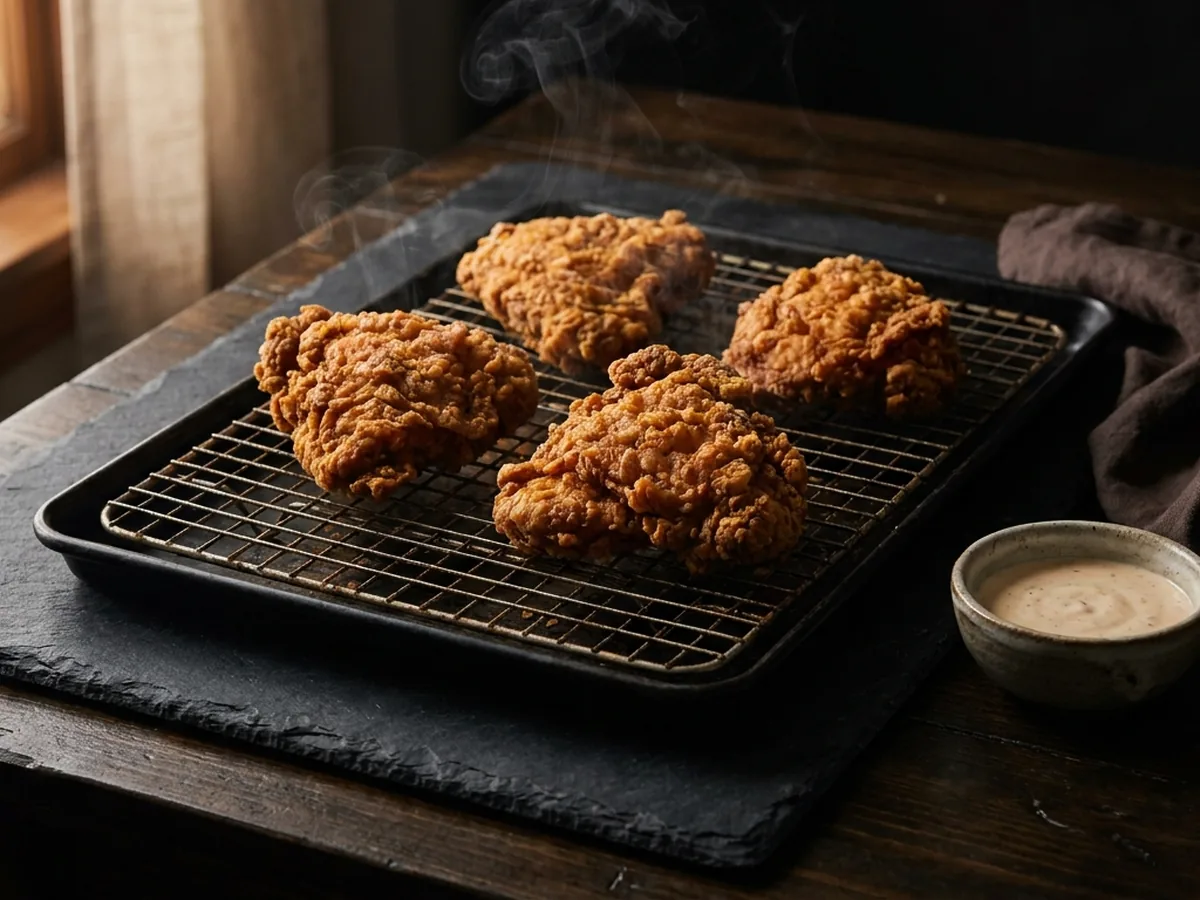
Buttermilk brine, a double dredge with a rest, and controlled shallow frying. Honest about the one thing a home kitch…
Ranked by the gap between what a batch costs to make and what the same thing costs to buy. These are the five biggest on the site right now, computed from the cost tables rather than chosen.
| Recipe | Chain | Made at home | Bought | You keep |
|---|---|---|---|---|
| Cinnabon Classic Roll Copycat Recipe | Cinnabon | $3.20 | $40.41 | $37.21 |
| Five Guys Burger Copycat Recipe | Five Guys | $5.40 | $35.96 | $30.56 |
| Chili's Molten Chocolate Cake Copycat Recipe | Chili's | $1.90 | $27.96 | $26.06 |
| Wendy's Chili Copycat Recipe | Wendy's | $6.40 | $31.92 | $25.52 |
| Pizza Hut Pan Pizza Copycat Recipe | Pizza Hut | $3.20 | $27.98 | $24.78 |
The highest-leverage things on this site. A sauce carries most of what makes a chain item recognisable, and none of them need anything more than a bowl.
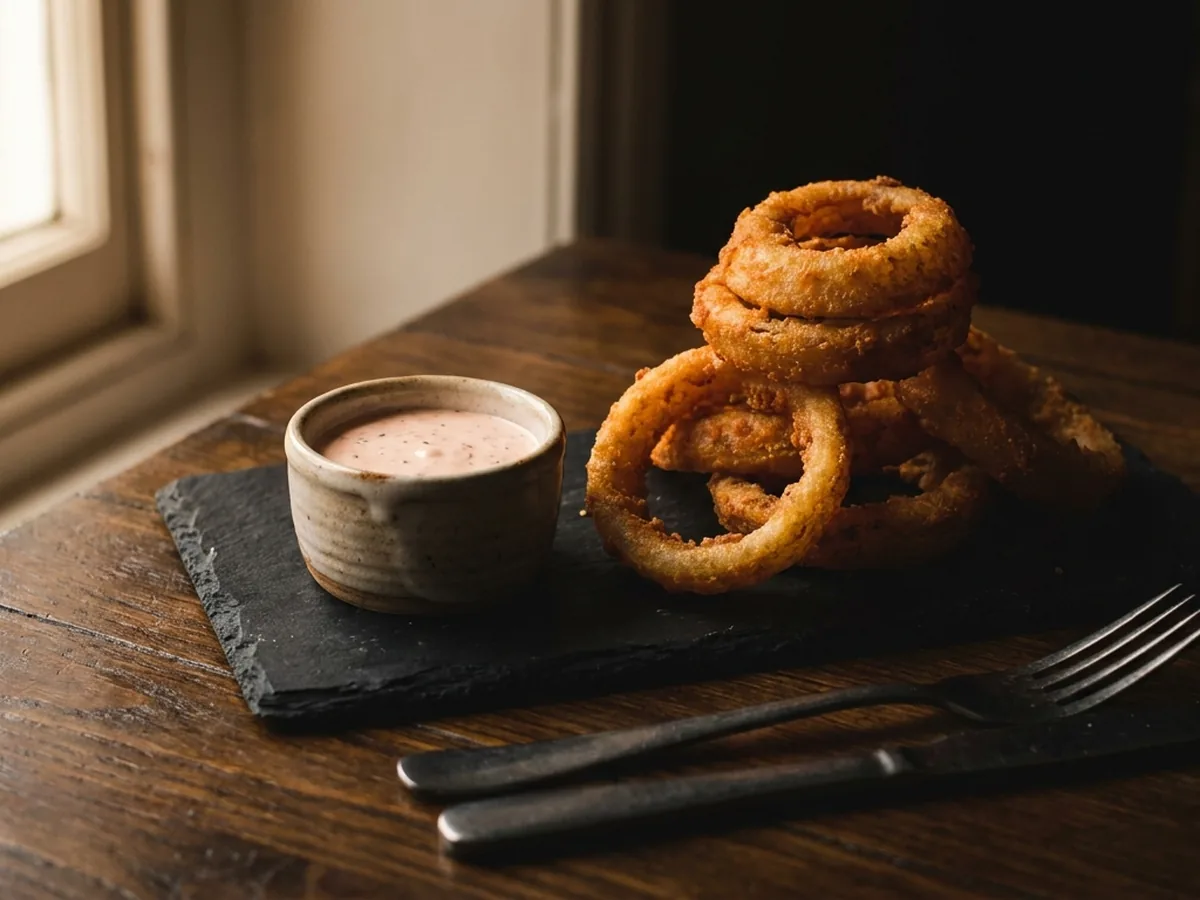
The onion ring dip. Horseradish, ketchup and mayonnaise, with a kick that arrives late. Five minutes and an hour in t…
The most argued-about burger sauce in the world. Five minutes, and the mustard choice is what separates it from every…
Buttermilk, mayonnaise and a proper quantity of dill, thicker than any bottled ranch. Five minutes and an overnight rest.
Cheese, chilli and a little seasoned beef, served in a hot skillet so it stays molten. Twelve minutes, one pan.
Honey, hot sauce and adobo, simmered until it clings. Eight minutes and four ingredients that matter.
Pineapple juice, soy, brown sugar and a small amount of bourbon added at the end. Twenty-five minutes, mostly waiting.
Each one has a page for what its food actually tastes of, the last prices we recorded from its menu, and the recipes worth making at home. Most menu items do not have a recipe here and never will - we write a page when there is something worth saying.
 McDonald's
8 recipes
 KFC
8 recipes
 Burger King
3 recipes
 Wendy's
4 recipes
 Taco Bell
7 recipes
 Subway
4 recipes
 Starbucks
6 recipes
 Nando's
6 recipes
 Pizza Hut
2 recipes
 Domino's Pizza
2 recipes
 Five Guys
4 recipes
 Shake Shack
2 recipes
 Wingstop
4 recipes
 Chili's
3 recipes
 TGI Friday's
1 recipe
 Krispy Kreme
1 recipe
 Dunkin'
2 recipes
 Cinnabon
1 recipe
 Auntie Anne's
2 recipes
 Papa John's
2 recipes
 Pizza Express
1 recipe
 Pret A Manger
1 recipe
 Jollibee
2 recipes
 Hardee's
2 recipes
 Outback Steakhouse
2 recipes
 Dairy Queen
1 recipe
 Baskin-Robbins
1 recipe
 Cold Stone Creamery
1 recipe
 Sizzler
1 recipe
 Swensen's
1 recipe
 Costa Coffee
1 recipe
 CoCo Ichibanya
1 recipe
 The Pizza Company
1 recipe
 Black Canyon Coffee
1 recipe
 Coffee World
1 recipe
We re-read every menu we hold once a month and keep the reading, so a price on this site can be compared with the one before it rather than replaced by it. That record is the price tracker - 33 chains and counting.
Ten topic hubs on the things underneath the recipes - Why a smashed patty browns the way it does, why pan pizza is a frying recipe, and what a delivery app really adds to your bill.
The method behind every recipe on this site - reading an ingredient list, identifying the process, and knowing which gaps a home kitchen can close.
Honest arithmetic on delivery fees, service charges and per-portion costs across the UK, US and Australia - and where home cooking wins by the widest margin.
Why a handful of sauces define an entire chain, how emulsions hold and break, and the store-cupboard blends worth keeping in a jar.
Fat ratios, the smash window, flat-top versus flame, bun choice, and the assembly order that stops a burger falling apart.
Brining, the double dredge, oil temperature management, the pressure-fryer question, and honest oven and air-fryer routes.
Hydration, enrichment, cold fermentation, alkaline baths and the specific tricks behind each chain's signature bake.
How chains price a menu, why the same burger costs three different amounts in three countries, and how to find the genuinely good value on a board.
Syrups and sauces, cold foam, iced coffee that is not watery, and which drinks genuinely need an espresso machine.
Where the calories, salt and sugar actually sit on a chain menu, and what genuinely changes when the same dish is made at home.
What to buy, what not to bother with, which oils to fry in, and how to deep-fry safely in a domestic kitchen.
Hand-picked groups rather than filtered lists - A full takeaway night for four, the fifteen-minute shortlist, the things worth batching on a Sunday.
Five recipes that between them teach every technique on this site, cost under £8 in total and take under two hours of actual work.
Nine cold sauces that need no cooking at all. Most take under ten minutes of work and cost about a pound a jar.
Burgers, chips, wings and a dip, plus something frozen for pudding. About £11 for four against roughly £55 delivered.
Five recipes that freeze properly, cooked in one session, that fill a freezer drawer with about twenty meals for under £25.
Two syrups, a sauce and four drinks. The kit costs about £40 and pays for itself in twelve days.
A full fried chicken dinner for four - chicken, gravy, mash and slaw - for about £9 against £34 at the counter.
In the UK, the US and Australia the same order costs meaningfully more than it did three years ago, and the delivery apps have quietly added a mark-up, a delivery fee and a service charge on top of it. None of that changed how the food is made. A Big Mac sauce is still eight minutes and a bowl; a peri-peri marinade is still a blender and a lemon.
So this is a reference for making it yourself: complete methods, explicit calculations, and honest limits where a home kitchen cannot match a commercial process.