Nando's
Nando's Peri-Peri Chicken Copycat Recipe
A whole chicken opened flat, a day in the marinade, and a baste that only goes on in the last five minutes because it…
 food.fast
Takeaway taste, kitchen prices
Peri-Peri Sauce: a Whole Lemon, Skin and All
One sauce that marinates the chicken, bastes it on the grill and goes on the table.
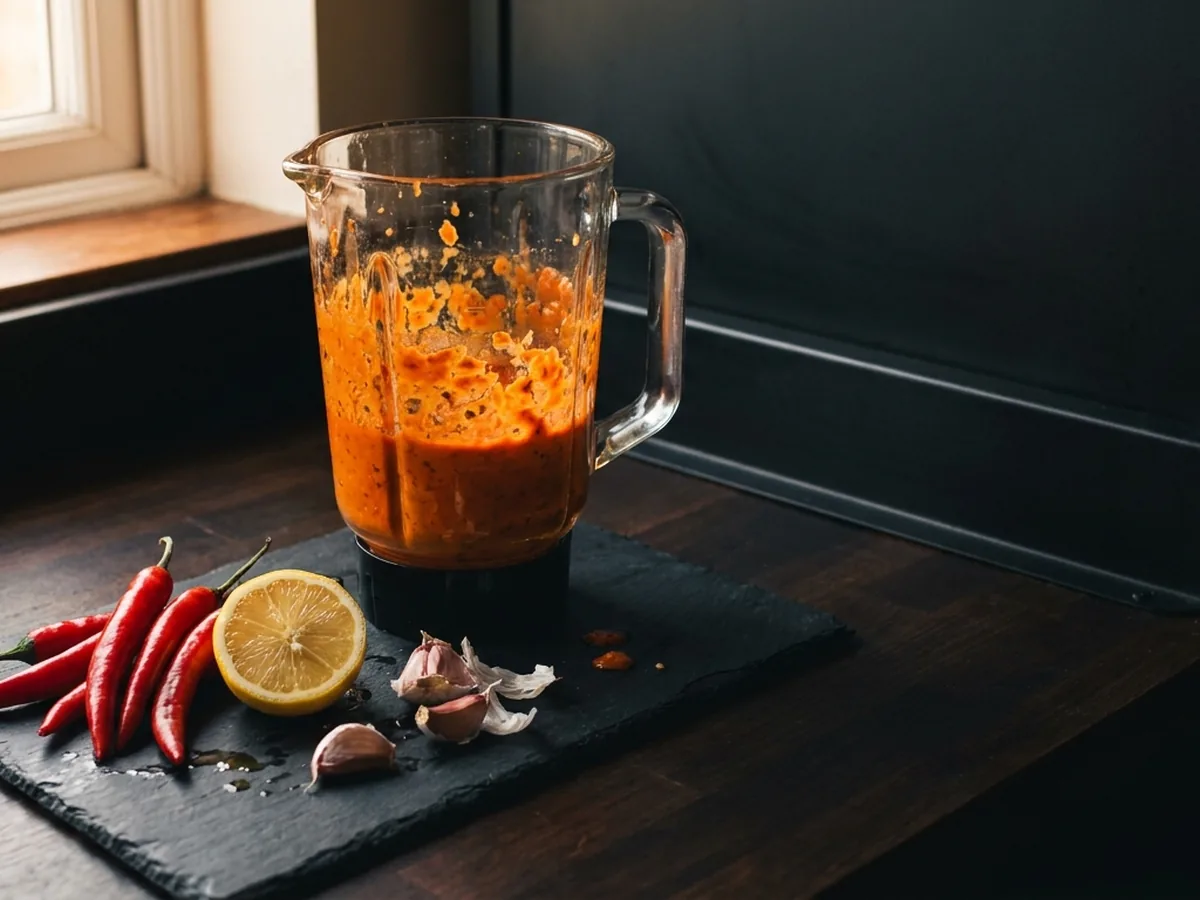
AI-generated illustration created for food.fast. It is not photographic evidence of a prepared batch.
Peri-peri is a Portuguese-Mozambican sauce built on the African bird's eye chilli, and the first thing to understand about it is that the chilli is not the lead. Lemon is. Acid, then garlic, then paprika, then heat - in that order of prominence.
Nearly every home version gets this backwards and produces something that is essentially a hot sauce with lemon in it. The giveaway is that you taste the burn first. In a good peri-peri the burn arrives third, behind a sharp citrus hit and a lot of garlic, and it builds rather than announcing itself.
The technique that gets you there is using a whole lemon - peel, pith, flesh, everything - simmered soft and then blended. The oils in the zest and the slight bitterness of the pith are both part of the flavour, and juice alone gives you sourness without any of the depth.
The method gives quantities, timings and observable cues rather than asking you to guess. The 5 cases in If it goes wrong explain likely causes and corrective action.
See the recipe verification standard · See how the cost is calculated
Quarter a whole unwaxed lemon and simmer it in water for ten minutes until the peel is soft enough to crush against the side of the pan. Then blend all of it - skin, pith and flesh.
The peel carries limonene and other citrus oils that are not in the juice at all, and they are what give peri-peri its perfumed, almost floral top note. The pith carries a faint bitterness that sounds undesirable and is doing the same job as the bitter element in an aperitif - it stops the sauce being simply sour and gives it somewhere to go on the finish.
Raw whole lemon, blended, is genuinely unpleasant - aggressively bitter and harsh. Ten minutes of simmering converts that. It is the difference between a sauce with depth and a sauce that tastes like lemon juice with chilli in it.
Use an unwaxed lemon, or scrub a waxed one hard under hot water first.
Piri piri is a small, fiercely hot chilli grown in southern Africa, and if you can get them - African and Portuguese grocers, some online spice merchants - they give the most authentic result: hot, fruity and slightly smoky.
Thai bird's eye chillies are a very good substitute and are in most supermarkets. Comparable heat, slightly less fruity, marginally sharper. The recipes here are written so they work with either, and this is one of the few substitutions on this site that we would describe as close to equivalent rather than as a compromise.
What does not work is a generic "red chilli" from a supermarket, which is usually a cayenne-type at a fraction of the heat and with a duller flavour. If that is all you have, double the quantity and add a quarter teaspoon of cayenne powder.
The roasted red pepper is not optional. It contributes almost no heat and a great deal of body, sweetness and colour. Without it the sauce is thin, harsh and a strange orange. A jar of roasted peppers is the easiest route; one fresh pepper blackened under a grill and peeled is better.
This recipe makes a base. What you do with it afterwards decides which of the three jobs it does:
Marinade - the base as written, thinned with two extra tablespoons of oil and the juice of half a lemon. Thin enough to penetrate. The chicken sits in this for at least four hours.
Baste - the base reduced in a pan for five minutes with a tablespoon of honey or brown sugar beaten in. Thicker, stickier, and the sugar is what gives the charred edges on the grill. Brush it on in the last few minutes only or it burns.
Table sauce - the base as written, with an extra tablespoon of vinegar and a pinch of salt, kept in a bottle in the fridge.
Making the base once and splitting it three ways is the efficient approach and it is how the restaurant works.
Quarters into a small pan, covered with water, ten minutes at a simmer with the bay leaves. The peel should crush easily against the side of the pan. Drain, keeping 3 tablespoons of the cooking water. Discard the bay and any pips.
Lemon, chillies, peppers, garlic, oil, vinegar, all the dry seasoning and the reserved lemon water. Ninety seconds, not thirty - chilli skins and lemon peel take real time to break down.
About 2 minThe heat will roughly double overnight as the capsaicin distributes into the oil. Judge the lemon and the salt now and the chilli tomorrow.
About 1 minTwelve hours minimum. This sauce changes more in its first day than almost anything else on this site - the garlic mellows, the heat comes forward, and the whole thing rounds out.
About 12 hrThe chain runs Lemon and Herb, Medium, Hot and Extra Hot, and the difference is chilli quantity against a fixed base. Working from this recipe:
| Level | Chillies | Deseeded | Notes |
|---|---|---|---|
| Lemon and herb | 2 | both | Barely warm. Raise the lemon and oregano instead |
| Mild | 5 | all | A gentle background heat |
| Medium | 8 | half | Where most people land |
| Hot | 12 | half | This recipe as written |
| Extra hot | 18 | none | Plus ½ tsp cayenne |
Deseeding matters more than people think. The seeds themselves carry little capsaicin; the white pith they are attached to carries most of it in the whole chilli. Removing both takes roughly half the heat out while leaving the flavour largely intact.
Capsaicin is fat-soluble and barely water-soluble. Fresh out of the blender, it is still largely locked in fragments of chilli tissue, so the sauce tastes sharply hot in some mouthfuls and mild in others.
Over twelve hours in a jar, the capsaicin migrates into the olive oil and distributes evenly through the whole sauce. The result is noticeably hotter overall and much more even - the heat becomes a property of the sauce rather than a lottery.
Raw garlic changes over the same period too, losing its harsh sulphurous edge as the allicin breaks down in acid.
A peri-peri sauce eaten straight from the blender is a different and worse sauce. This is the one recipe on this site where we would say the rest is genuinely non-negotiable.
| Component | Amount | Cost |
|---|---|---|
| Bird's eye chillies | 12 | £0.85 |
| Roasted red peppers | 150 g jar share | £0.72 |
| Lemon and garlic | 1 + 8 cloves | £0.48 |
| Olive oil, vinegar, spices | - | £0.55 |
| 480 ml at home | £2.60 | |
| 2 × 250 ml retail bottles | £5.00 |
Two deseeded chillies, double the oregano, add a tablespoon of fresh thyme and the zest of a second lemon. A completely different and very good sauce.
Eighteen chillies with seeds, plus half a teaspoon of cayenne. Handle with gloves and do not blend it in a small kitchen with the window shut.
Blend in half a ripe mango. Sweeter, thicker, excellent on wings, and it keeps for half as long.
Each entry names a likely cause as well as a correction, so the advice remains useful when equipment, ingredients or batch size differ.
The recipes that go with this one, or that use what you have just made.
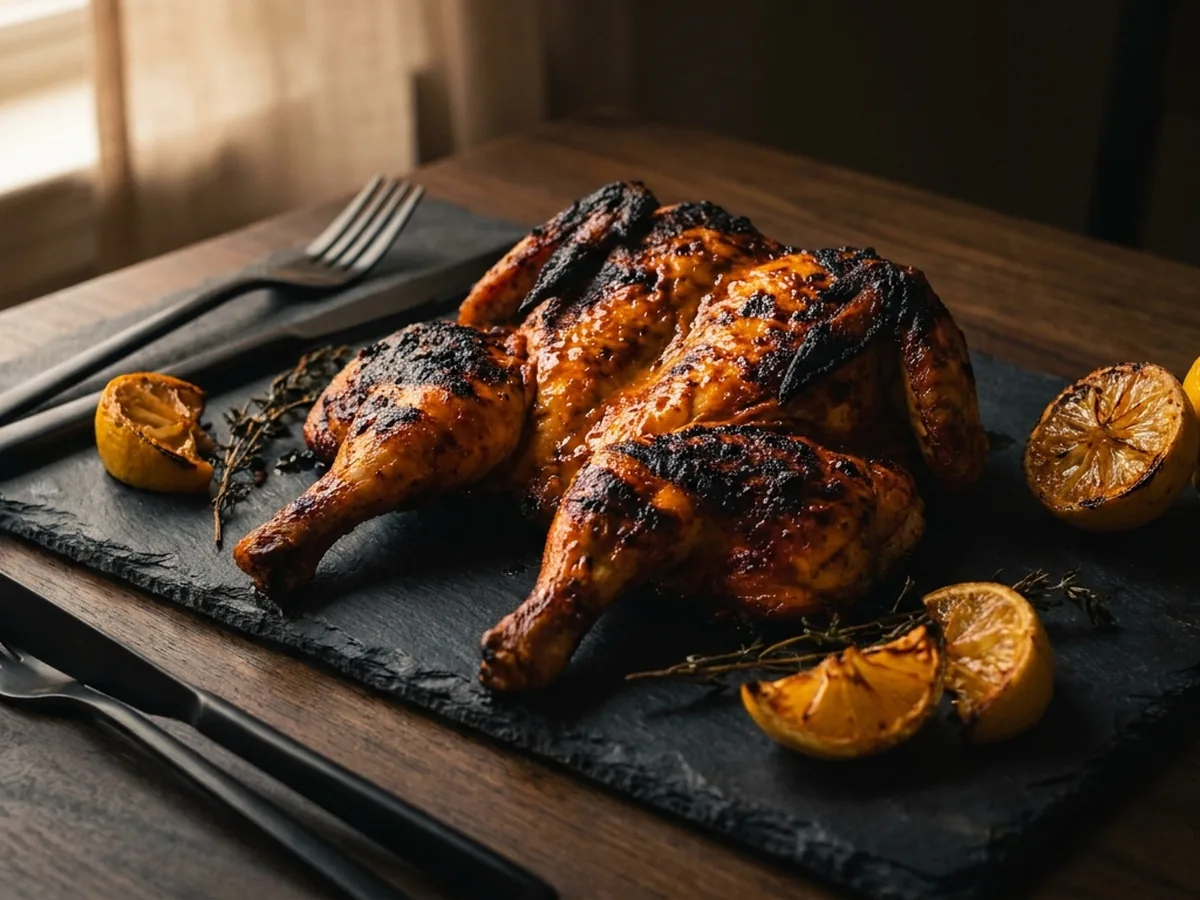
A whole chicken opened flat, a day in the marinade, and a baste that only goes on in the last five minutes because it…
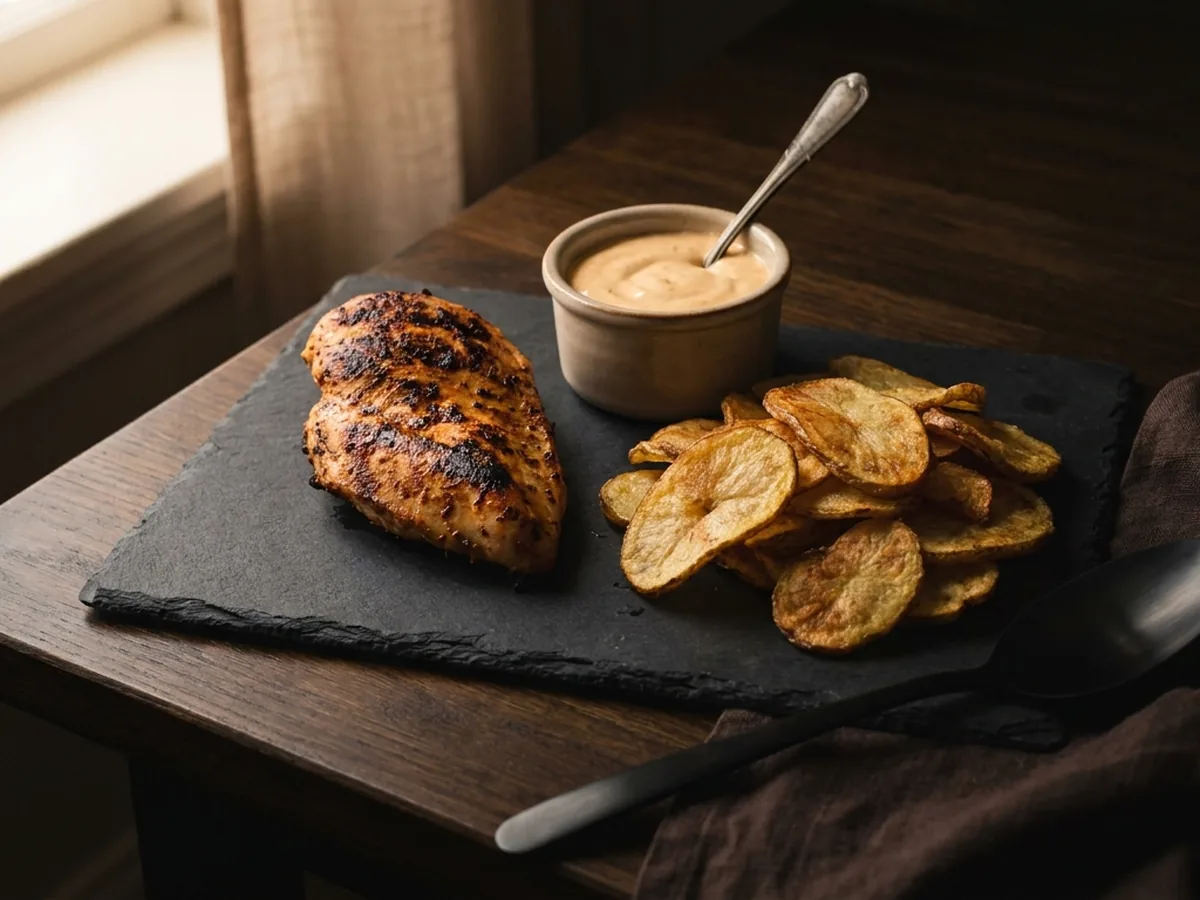
Peri-peri sauce folded into mayonnaise. The ratio is the entire recipe and most people get it wrong in the same direction.
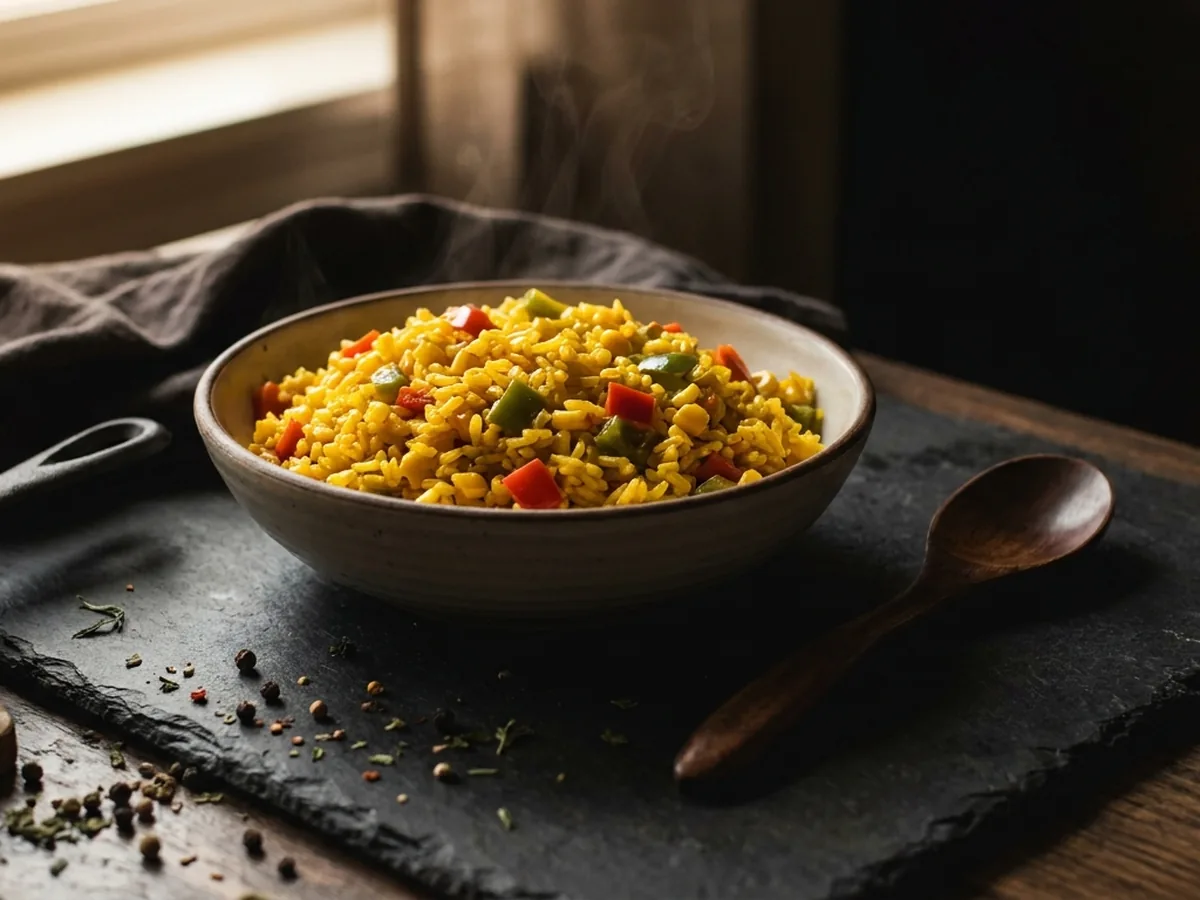
Yellow, studded with peppers, and barely hot. Twenty-five minutes and about thirty pence a portion.
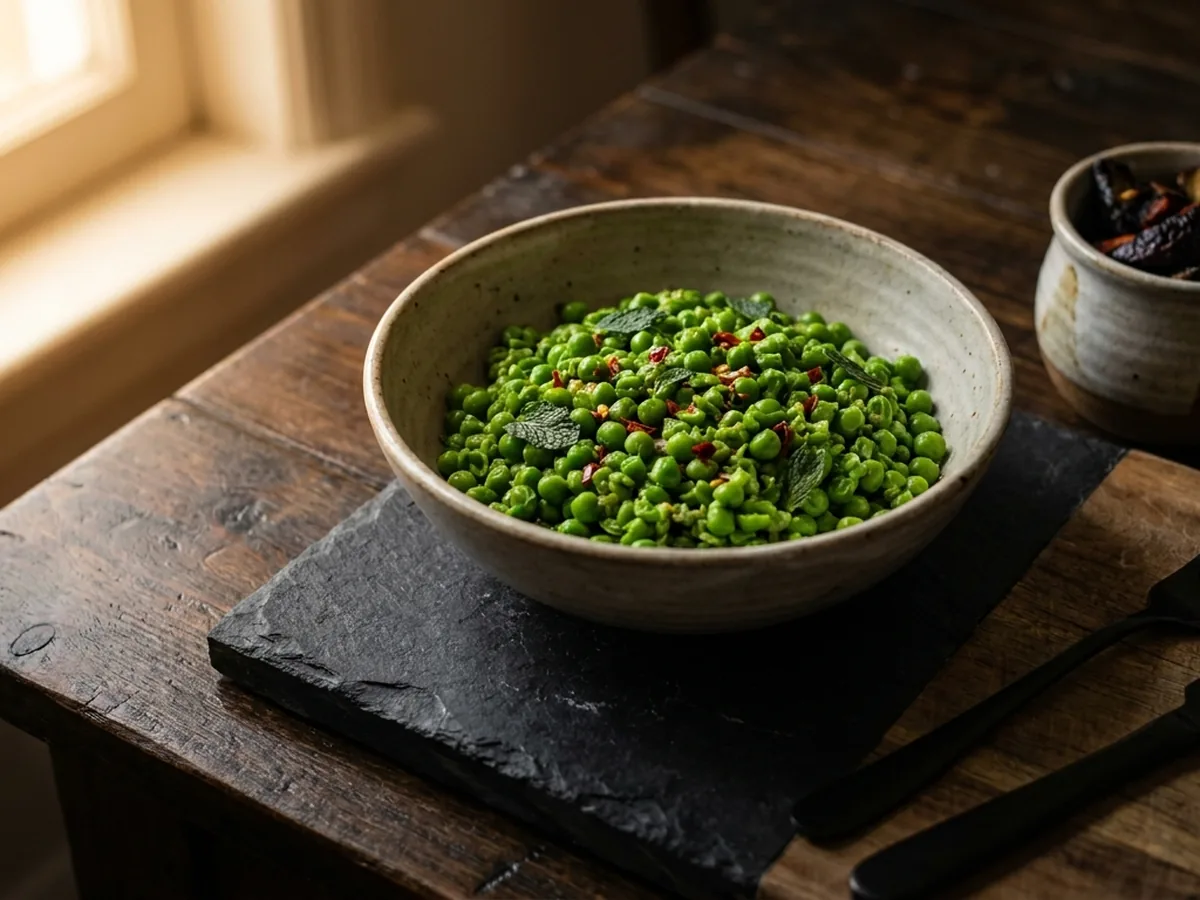
Crushed rather than mashed, with fresh mint and a lot of chilli. The cheapest side on this site and one of the best.