Nando's
Nando's Peri-Peri Chicken Copycat Recipe
A whole chicken opened flat, a day in the marinade, and a baste that only goes on in the last five minutes because it…
 food.fast
Takeaway taste, kitchen prices
Spicy Rice: Turmeric for Colour, Peppers for Everything Else
The yellow rice, without the claggy texture home versions usually have.
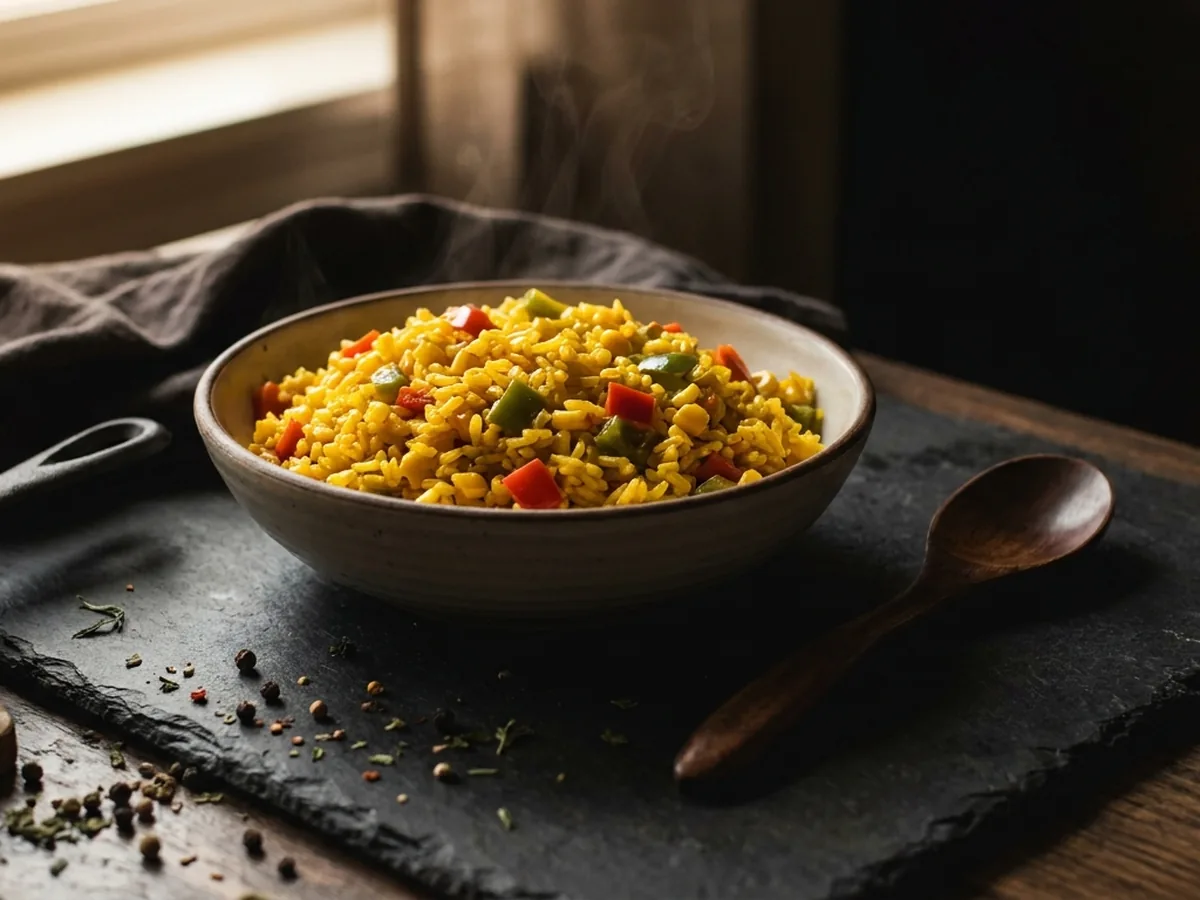
AI-generated illustration created for food.fast. It is not photographic evidence of a prepared batch.
This is the cheapest thing on the Nando's menu to make at home and the difference is comical: about thirty pence a portion against £3.20 in the restaurant.
Two things define it. The colour is turmeric, not saffron and not paprika - turmeric gives that specific flat, bright yellow and almost no flavour at the quantity used. And the texture is separate grains, which means the rice is fried before the liquid goes in and then left strictly alone.
It is also barely spicy, which surprises people. The heat is a background note behind sweet peppers and onion. It is a side dish designed to sit next to hot chicken, not to compete with it.
The method gives quantities, timings and observable cues rather than asking you to guess. The 5 cases in If it goes wrong explain likely causes and corrective action.
See the recipe verification standard · See how the cost is calculated
Rinse until the water runs clear. Long-grain rice carries loose surface starch from milling and from rubbing against itself in the bag. That starch gelatinises in the pan and glues the grains together. Three or four changes of cold water in a sieve, rubbing gently with your fingers, takes it off. This takes ninety seconds and is the difference between separate grains and a sticky mass.
Then fry the drained rice in oil for two minutes before any liquid goes in. This coats each grain in fat, which physically slows water absorption and means the grains hydrate more evenly instead of the outside turning to paste while the centre is still hard. It also toasts the starch slightly, which adds a faint nuttiness.
Together these two steps are most of what separates restaurant rice from home rice, and neither takes long.
When the liquid has been absorbed, the rice is cooked but the moisture is unevenly distributed - wetter at the bottom, drier at the top.
Ten minutes off the heat with the lid still on lets the residual steam even itself out through the pan. The grains at the bottom firm up, the ones at the top finish hydrating, and the whole thing becomes uniform.
Do not lift the lid during those ten minutes, and do not stir until they are up. Stirring hot rice breaks grains and releases starch, which is the other main route to sticky rice.
Then fluff with a fork, not a spoon. A fork separates; a spoon compresses.
Three or four changes of cold water in a sieve, rubbing gently with your fingers. Drain well.
About 3 minOil in the pan, onion and both peppers over a medium heat for six minutes until soft and just starting to colour. Garlic for a final minute.
About 7 minTurmeric, paprika, cumin, oregano and salt into the vegetables, stirred for thirty seconds. Then the drained rice, stirred constantly for two minutes until every grain is coated and glossy.
All the stock at once, plus the peri-peri sauce if using. Let it come to a full boil, stir once, then lid on and the smallest flame your hob will hold.
Lifting the lid lets out the steam that is doing the cooking. Set a timer and leave it.
About 12 minThis is where the moisture evens out. Add the sweetcorn on top at the start of this stage if using - the residual heat warms it through.
About 10 minLift and separate rather than stirring. Taste for salt.
About 1 minRice does not scale linearly and this catches people out at 4X.
The ratio here is 1.5 cups of rice to 2.25 cups of stock - one and a half parts liquid to one part rice. That accounts for evaporation in a pan of this size.
In a much bigger pan, proportionally less liquid evaporates, so a straight multiplication gives you wet rice. At 4X and above, reduce the liquid to 1.35 parts per part of rice.
The other thing that changes is depth. Rice more than about 5 cm deep cooks unevenly whatever you do - the bottom compresses under the weight. For 4X, use two pans or a wide shallow casserole rather than one deep pot.
Cooking time stays at twelve minutes regardless. It is the depth and the liquid that change, not the clock.
| Batch | Rice | Stock | Pan | Portions |
|---|---|---|---|---|
| 1X | 1½ cups / 280 g | 2¼ cups / 540 ml | 20 cm | 6 |
| 2X | 3 cups / 560 g | 4½ cups / 1.07 l | 24 cm | 12 |
| 4X | 6 cups / 1.1 kg | 8 cups / 1.9 l | two pans | 24 |
| 8X | 12 cups / 2.2 kg | 16 cups / 3.8 l | wide roasting tin, oven | 48 |
Two tablespoons of peri-peri sauce and a chopped fresh red chilli with the peppers.
Stir through shredded leftover peri-peri chicken and a handful of coriander at the fluffing stage.
Everything into a covered roasting tin at 180 °C for 30 minutes. This is the right way to do 4X and above.
Each entry names a likely cause as well as a correction, so the advice remains useful when equipment, ingredients or batch size differ.
The recipes that go with this one, or that use what you have just made.
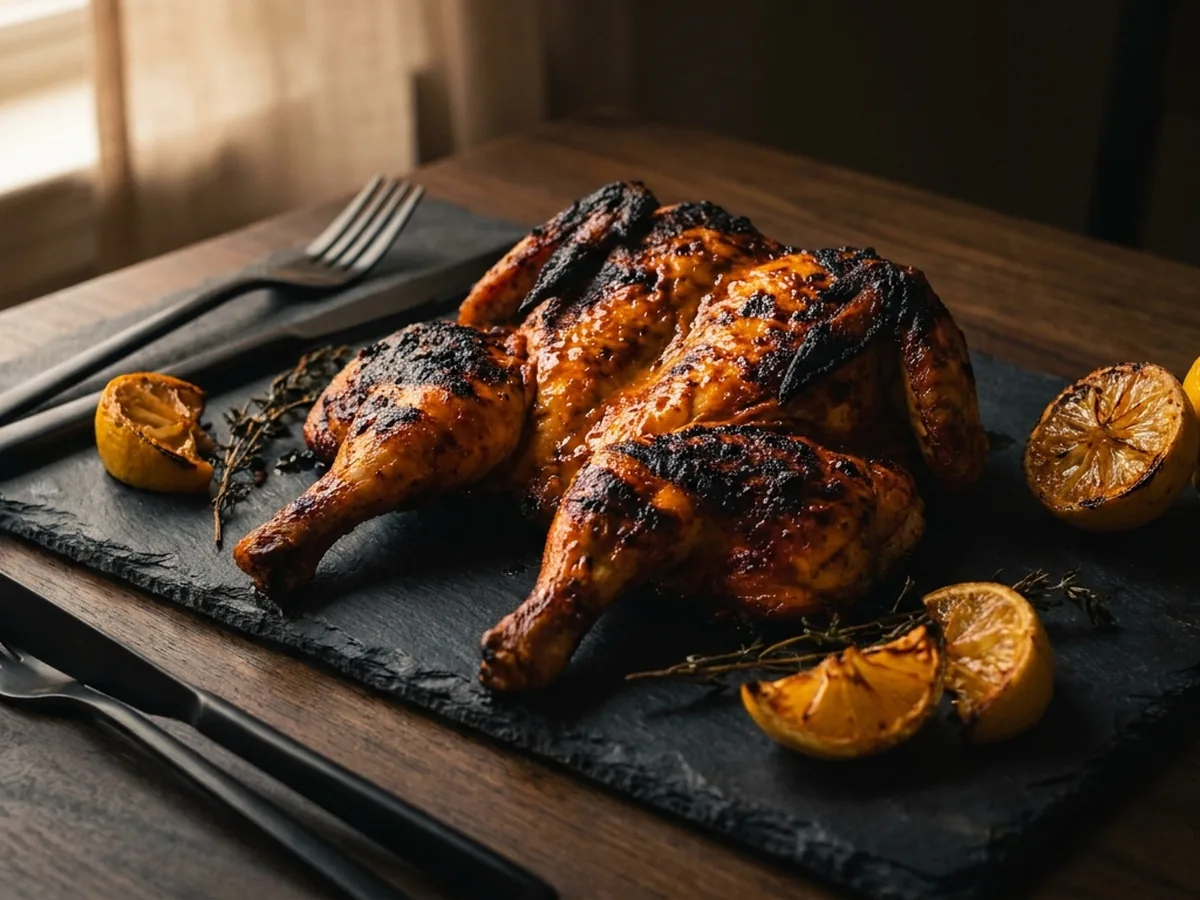
A whole chicken opened flat, a day in the marinade, and a baste that only goes on in the last five minutes because it…
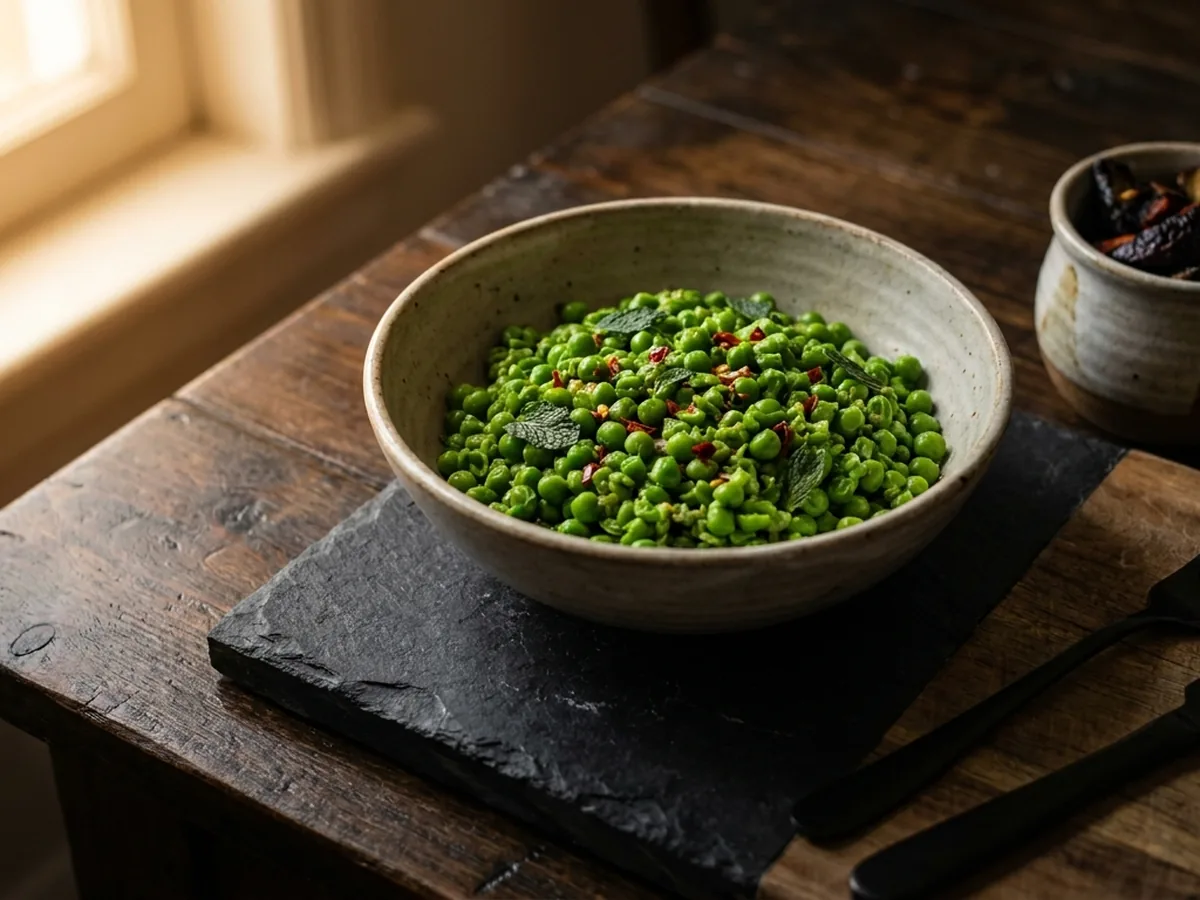
Crushed rather than mashed, with fresh mint and a lot of chilli. The cheapest side on this site and one of the best.
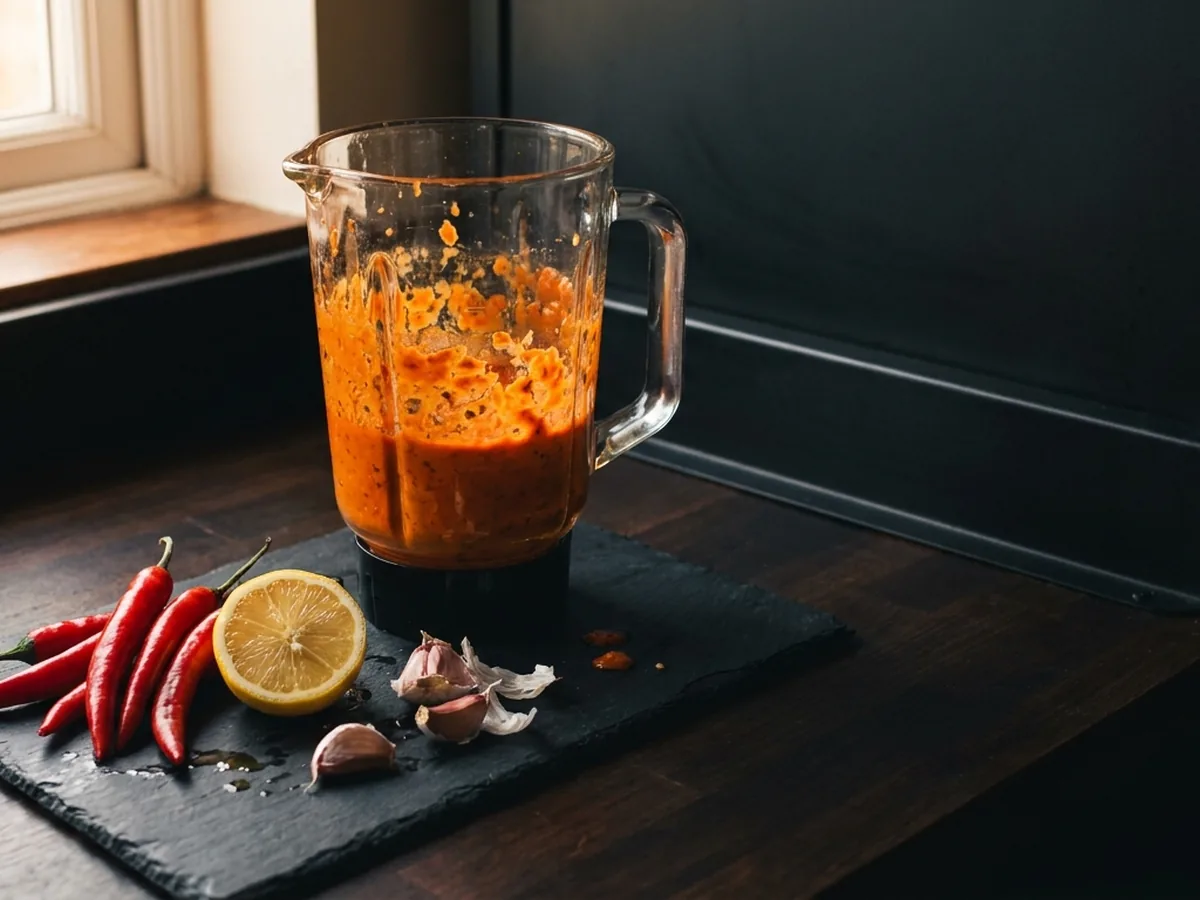
The marinade, the baste and the table sauce, from one blender jug. Lemon-led before it is hot, which is the thing mos…
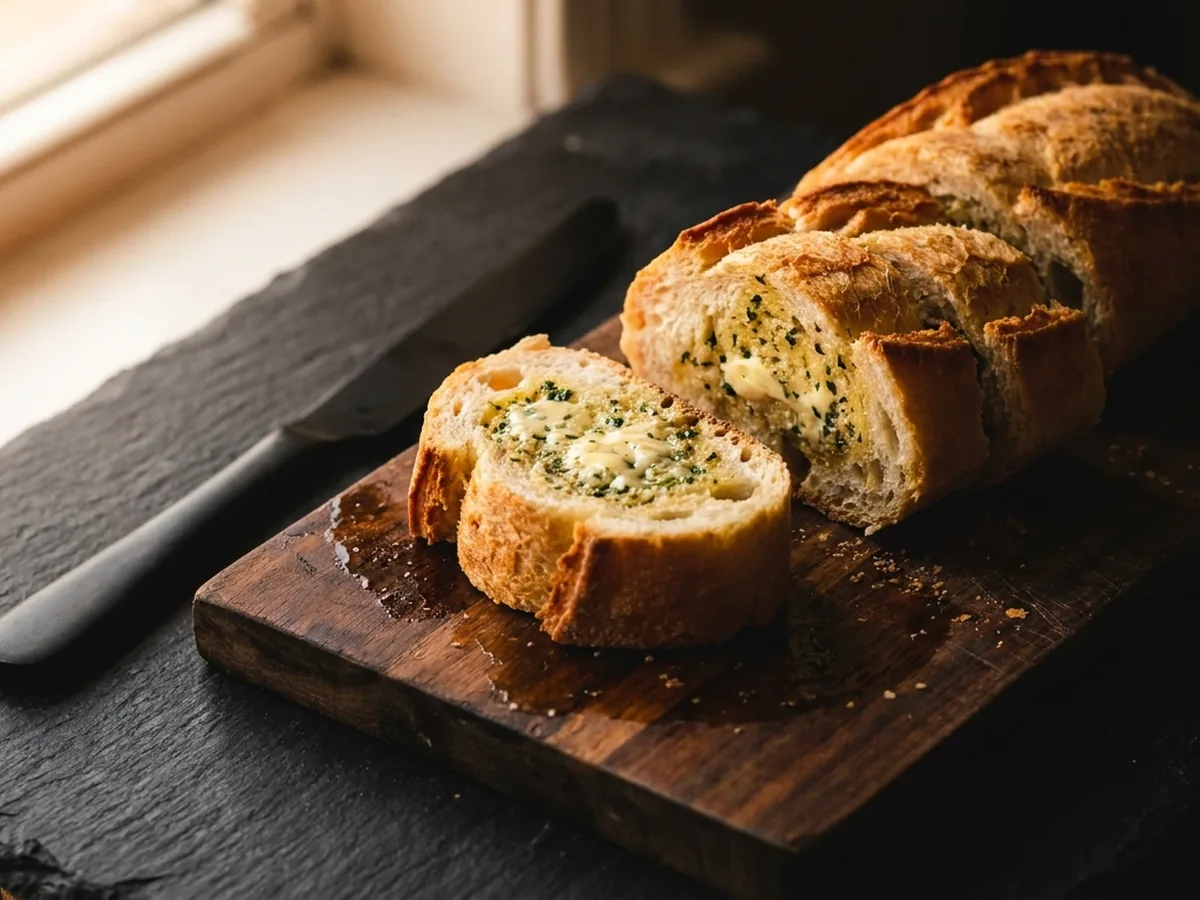
A baguette, a compound butter with peri-peri in it, twelve minutes in the oven. About twenty pence a portion.