CoCo Ichibanya
CoCo Ichibanya Curry Rice Copycat Recipe
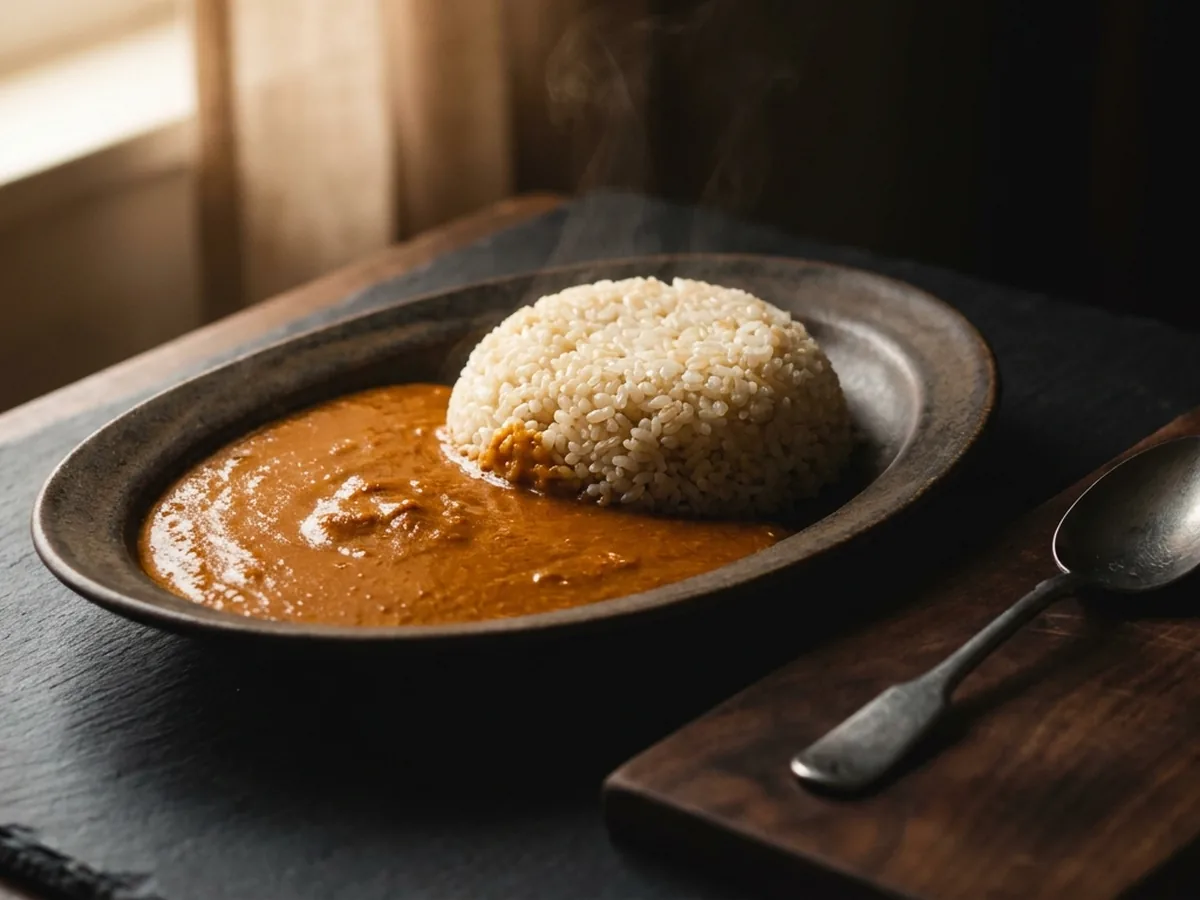
Short grain rice cooked so it holds its shape under sauce - rinsed, rested and plated as a bank rather than a heap.
 food.fast
Takeaway taste, kitchen prices
Teriyaki Is a Glaze Made in the Pan, Not a Sauce From a Bottle
A teriyaki glaze that clings, made in the pan in four minutes.
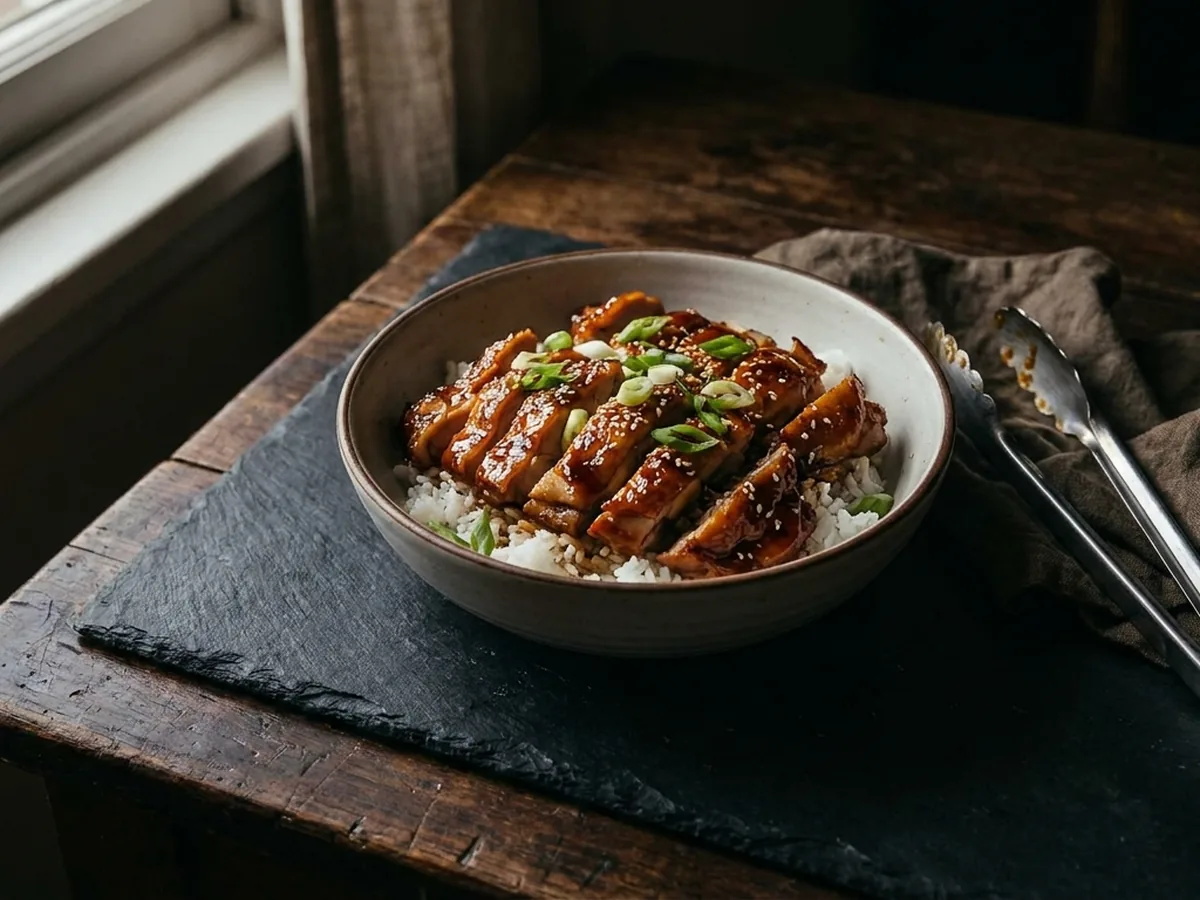
AI-generated illustration created for food.fast. It is not photographic evidence of a prepared batch.
Teriyaki is not a bottled sauce poured over cooked chicken. The word describes a method - teri is the gloss, yaki is the grilling - and the glaze is made by reducing a few liquids in the same pan the meat was cooked in.
Four ingredients: soy sauce, mirin, sake and sugar. That is the classic ratio and it needs nothing else. Bottled versions add thickeners and a great deal more sugar to survive sitting on a shelf.
Because it is made in the pan, it picks up the fond - the browned residue from searing - which is where most of the depth comes from and the single thing a bottle cannot give you.
The method gives quantities, timings and observable cues rather than asking you to guess. The 3 cases in If it goes wrong explain likely causes and corrective action.
See the recipe verification standard · See how the cost is calculated
Equal parts soy sauce, mirin and sake, plus about half a part sugar. For two people: three tablespoons each of the liquids and one and a half of sugar.
Reduce it until it coats the back of a spoon and holds a line when you draw a finger through - about three or four minutes at a fast simmer. It thickens noticeably more as it cools, so stop slightly before it looks right.
No cornflour. The gloss comes from reduced sugar, and a starch-thickened teriyaki has a dull, slightly gluey texture that is immediately recognisable.
Thigh has enough fat to survive being glazed in a hot pan; breast dries out in the time the glaze takes to reduce.
Start skin side down in a dry pan over a medium heat and leave it for six or seven minutes without moving it. The fat renders out and the skin crisps in its own fat, which is why no oil is needed.
Moving it early is the most common mistake. The skin sticks until it has released on its own, and lifting it before that tears it off.
Season lightly and lay them skin side down in a cold dry pan, then bring it up to a medium heat. Starting cold renders more fat out before the skin sets.
About 2 minDo not move them. The skin sticks until it has released on its own, and lifting early tears it off. It is ready when it slides freely and is deep gold.
About 7 minFlip and give them another four or five minutes until the thickest part reaches 74 °C. Lift them out onto a board to rest while you make the glaze.
About 5 minTip out most of the rendered fat, add the soy, mirin, sake and sugar and simmer hard for three or four minutes, scraping the browned residue up, until it coats a spoon.
About 4 minSlice the rested thighs, return them to the pan and turn them over twice so every surface is coated and glossy. It will thicken further as it cools.
About 2 minSpoon the chicken and any remaining glaze over hot rice, then scatter the sesame seeds and sliced spring onion over the top.
About 2 minEach entry names a likely cause as well as a correction, so the advice remains useful when equipment, ingredients or batch size differ.
The recipes that go with this one, or that use what you have just made.
Short grain rice cooked so it holds its shape under sauce - rinsed, rested and plated as a bank rather than a heap.
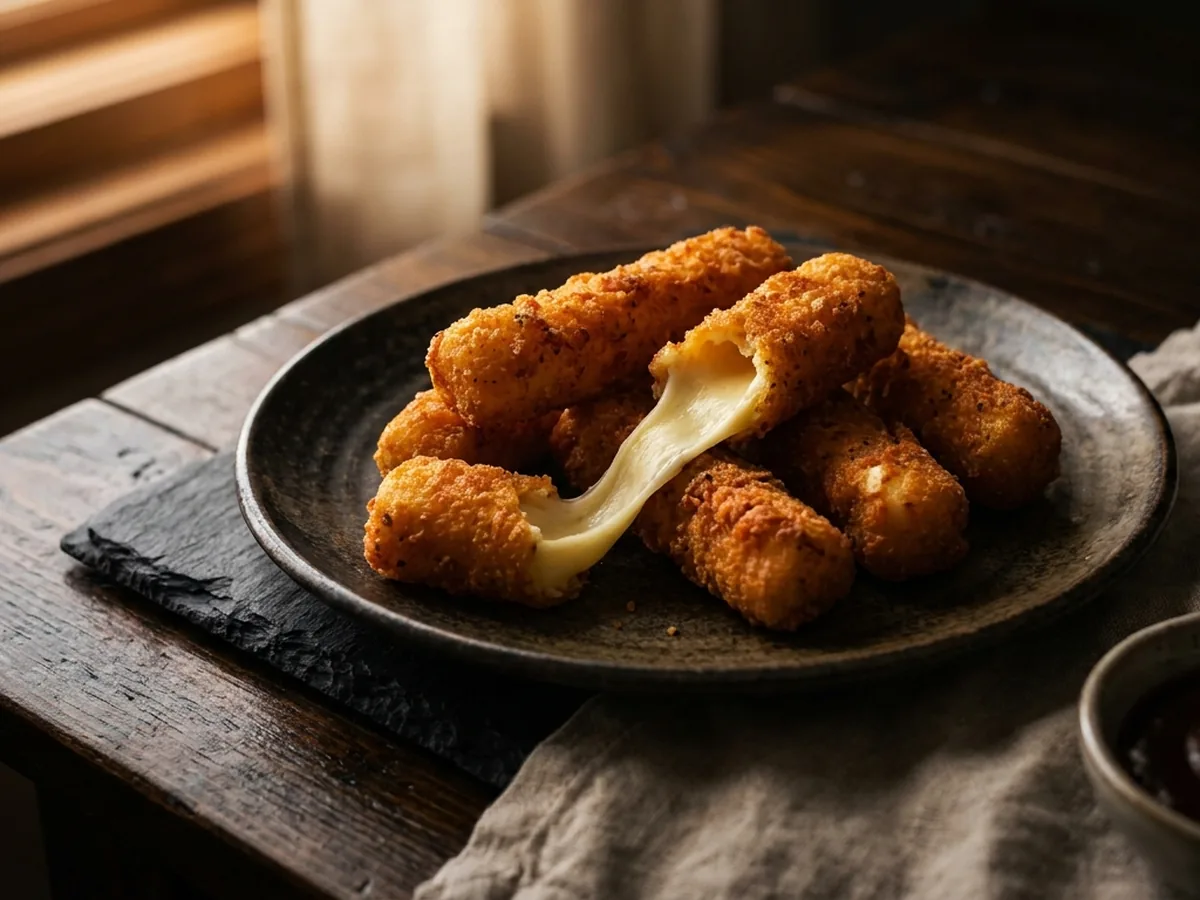
Mozzarella batons double-crumbed and frozen hard before frying, so the crust sets before the cheese melts out.
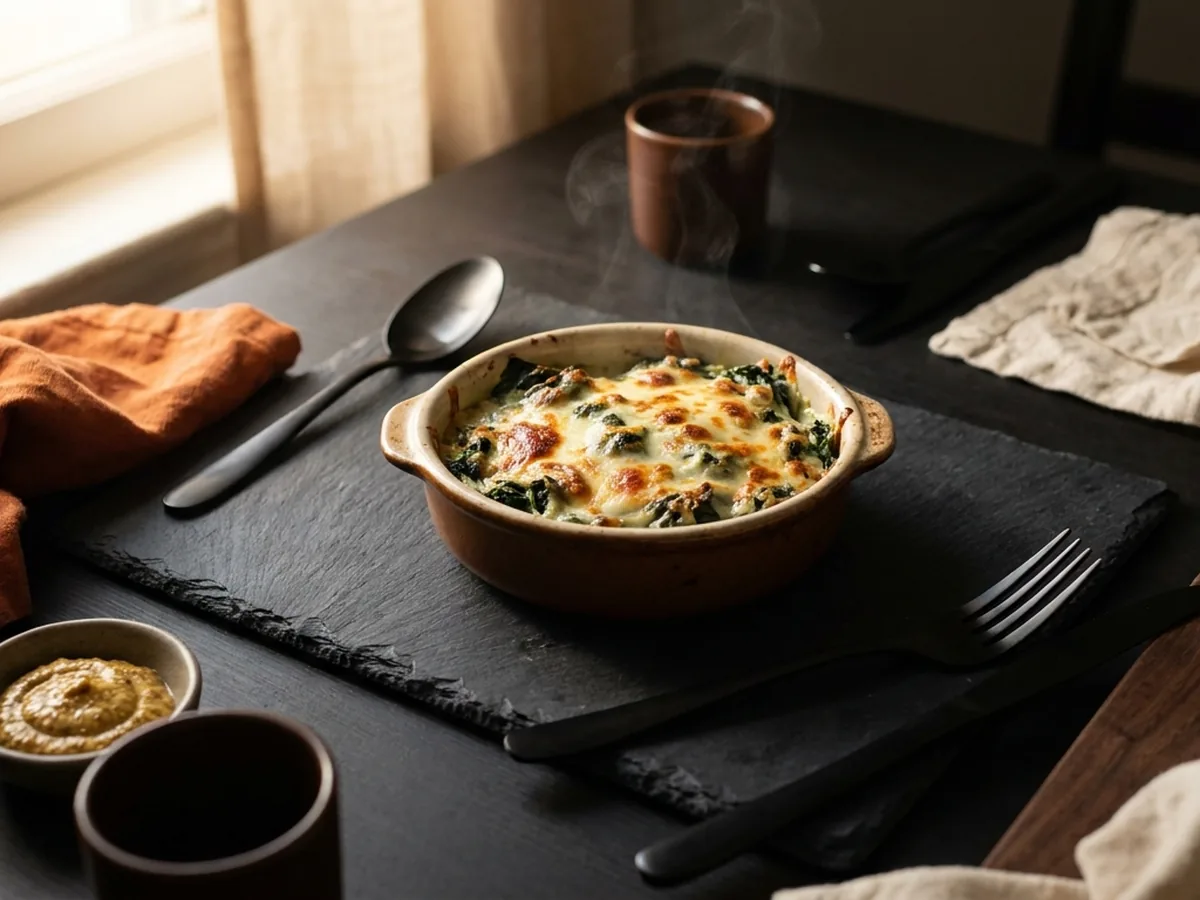
A hot spinach and cheese bake that sets rather than splits, because the spinach is wrung out first.