Five Guys
Five Guys Cajun Seasoning Copycat Recipe
Paprika-heavy, salty, with celery salt underneath. Ninety seconds and a jar that lasts six months.
 food.fast
Takeaway taste, kitchen prices
Lemon Pepper Wings: the Rub Is Butter-Bound, Which Is the Trick
Wings that are glossy and lemony rather than dry and dusty, which is one ingredient away.
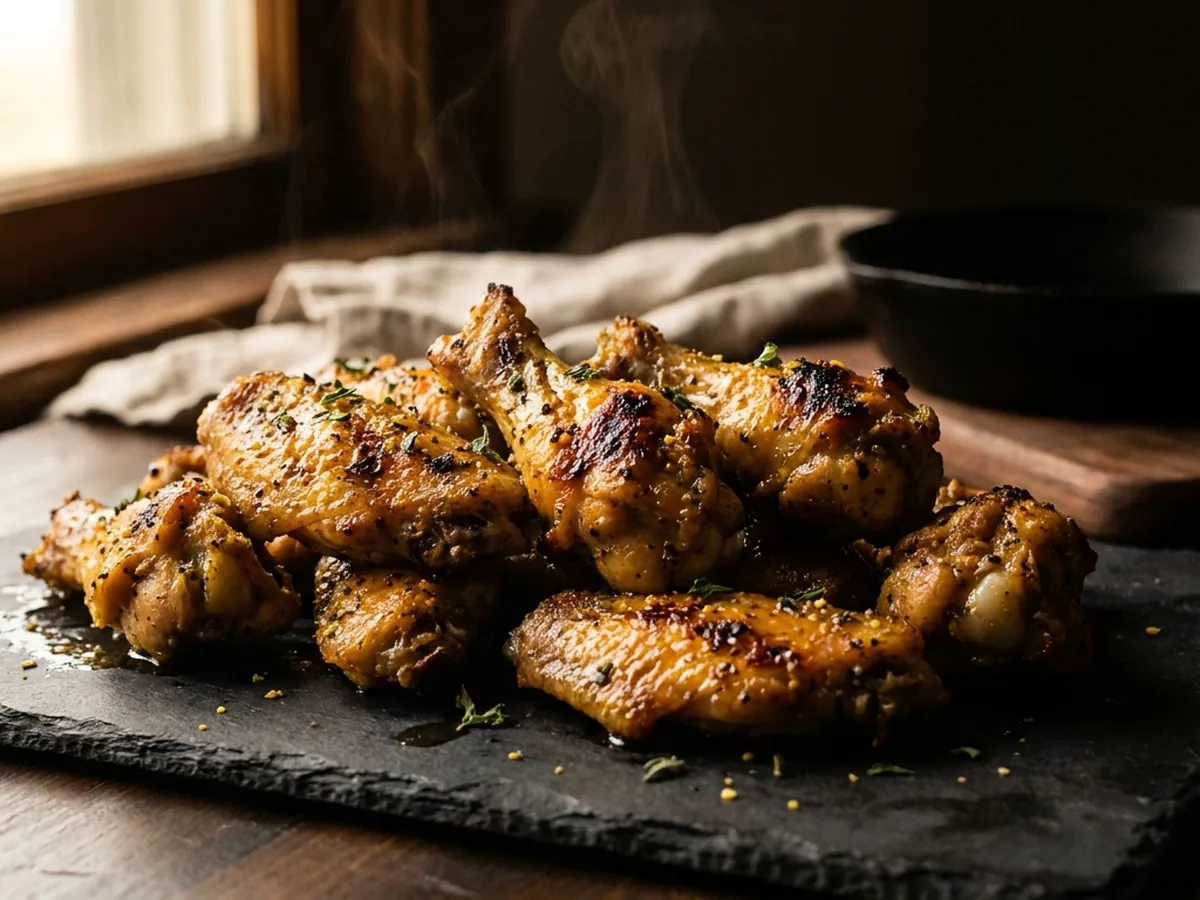
AI-generated illustration created for food.fast. It is not photographic evidence of a prepared batch.
Lemon pepper is the most ordered flavour at Wingstop and the one most often botched at home, for a single reason: people treat it as a dry rub.
It is not. The seasoning is tossed with melted butter so it clings to the wing and turns glossy, and the fat is also carrying the lemon oil - citrus aromatics are fat-soluble, so butter distributes them in a way a dry dusting cannot. Dry-rubbed wings taste dusty and the seasoning falls into the bottom of the bowl.
The other half of the recipe is getting the skin crisp, which is a moisture problem. A night uncovered in the fridge, plus a dusting of baking powder, does more than any batter.
The method gives quantities, timings and observable cues rather than asking you to guess. The 5 cases in If it goes wrong explain likely causes and corrective action.
See the recipe verification standard · See how the cost is calculated
Crisp chicken skin requires two things: the water in it has to leave, and the proteins have to brown. Both are obstructed by moisture.
An overnight air-dry in the fridge, uncovered on a rack, removes a surprising amount of surface water. The fridge is a dehumidifier, and twelve hours visibly changes the skin - it goes from soft and slightly tacky to dry and papery. That alone makes a large difference.
Baking powder - not bicarbonate of soda - does two things. It raises the pH of the skin's surface, and the Maillard reaction runs faster at higher pH, so the skin browns more at a given temperature. And it reacts with moisture to form tiny gas bubbles that create micro-blisters in the skin, increasing surface area.
Use aluminium-free baking powder if you can find it. The aluminium salts in ordinary baking powder can leave a faint metallic taste at this quantity.
Half a teaspoon per 500 g of wings, tossed in with a teaspoon of salt. More than that and you can taste it.
Shop-bought lemon pepper is mostly pepper, salt and citric acid, with a small amount of dried lemon peel. It tastes sour rather than lemony, because citric acid is the sourness of a lemon without any of the perfume.
The perfume is in the oil in the zest, and it degrades quickly. A home blend made with fresh zest, dried gently, is dramatically better than anything in a jar - this is one of the clearest cases on this site where the home version wins outright.
To dry zest: zest two lemons with a microplane onto a lined tray, and put it in the oven at its lowest setting - 50 to 70 °C - for about an hour, or leave it on a sunny windowsill for a day. It should be dry and crumbly. Then blitz or crush it with the pepper.
If you are in a hurry, use the zest fresh and accept that the blend will only keep three days rather than three months.
Dry them properly with kitchen paper first. Then toss in a bowl until every piece is evenly coated - it should look like a very light dusting, not a coating.
About 8 minTwelve hours minimum. The skin should go from tacky to dry and papery. This is the biggest single factor in how crisp they get.
About 12 hrZest two lemons onto a lined tray, into the oven at its lowest setting for an hour, or leave it out overnight.
About 1 hrTurn once at 25 minutes. They should be deep golden and the skin should be visibly tight and blistered. Internal temperature 74 °C minimum, and wings are better taken to 80 - the extra renders more fat out of the skin.
Crush the dried zest with the pepper - a pestle and mortar or a few pulses in a grinder - then stir in everything else.
About 3 minThen the hot wings straight from the oven, and toss until every piece is glossy.
About 1 minHalf the blend, toss, the other half, toss again. Two goes gets a far more even coating than one.
Oven, 220 °C fan, 45 minutes. What the recipe above uses. Reliable, hands off, cooks a whole kilo at once. Crisp but not shatteringly so.
Air fryer, 200 °C, 22 to 26 minutes, turned twice. The best non-fried result by a clear margin - genuinely close to deep fried. Limited to about 500 g at a time, and crowding ruins it entirely.
Deep fried, 180 °C, 9 to 11 minutes. The original method and the crispest result. Two litres of oil for a kilo of wings, in batches of six. Worth it for a party; not worth it on a Tuesday.
All three want the overnight dry and the baking powder. That preparation is what separates a good wing from a soggy one, whichever heat source finishes it.
| Flavour | What goes in the bowl |
|---|---|
| Lemon pepper | Melted butter + lemon pepper blend - this recipe |
| Louisiana rub | Butter + paprika, cayenne, garlic, oregano, salt |
| Garlic parmesan | Butter + grated parmesan, garlic powder, parsley |
| Mild buffalo | Equal butter and Frank's hot sauce |
| Original hot | 2 parts Frank's to 1 part butter, plus cayenne |
| Mango habanero | Mango jam, habanero sauce, butter, lime |
| Hickory BBQ | Barbecue sauce warmed with a teaspoon of honey |
Swap the blend for the Cajun seasoning on this site. Same butter toss.
Butter, 40 g grated parmesan, 2 tsp garlic powder, a tablespoon of chopped parsley. Toss while very hot so the parmesan melts.
Cauliflower florets tossed in oil and cornflour, roasted at 220 °C for 30 minutes, then the same butter toss. Genuinely good.
Each entry names a likely cause as well as a correction, so the advice remains useful when equipment, ingredients or batch size differ.
The recipes that go with this one, or that use what you have just made.
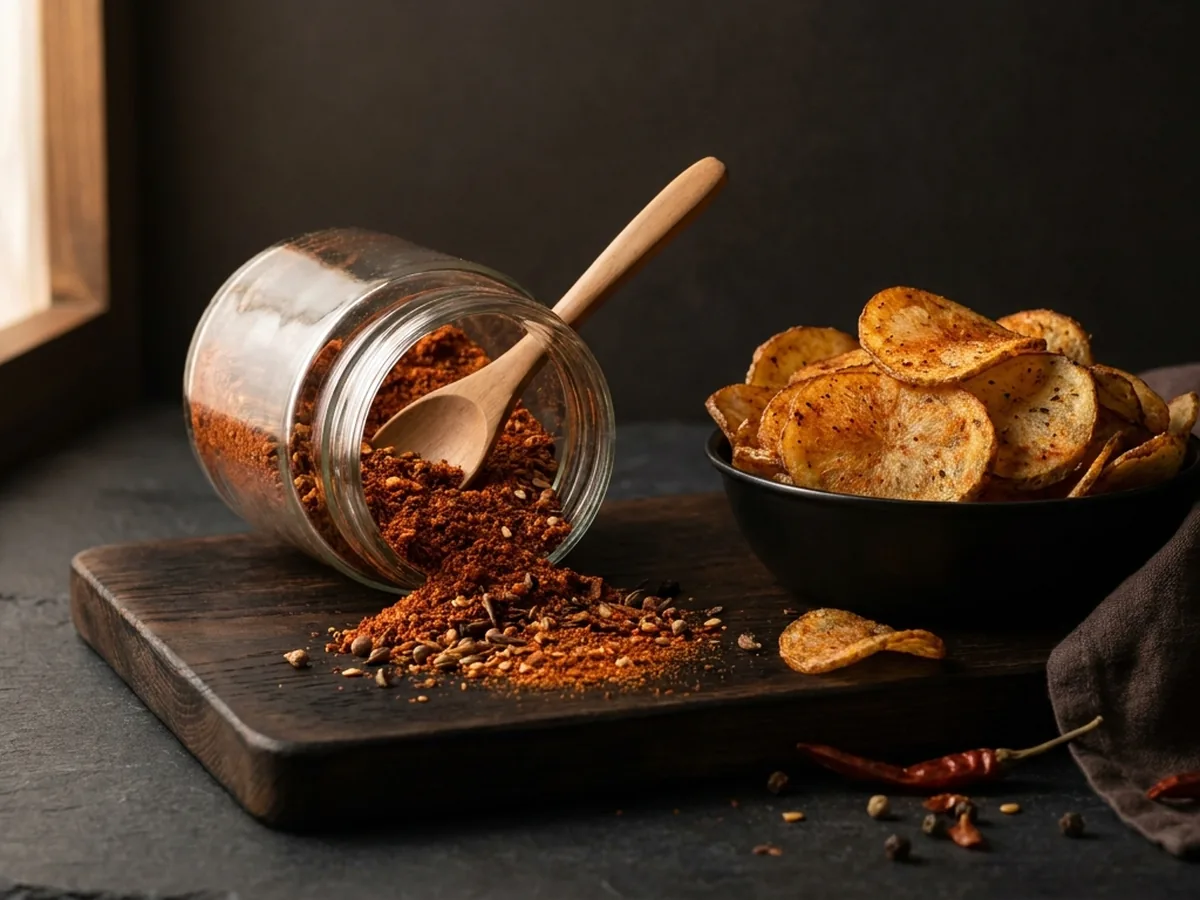
Paprika-heavy, salty, with celery salt underneath. Ninety seconds and a jar that lasts six months.
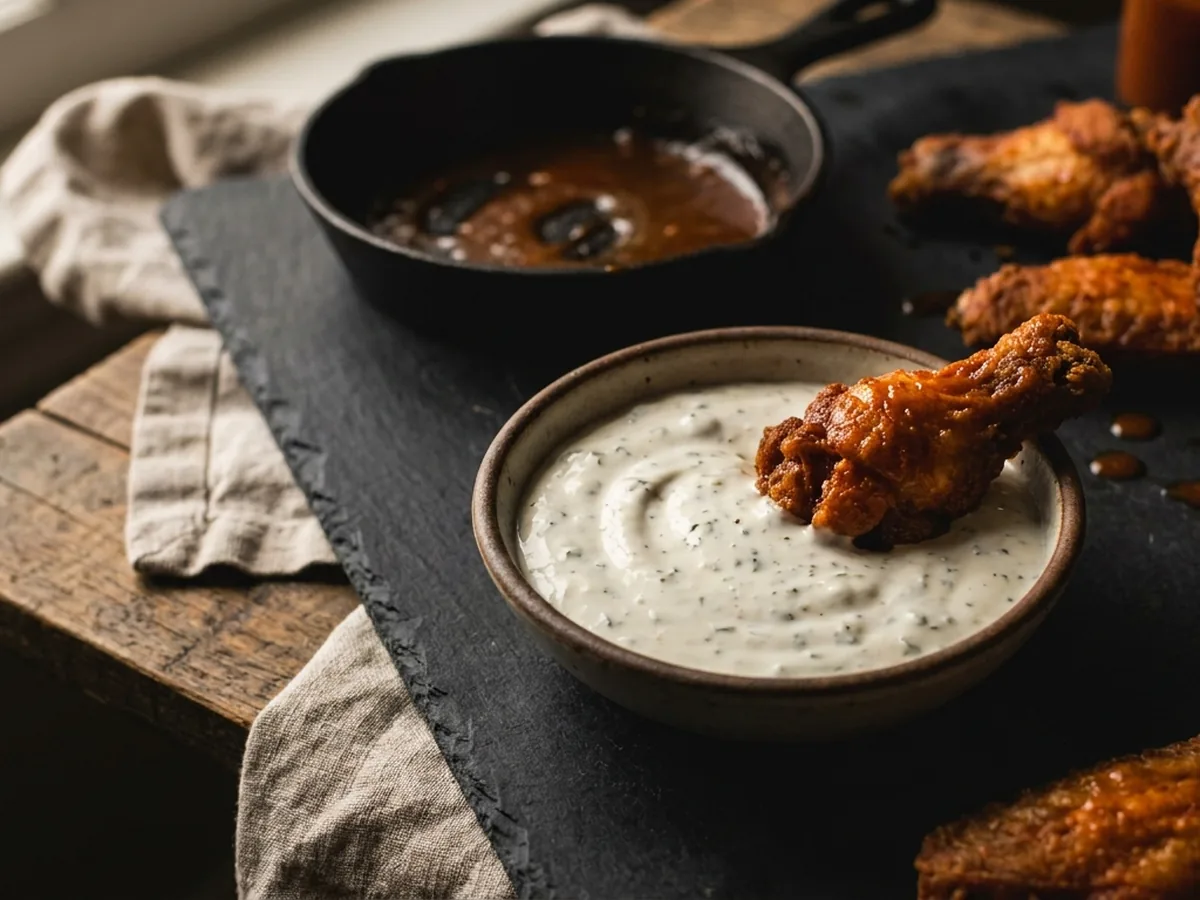
Buttermilk, mayonnaise and a proper quantity of dill, thicker than any bottled ranch. Five minutes and an overnight rest.
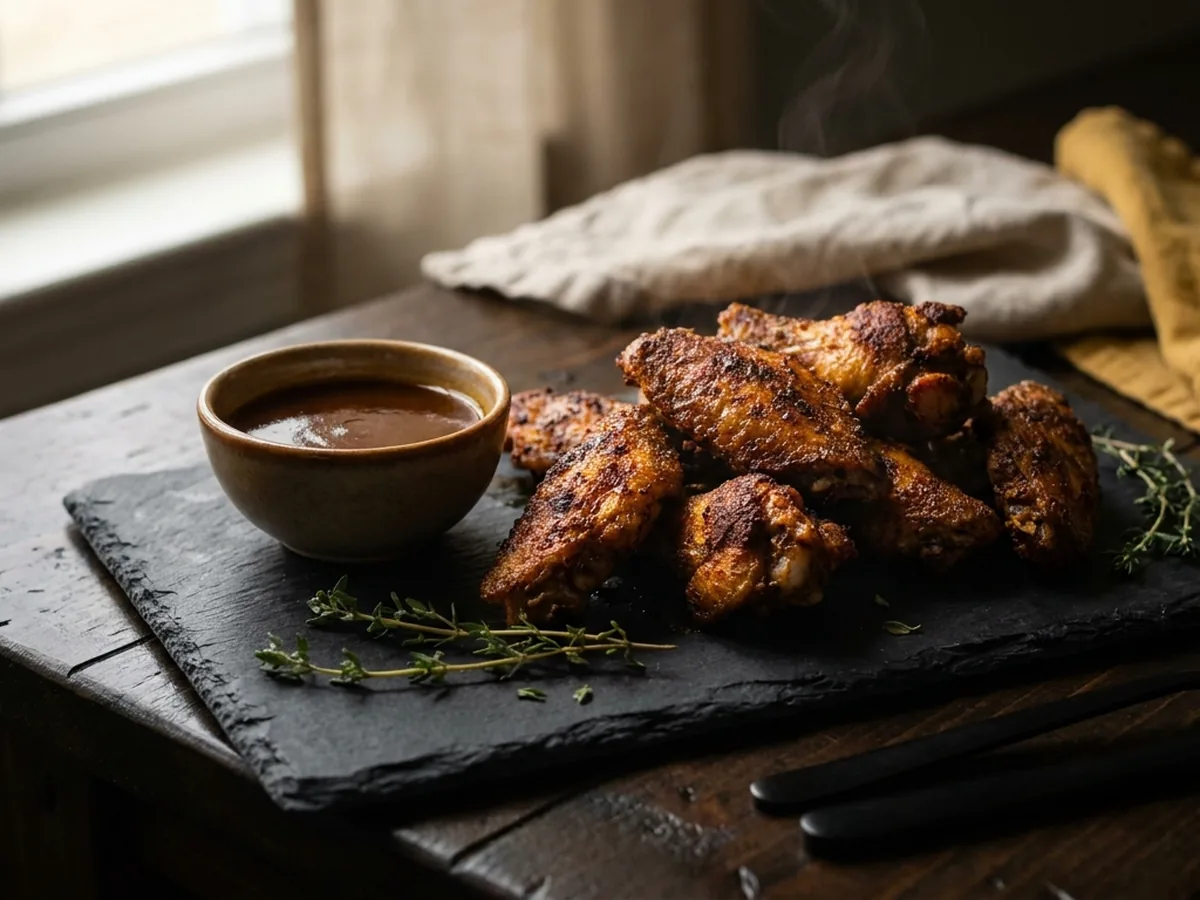
A thin, hard, heavily spiced coating on a small wing. Different from a buffalo wing in every respect that matters.
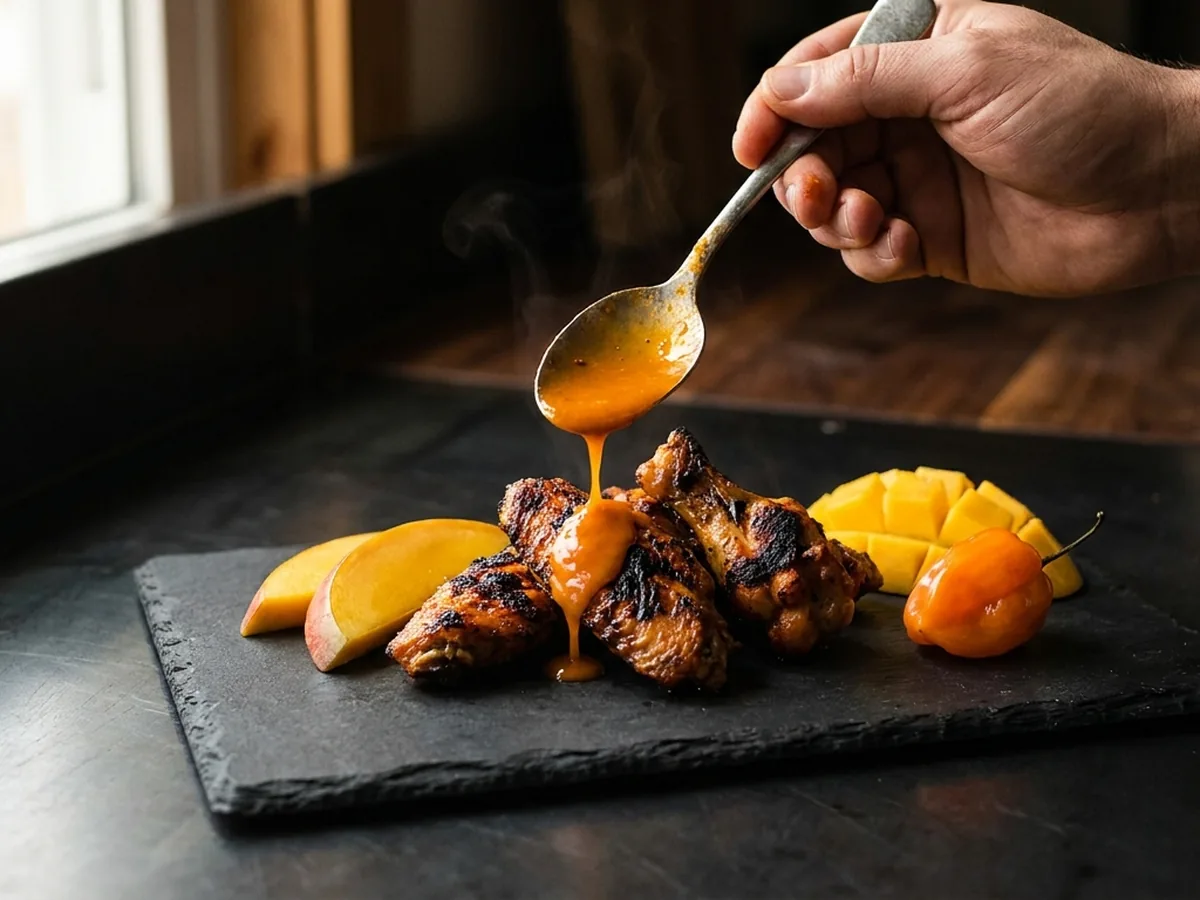
Mango, habanero, lime and a little vinegar, blended and simmered. Ten minutes, and the heat builds rather than hits.