CoCo Ichibanya
CoCo Ichibanya Curry Sauce Copycat Recipe
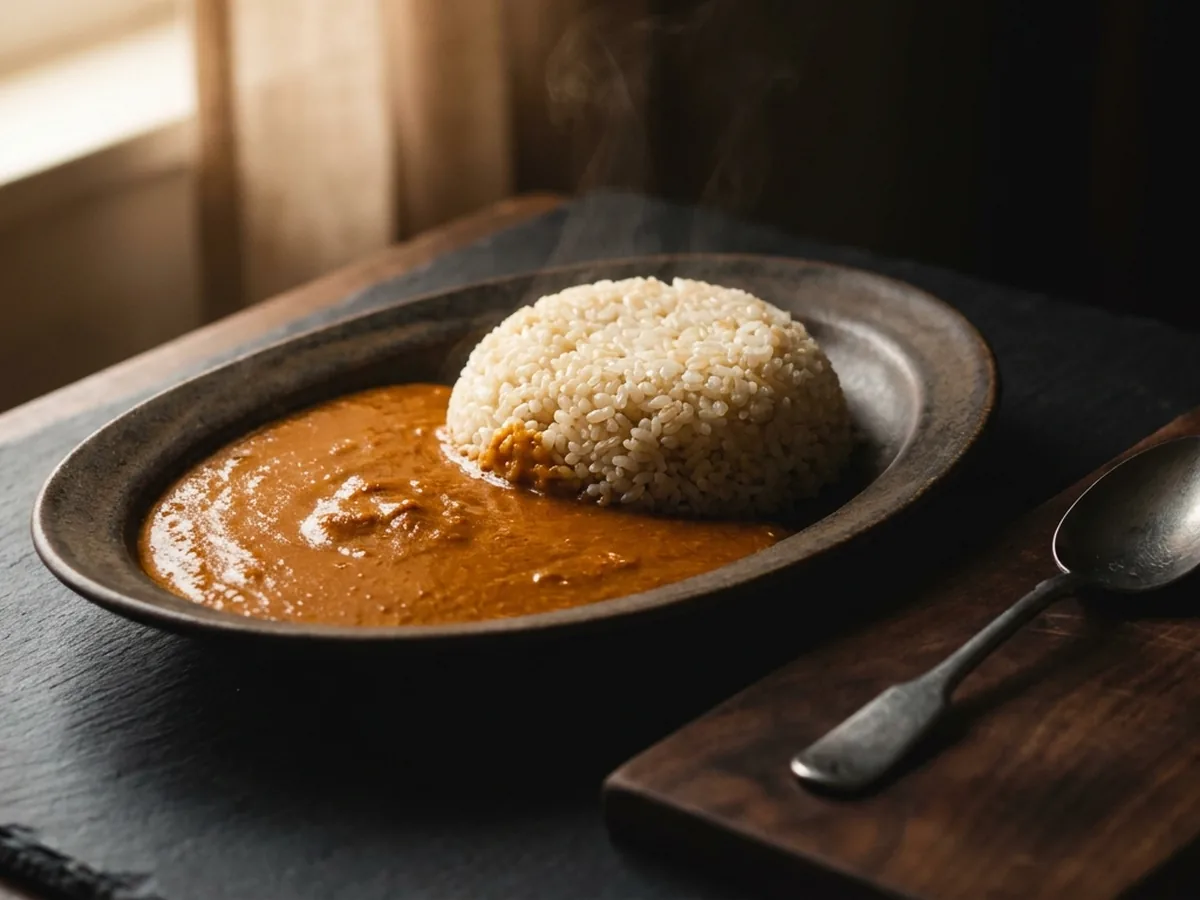
A thick, glossy, faintly sweet curry sauce built on a roux, with grated apple and honey doing the work most people ex…
 food.fast
Takeaway taste, kitchen prices
The Red Pickle Beside the Curry, and Why It Is There
The pickle that makes a second bowl of curry possible.
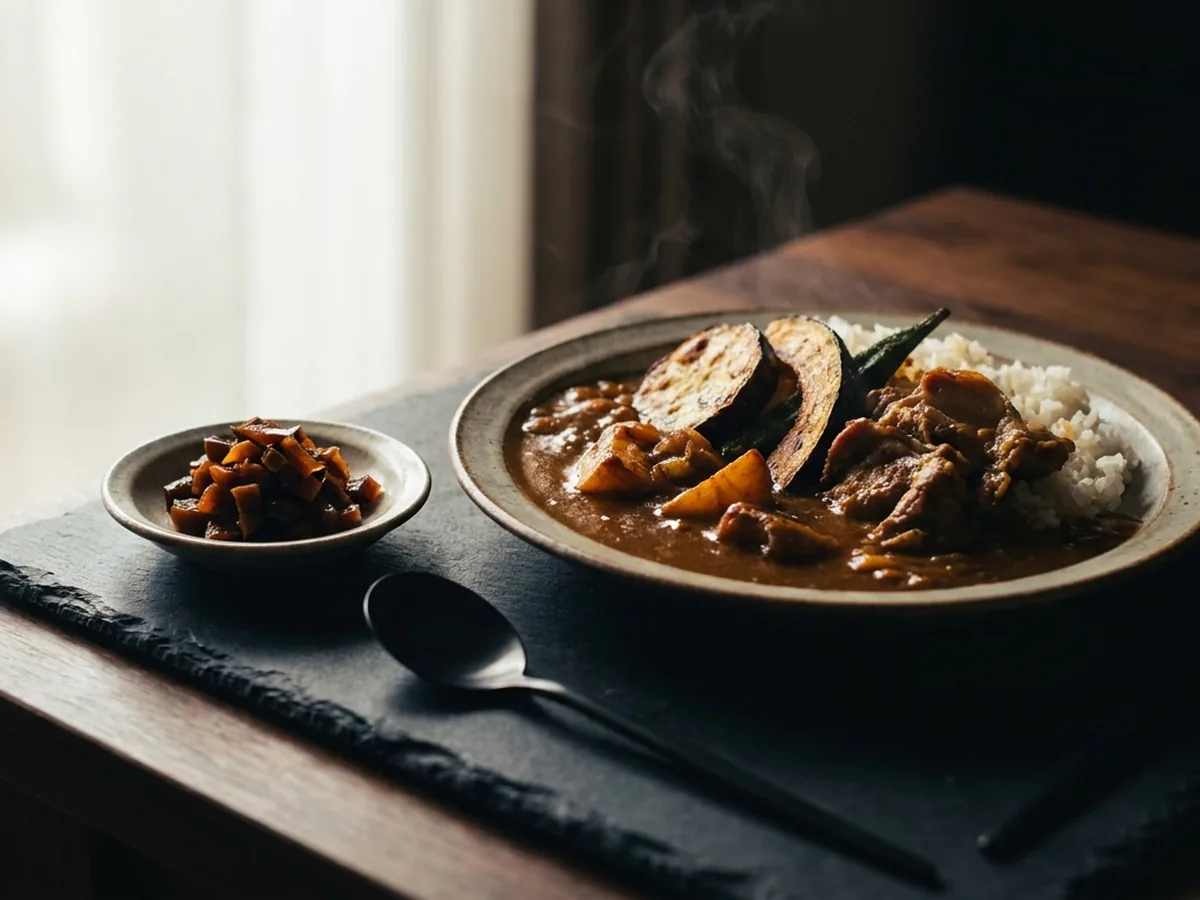
AI-generated illustration created for food.fast. It is not photographic evidence of a prepared batch.
Fukujinzuke is the small heap of reddish pickle served beside Japanese curry, and it is doing a specific job. Curry sauce is rich, thick and uniformly textured; after a few mouthfuls the palate stops registering it. The pickle is sharp, sweet and crunchy, and it resets things.
The name refers to the seven gods of fortune and traditionally the pickle contains seven vegetables. In practice it is usually daikon with whatever else is around, and it works with three.
The colour in a commercial jar is usually added. Made at home it comes out brown rather than red, which changes nothing about the taste.
The method gives quantities, timings and observable cues rather than asking you to guess. The 3 cases in If it goes wrong explain likely causes and corrective action.
See the recipe verification standard · See how the cost is calculated
Toss the chopped vegetables with a teaspoon of salt and leave them for twenty minutes, then squeeze them out firmly.
Two reasons. Daikon and cucumber are mostly water, and that water would otherwise dilute the brine to the point where the pickle tastes weak by the second day. And salted, drained vegetables stay crunchy - the cell walls firm up rather than going limp in the liquid.
Squeeze harder than feels polite. A good handful should give up a couple of tablespoons of liquid.
Soy sauce, mirin, rice vinegar and sugar, boiled for two minutes to dissolve the sugar and drive off the raw alcohol in the mirin.
Pour it over hot. The heat drives the brine into the vegetables quickly, which is what gets a usable pickle within a day instead of a week.
Twelve hours is the minimum and two days is better. It keeps improving for about a week and then the vegetables start to soften.
About 5 mm dice throughout. Even pieces pickle at the same rate, and small pieces are what let you eat the pickle alongside a forkful of curry rather than instead of it.
About 12 minToss with the salt, leave twenty minutes, then squeeze firmly in your hands over the sink. A good handful should give up a couple of tablespoons of water.
About 20 minBring the soy sauce, mirin, vinegar, sugar and ginger to a boil and hold it for two minutes, which dissolves the sugar and drives off the raw alcohol in the mirin.
About 5 minPack the squeezed vegetables into a jar and pour the boiling brine straight over them. The heat drives the flavour in quickly enough to be usable the next day.
About 2 minLet it come to room temperature, seal and refrigerate. Twelve hours is the minimum; two days is noticeably better.
About 12 hrEach entry names a likely cause as well as a correction, so the advice remains useful when equipment, ingredients or batch size differ.
The recipes that go with this one, or that use what you have just made.
A thick, glossy, faintly sweet curry sauce built on a roux, with grated apple and honey doing the work most people ex…
Short grain rice cooked so it holds its shape under sauce - rinsed, rested and plated as a bank rather than a heap.