Wendy's
Wendy's Frosty Copycat Recipe
Malted milk powder and a deliberately under-frozen texture. Five minutes of work, four hours in the freezer, no machine.
 food.fast
Takeaway taste, kitchen prices
Thick Enough to Hold Upside Down, Without a Soft-Serve Machine
The upside-down trick, from a supermarket tub.
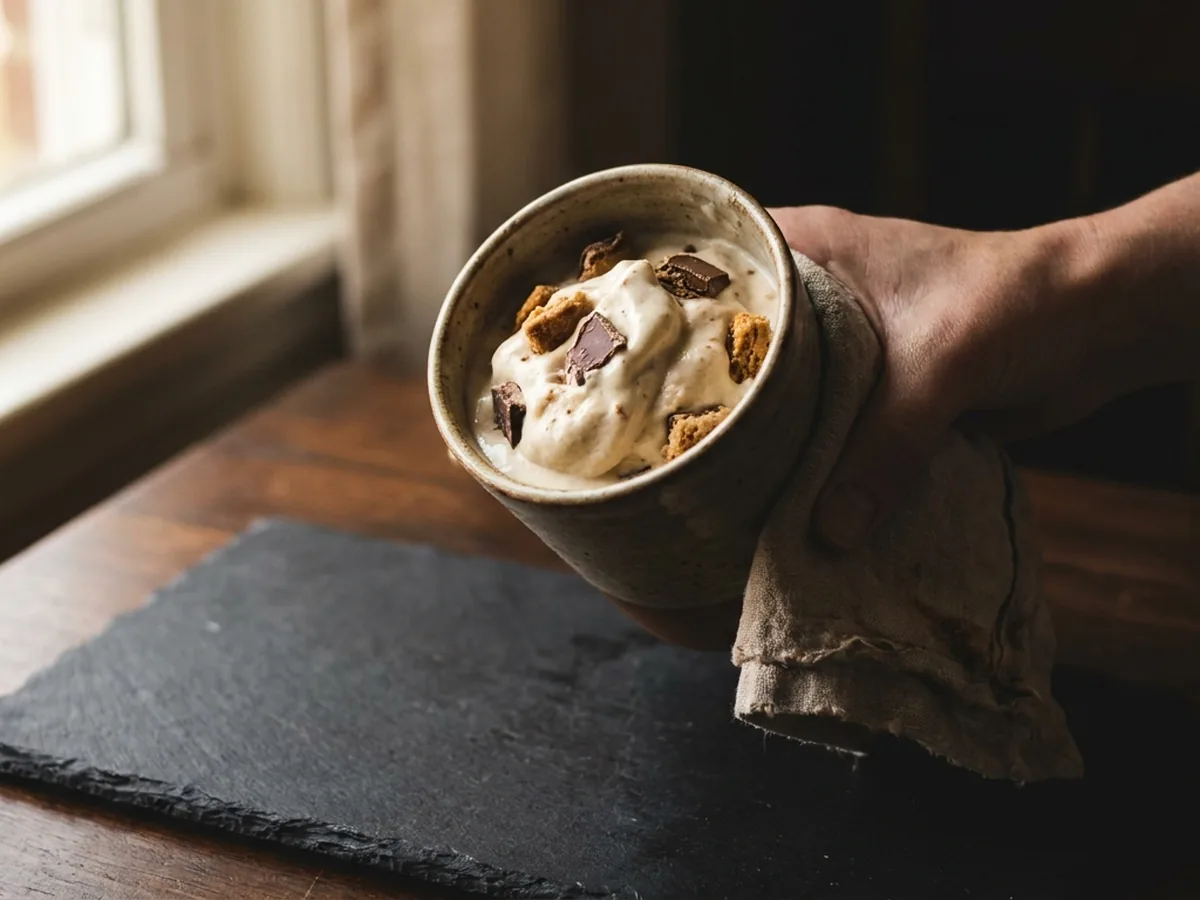
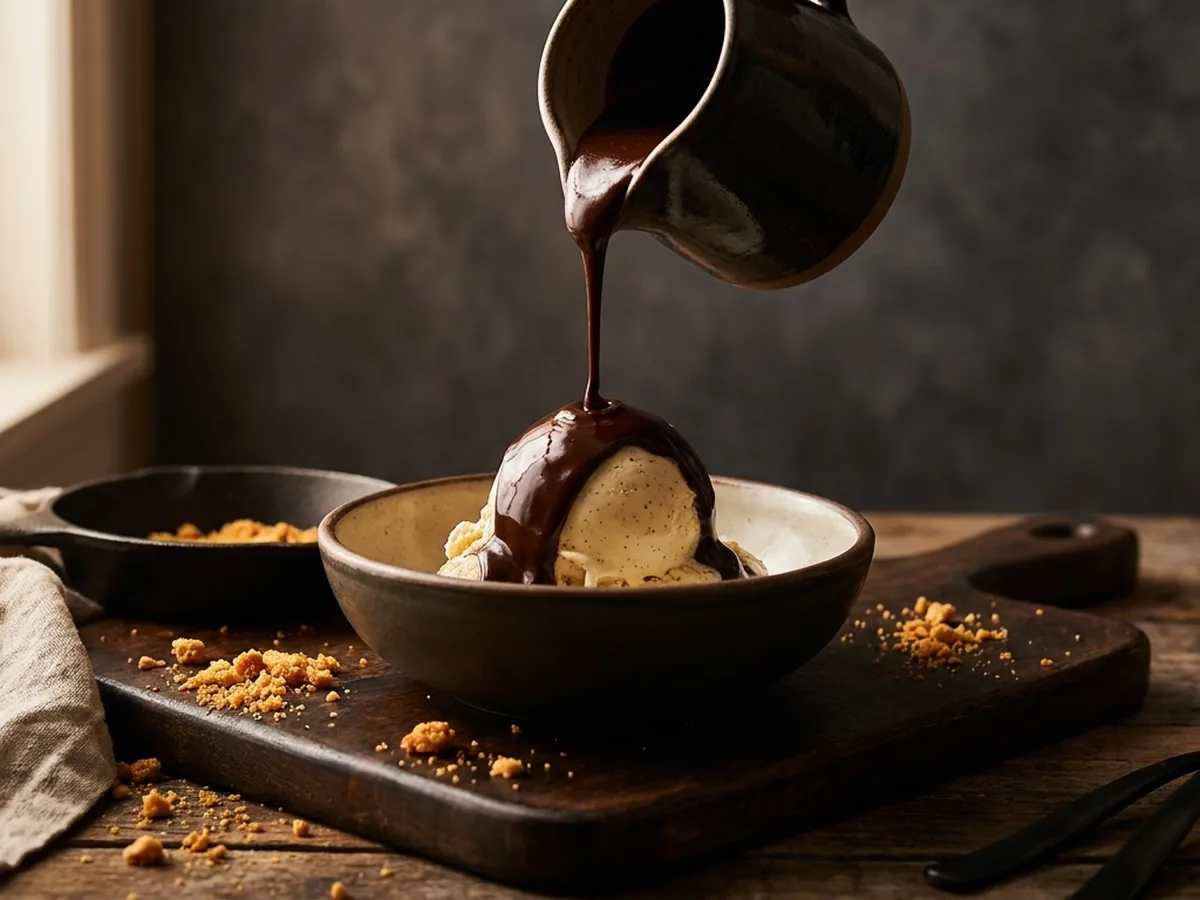
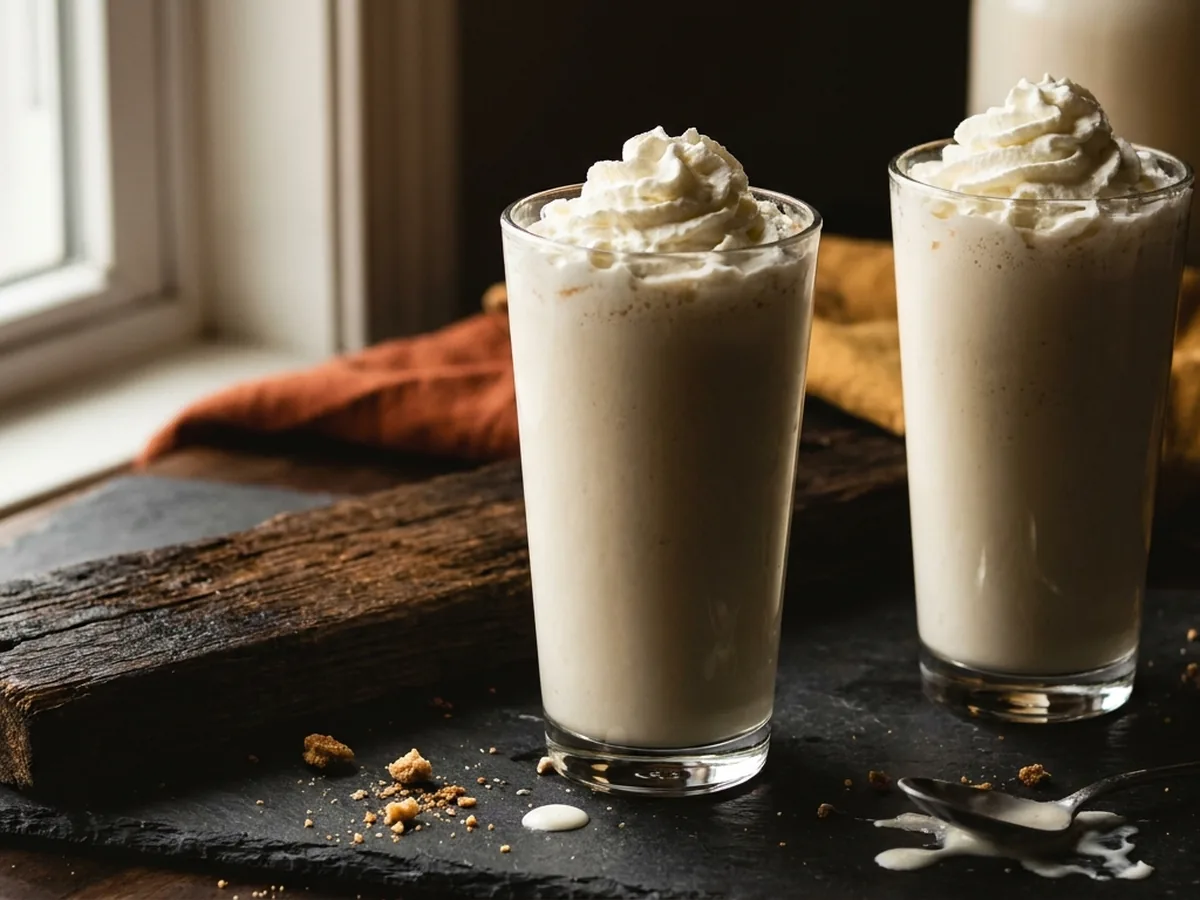
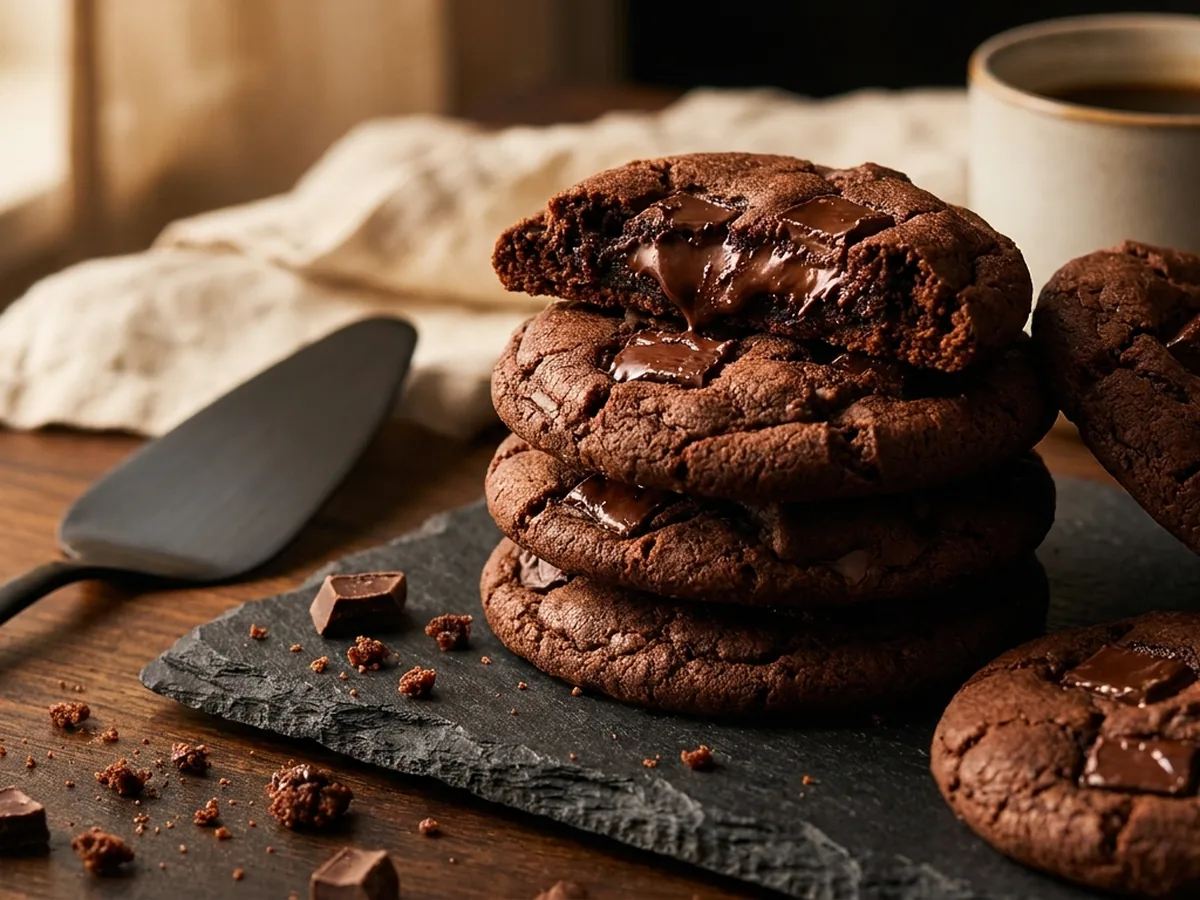
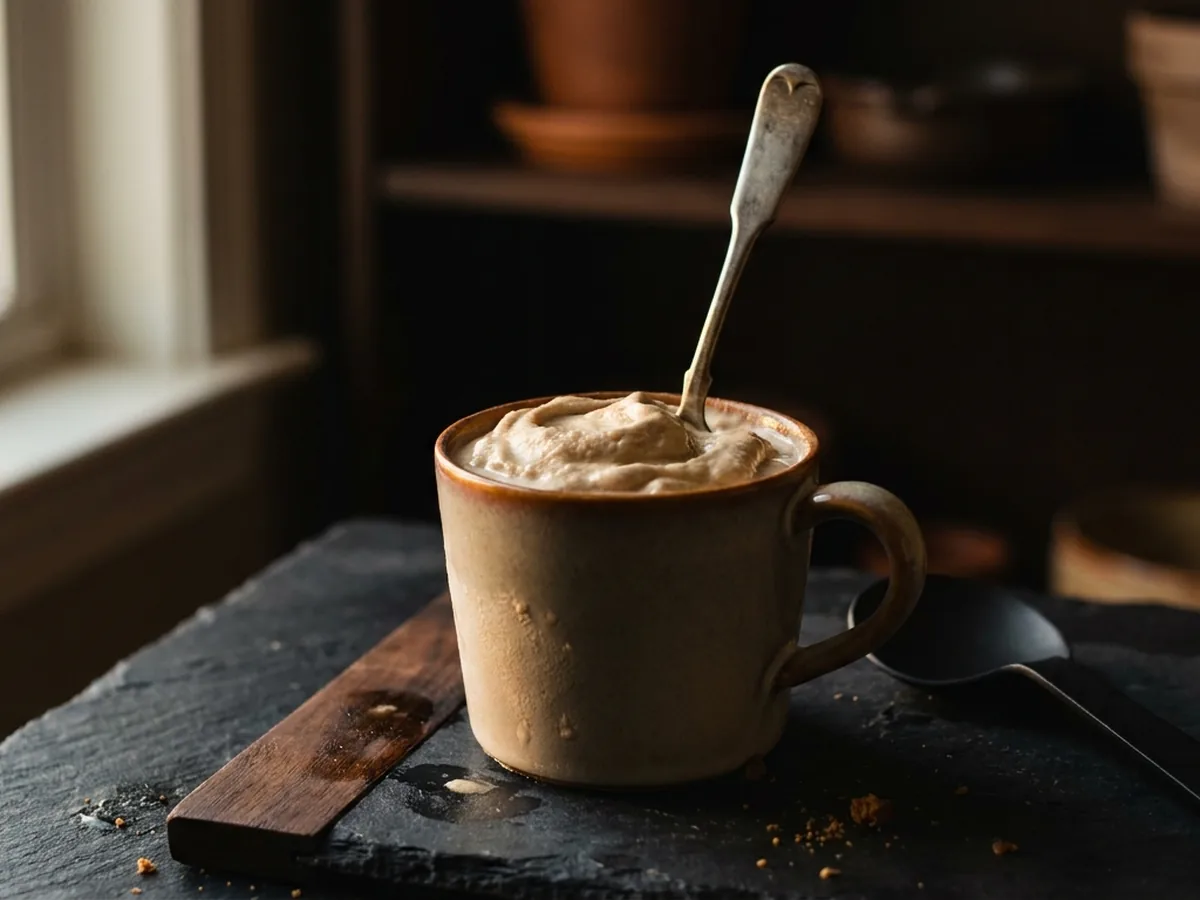
AI-generated illustration created for food.fast. It is not photographic evidence of a prepared batch.
Handing a Blizzard over upside down is a promise about texture, and it is the whole product. It works because Dairy Queen's soft serve is lower in butterfat and higher in stabiliser than ice cream, and carries a measured 30 to 50 per cent air - which the trade calls overrun.
A domestic freezer cannot reproduce that, and this page is not going to pretend otherwise. What it does instead is come at the same texture from a different direction: take a good ice cream, soften it, beat air back into it by hand, fold the mix-ins through on a cold surface, and refreeze just long enough to firm up.
It is genuinely close and it takes ten minutes. It is also the cheapest dessert on this site relative to what it replaces - about sixty pence a cup against four pounds.
The method gives quantities, timings and observable cues rather than asking you to guess. The 4 cases in If it goes wrong explain likely causes and corrective action.
See the recipe verification standard · See how the cost is calculated
Ice cream straight from a freezer is around −18 °C and has whatever air was churned into it at the factory, compressed and settled.
Leave it out for ten minutes and it reaches roughly −8 °C - soft enough to beat and still frozen. Then beat it hard for thirty seconds with a wooden spoon or a stand mixer paddle.
Two things happen. You physically incorporate air, lightening the colour visibly. And you break down the larger ice crystals that formed during storage, which is why beaten-and-refrozen ice cream is often smoother than it was.
Do not use a whisk or high-speed beaters. They warm it too fast and you end up with a milkshake. A paddle attachment or a spoon, briefly.
Then twenty minutes back in the freezer to firm up to serving temperature - which for this is around −8 to −10 °C, considerably warmer than the freezer runs. It should resist a spoon and hold a peak.
Mix-ins folded into ice cream on a warm worktop melt a channel around themselves, and that channel refreezes as ice rather than ice cream. You end up with gritty streaks.
The commercial answer is a frozen granite slab. The domestic one is a metal baking tray left in the freezer for an hour, which has enough thermal mass to stay well below zero for the ninety seconds the folding takes.
Fold, do not stir. Three or four passes with a spatula, cutting the mix-ins through rather than beating them in. Over-folding gives a uniform beige cup with no distinct pieces, which is the commonest failure.
Mix-ins go in cold, straight from a cupboard or the fridge, never warm. A warm brownie piece melts a hole around itself.
Chop them small - about 1 cm. Large pieces sink and end up at the bottom of the cup.
Any flat baking tray. This is what stops the mix-ins melting channels as you fold.
About 1 hrOut of the freezer, in the tub. It should dent under a spoon and not be pourable.
About 10 minWooden spoon or paddle. It will lighten in colour visibly as air goes in. Stop while it still holds its shape.
About 1 minThree or four passes with a spatula, chopping rather than stirring. You should still see distinct pieces.
About 2 minLong enough to firm up, not long enough to go hard. Then hold one upside down over the sink, because that is the point.
About 20 minA cheap ice cream is mostly air and vegetable fat, and beating it produces something foamy that collapses. A good one - high butterfat, real cream, preferably one whose ingredient list you can read - has the structure to take air and hold it.
Look for at least 10 per cent butterfat, which in the UK is what allows a product to be called ice cream rather than a frozen dessert. Higher is better; the premium tubs run 14 to 16.
The malted milk powder is optional and it is what takes this from "ice cream with biscuits in it" to something that reads as a Blizzard. It is the same ingredient that carries the Frosty, and for the same reason: a faintly toasted, slightly savoury sweetness that plain vanilla does not have.
Use an edible cookie dough - flour heat-treated at 160 °C for ten minutes, no egg. Raw flour is not safe to eat.
Four tablespoons of hot fudge, barely folded, so it stays as ribbons.
A good oat or coconut ice cream. Coconut takes air particularly well because of its fat content.
Each entry names a likely cause as well as a correction, so the advice remains useful when equipment, ingredients or batch size differ.
The recipes that go with this one, or that use what you have just made.
Malted milk powder and a deliberately under-frozen texture. Five minutes of work, four hours in the freezer, no machine.
Cream, sugar, cocoa and butter, boiled briefly. Five minutes, and it turns any supermarket vanilla into a dessert.
A thick vanilla base and eight mix-ins you combine yourself. Three minutes a shake.
Thick, soft and deliberately under-baked so the middle stays molten. Twenty minutes, and the timing is the entire recipe.