Dairy Queen
Dairy Queen Blizzard Copycat Recipe
Good ice cream, beaten soft, folded hard with mix-ins on a frozen surface, refrozen briefly. Ten minutes of work.
 food.fast
Takeaway taste, kitchen prices
A Cooked Sauce, Not Melted Chocolate - Which Is Why It Goes Chewy
The sauce that goes chewy against cold ice cream instead of setting hard.
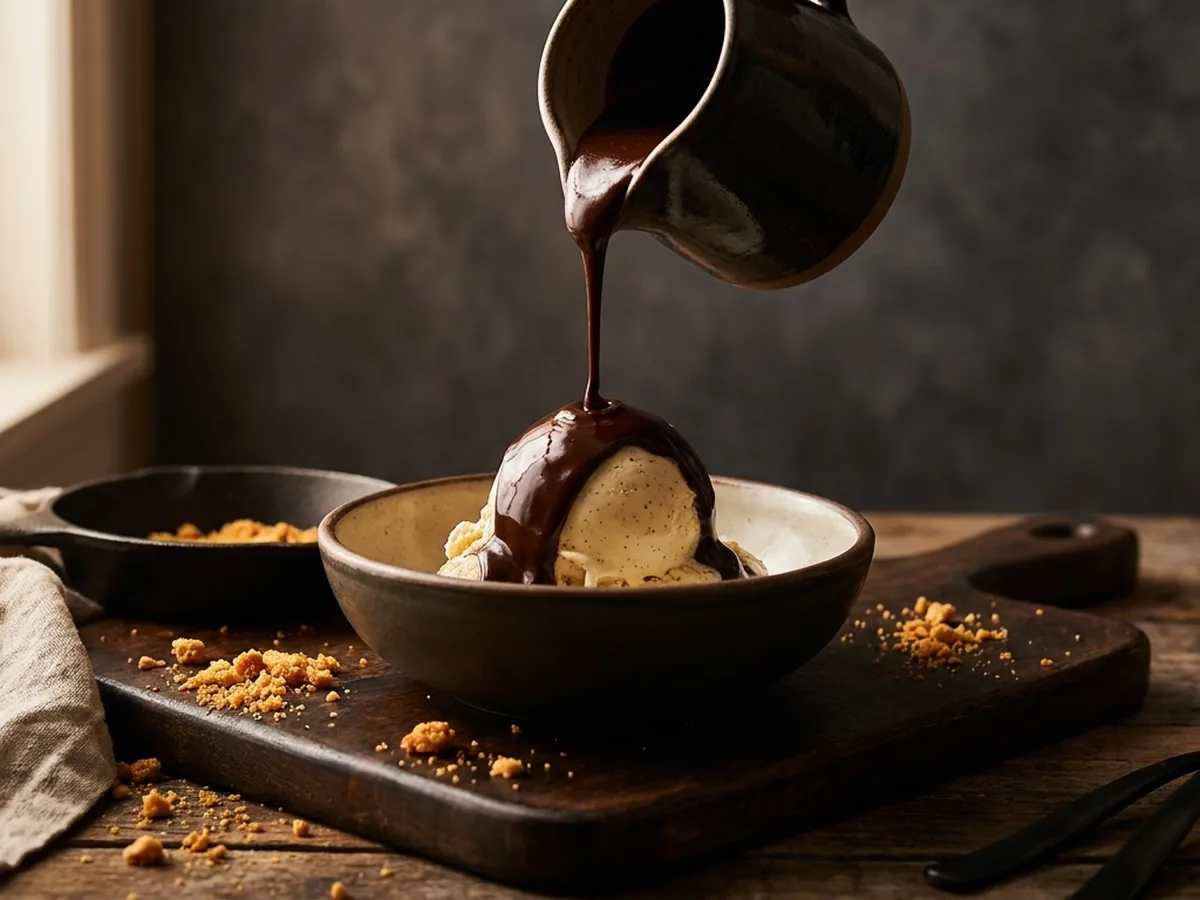
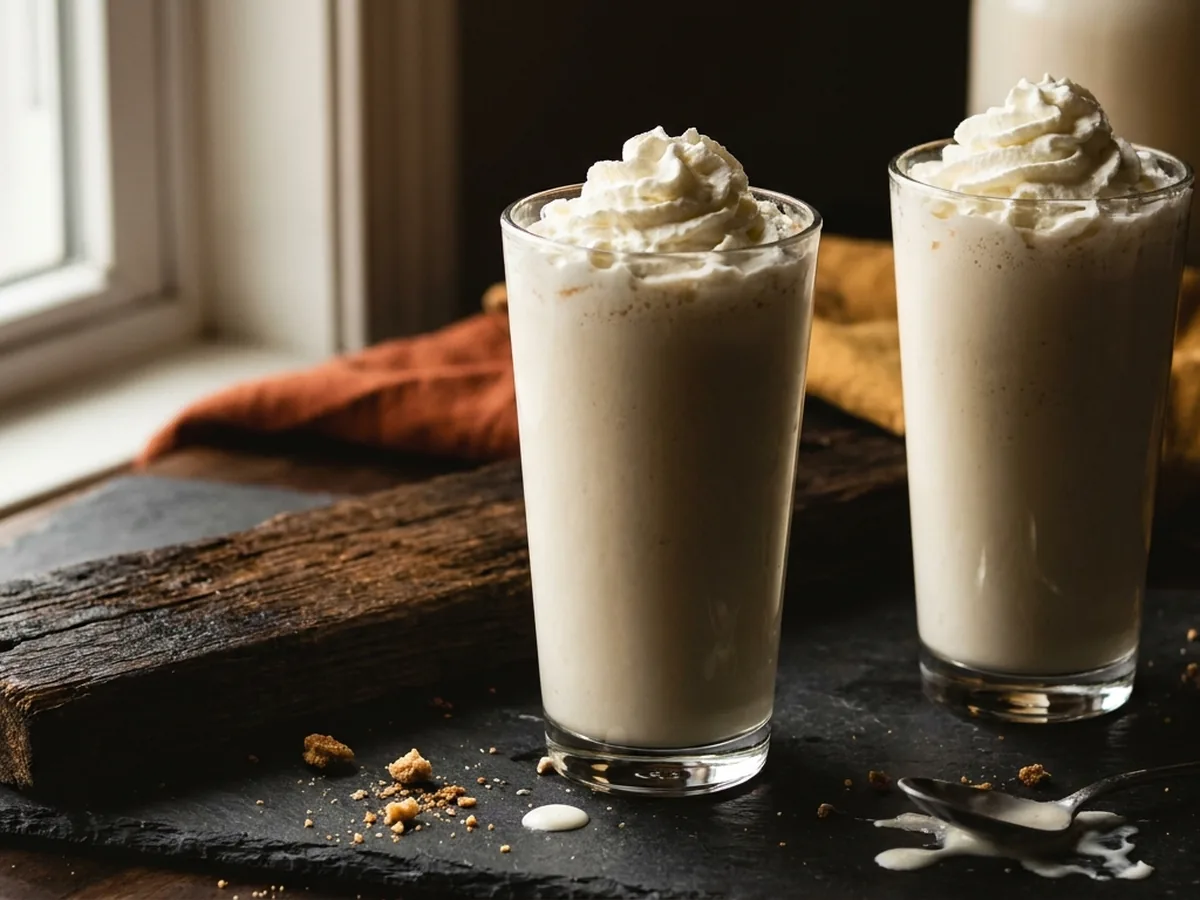
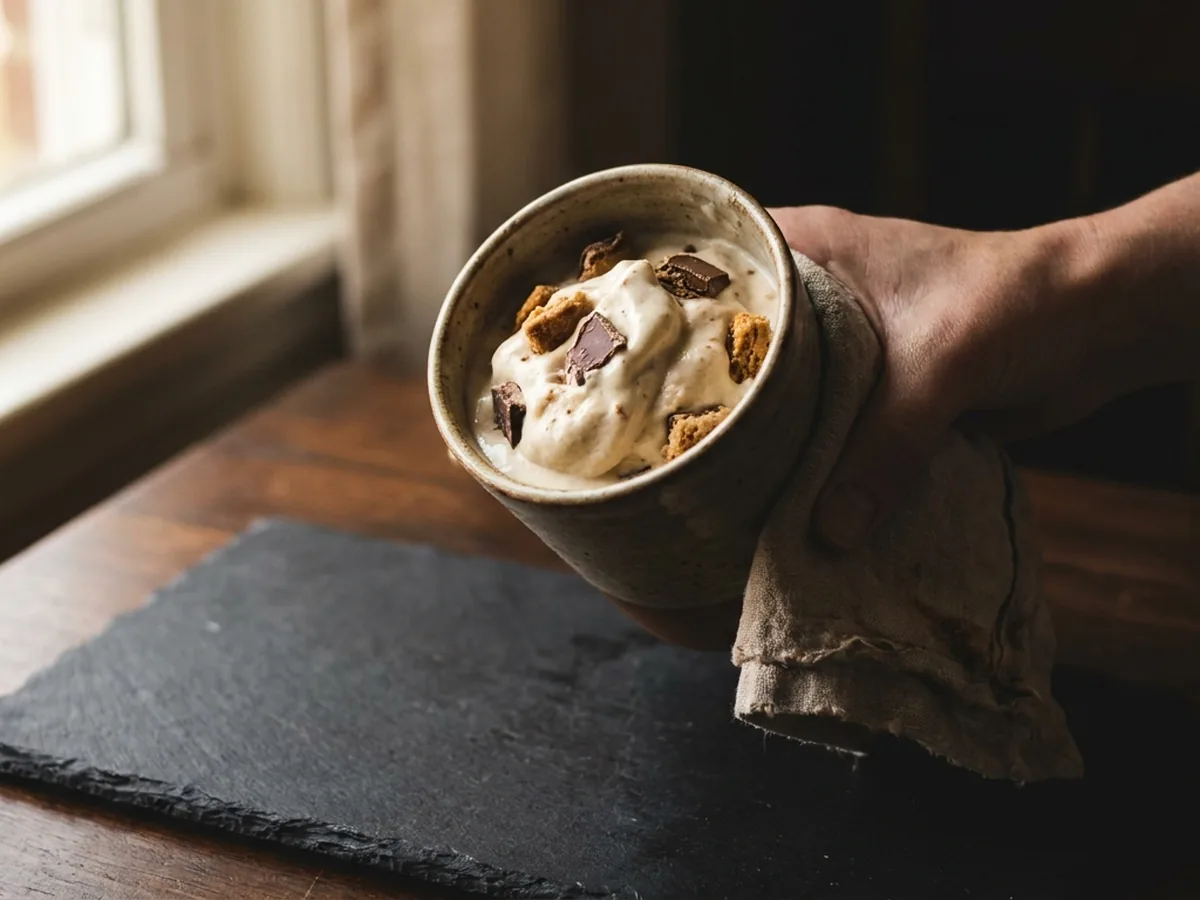
AI-generated illustration created for food.fast. It is not photographic evidence of a prepared batch.
Hot fudge is one of those things almost everybody has eaten and very few people have made, and the reason it seems difficult is a misunderstanding about what it is.
It is not melted chocolate. Melted chocolate stirred into cream is a ganache: it sets hard when cold, and poured onto ice cream it seizes into a brittle shell - which is a magic-shell topping and a completely different product.
Hot fudge is a cooked sauce - cream, sugar, cocoa and butter, brought to a brief boil. Cooking the sugar changes its structure so the finished sauce stays thick and spoonable at fridge temperature and goes pleasantly chewy against something frozen rather than brittle. That chew is the whole point.
Five minutes, sixty pence, and it keeps two weeks.
The method gives quantities, timings and observable cues rather than asking you to guess. The 5 cases in If it goes wrong explain likely causes and corrective action; 1 ingredient note explains choices that materially affect the result.
See the recipe verification standard · See how the cost is calculated
Two steps decide whether this works.
Bloom the cocoa. Whisk the cocoa and sugar into the boiling cream and water rather than adding it to a cold or warm mixture. Cocoa powder resists wetting and clumps around itself; hot liquid disperses it properly and releases considerably more flavour by breaking down the particle structure. You will see the difference - a bloomed sauce is glossy and dark, an unbloomed one is dull and slightly gritty.
Then a full rolling boil for exactly one minute. This is what makes it fudge rather than a chocolate cream. The sugar concentrates slightly and its structure changes, which is what gives the chewy, slightly grainy-in-a-good-way texture against ice cream.
Less than a minute and it is a thin chocolate sauce. More than about ninety seconds and it starts towards fudge proper and will set too firm in the fridge.
The butter and vanilla go in off the heat, at the end. Butter boiled into a sugar syrup separates; stirred in off the heat it emulsifies and gives the gloss.
It is an invert sugar - glucose and fructose rather than sucrose - and invert sugars physically obstruct sucrose crystals from forming. Two tablespoons is what stops the sauce going grainy in the jar over a fortnight. Corn syrup or honey do the same job; honey brings its own flavour.
In the pan, over a medium heat, whisking occasionally.
About 3 minAll at once, whisking hard until completely smooth and glossy with no dry specks. It will thicken immediately.
About 1 minBack on the heat, whisking constantly so the base does not catch. Count the minute - this is what makes it fudge.
Whisk the butter in until it has completely disappeared and the sauce is glossy. Then the vanilla and salt.
About 1 minIt thickens substantially. Slightly loose in the pan is right.
About 20 minThe other soda-fountain sauce, and structurally the same recipe with the cocoa removed and the sugar changed.
Half a cup of double cream, three-quarters of a cup of dark brown sugar, 50 g butter, a tablespoon of golden syrup, half a teaspoon of salt, a teaspoon of vanilla. Same method: boil the cream, sugar and syrup, one minute at a rolling boil, butter and vanilla off the heat.
The difference between butterscotch and caramel is the sugar. Caramel is white sugar taken to amber on its own; butterscotch is brown sugar melted with butter, and the molasses in the brown sugar is what makes it butterscotch.
Do not skimp on the salt. Without it, butterscotch tastes only of sugar - this is the single most common complaint about home-made butterscotch and the easiest to fix.
As set out above - no cocoa, dark brown sugar, more salt.
Drop the sugar to half a cup and add 40 g of chopped 70% chocolate off the heat with the butter.
Half a teaspoon of flaky salt instead of a quarter of fine. Better on a sundae than the plain version.
Each entry names a likely cause as well as a correction, so the advice remains useful when equipment, ingredients or batch size differ.
The recipes that go with this one, or that use what you have just made.
Good ice cream, beaten soft, folded hard with mix-ins on a frozen surface, refrozen briefly. Ten minutes of work.
A thick vanilla base and eight mix-ins you combine yourself. Three minutes a shake.
An enriched dough, a filling that is a third cinnamon by volume, and a cream cheese frosting with a much higher chees…
Malted milk powder and a deliberately under-frozen texture. Five minutes of work, four hours in the freezer, no machine.