Nando's
Nando's Garlic Bread Copycat Recipe
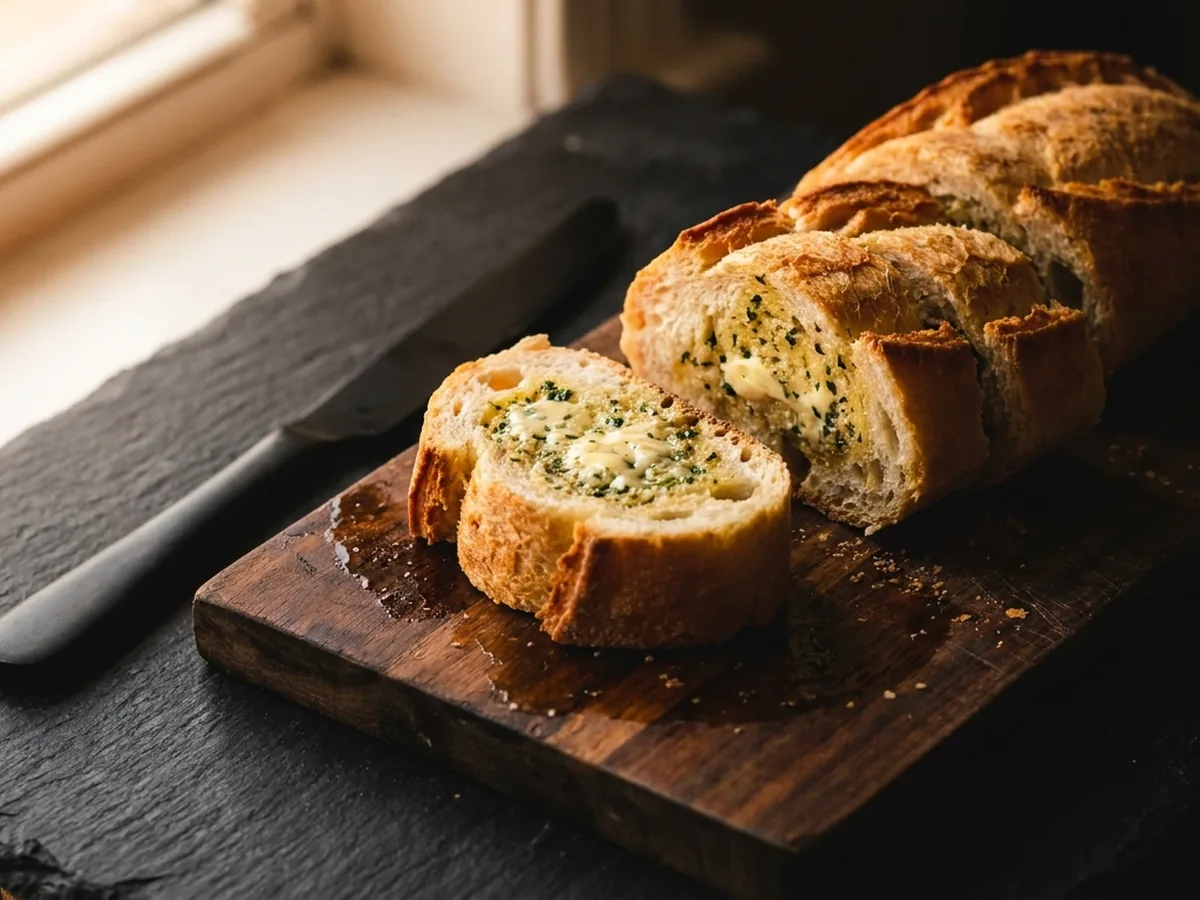
A baguette, a compound butter with peri-peri in it, twelve minutes in the oven. About twenty pence a portion.
 food.fast
Takeaway taste, kitchen prices
Cheese Toast: Griddled Cheese-Side-Down, Which Is the Whole Idea
The most requested discontinued restaurant item in Australia, in four minutes.
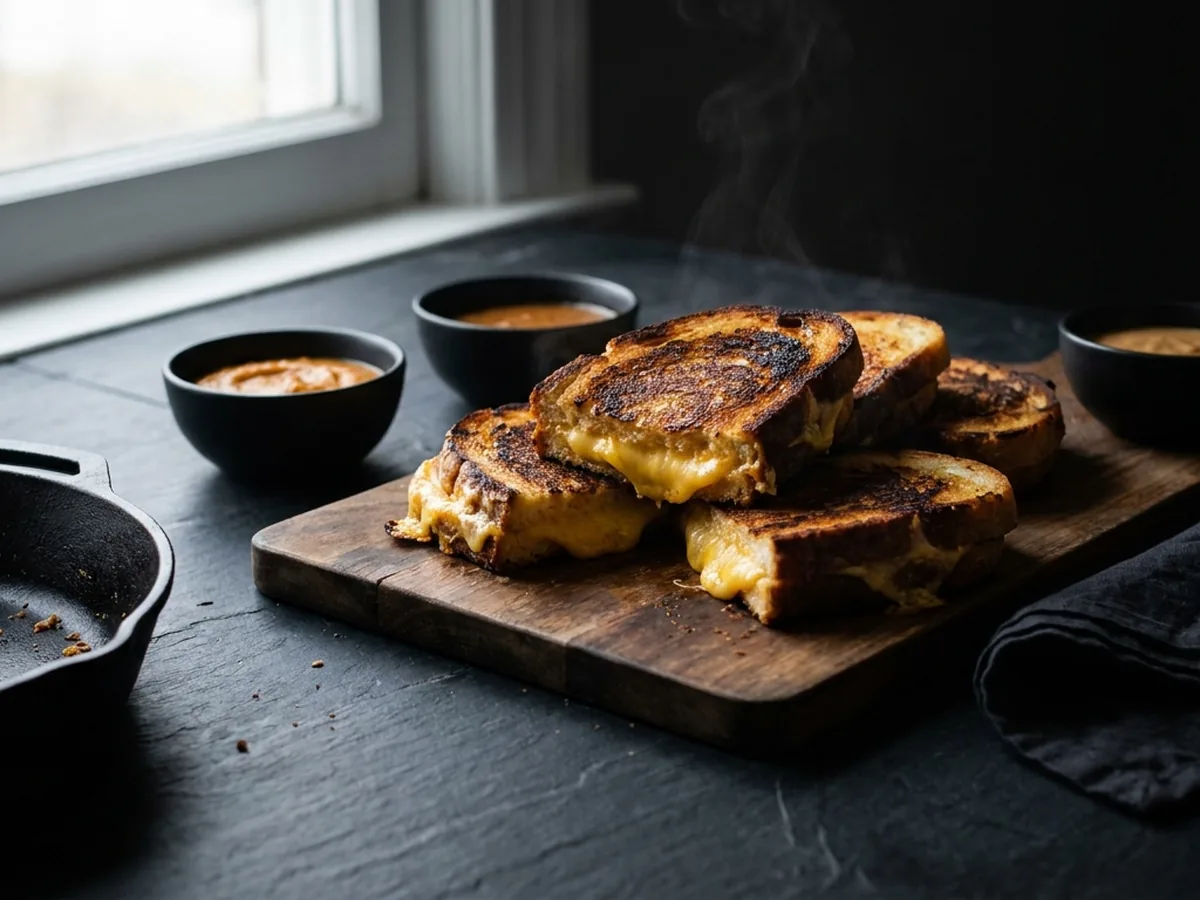
AI-generated illustration created for food.fast. It is not photographic evidence of a prepared batch.
Ask an Australian about Sizzler and the conversation will reach cheese toast within thirty seconds. It is one of the most fondly remembered discontinued restaurant items anywhere, and it is four minutes of work.
The thing everybody gets wrong is the heat source. This is not made under a grill. The cheese paste goes on the bread, and then the bread goes cheese-side-down onto a hot griddle or pan, so the cheese toasts in direct contact with metal rather than under radiant heat from above.
That contact is what produces the specific burnished, slightly crisp, faintly nutty surface. Under a grill you get melted cheese on toast, which is a different and lesser thing.
The method gives quantities, timings and observable cues rather than asking you to guess. The 4 cases in If it goes wrong explain likely causes and corrective action; 2 ingredient notes explain choices that materially affect the result.
See the recipe verification standard · See how the cost is calculated
Under a grill, cheese melts and then browns unevenly wherever the surface happens to be closest to the element. The result is a molten layer with darker patches.
On a hot pan, the cheese is pressed flat against 190 °C metal across its whole surface. Conduction is far more efficient than radiation, so the cheese browns evenly and quickly, and the parmesan's proteins and milk sugars form an even, brittle, deeply savoury crust.
It also means the bread underneath steams slightly rather than drying out, so you get a crisp surface on a still-soft slice.
The pan wants to be medium, not high. High heat browns the cheese in thirty seconds and leaves the butter unmelted and the bread cold.
Parmesan has very little moisture and a great deal of protein and salt, which is why it forms a crisp crust rather than a molten puddle. Cheddar melts and runs off the edge into the pan, where it burns. Grate it finely - coarse shreds sit in clumps and brown unevenly.
Ordinary supermarket white sandwich bread, thick cut. Sourdough and crusty bread both have too much structure - the whole appeal of this is a crisp cheese surface on a soft, slightly squashy slice. This is not the moment for good bread.
Hard, with a fork, until it is completely uniform and spreadable. It should look like a thick cheese butter.
About 3 minPaste on one face, right to the edges - edges are where it crisps. Plain softened butter on the reverse.
About 2 minDo not press it, do not move it. You are looking for a deep golden, slightly lacy crust across the whole face.
With a palette knife, in one movement. The second side just needs colour.
About 2 minStraight onto a board and cut corner to corner. The cheese crust softens within about five minutes as steam from the bread works its way back into it, so this is genuinely a make-it-and-eat-it dish rather than one to hold for the table.
About 1 minAt Sizzler it comes with the salad bar and the steaks, and at home it works the same way - beside soup, beside a salad, beside anything.
The honest warning is that four slices between four people is nobody's actual consumption. It is the sort of thing where people eat three slices each while saying they will only have one. Make eight.
The paste keeps a fortnight in the fridge and freezes as a log for three months, like the Nando's garlic butter, so making a big batch of paste and toasting bread on demand is the sensible arrangement.
20 g of finely grated mature cheddar alongside the parmesan. More cheese flavour, slightly less crisp.
A teaspoon of dried oregano and a tablespoon of chopped parsley in the paste.
Split lengthways, pasted and griddled cut side down. Harder to handle and very good.
Each entry names a likely cause as well as a correction, so the advice remains useful when equipment, ingredients or batch size differ.
The recipes that go with this one, or that use what you have just made.
A baguette, a compound butter with peri-peri in it, twelve minutes in the oven. About twenty pence a portion.
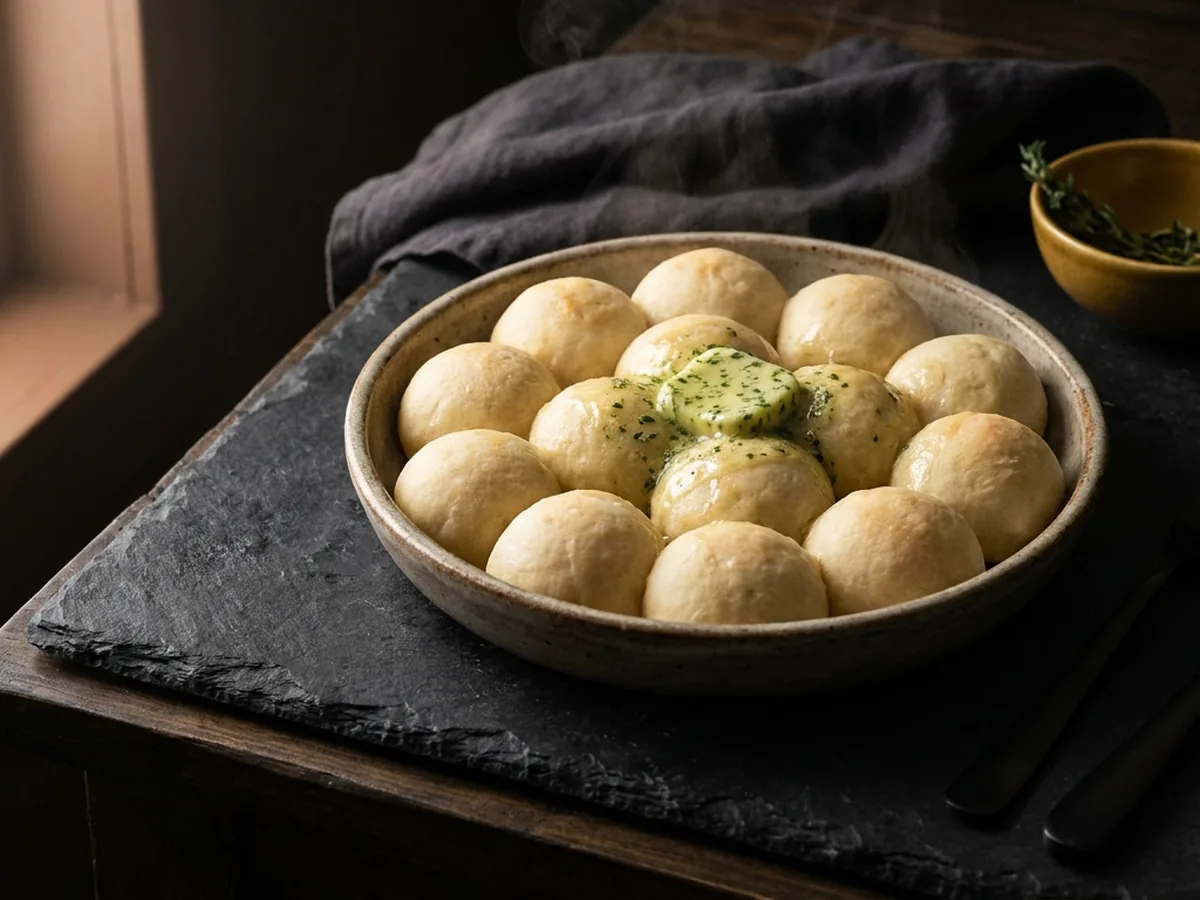
Walnut-sized, baked hot and fast so they stay pale and pillowy, with a soft garlic butter that melts into them. About…
The pretzel dip - milder and thinner than a queso, built to stay liquid in a paper pot. Eight minutes.
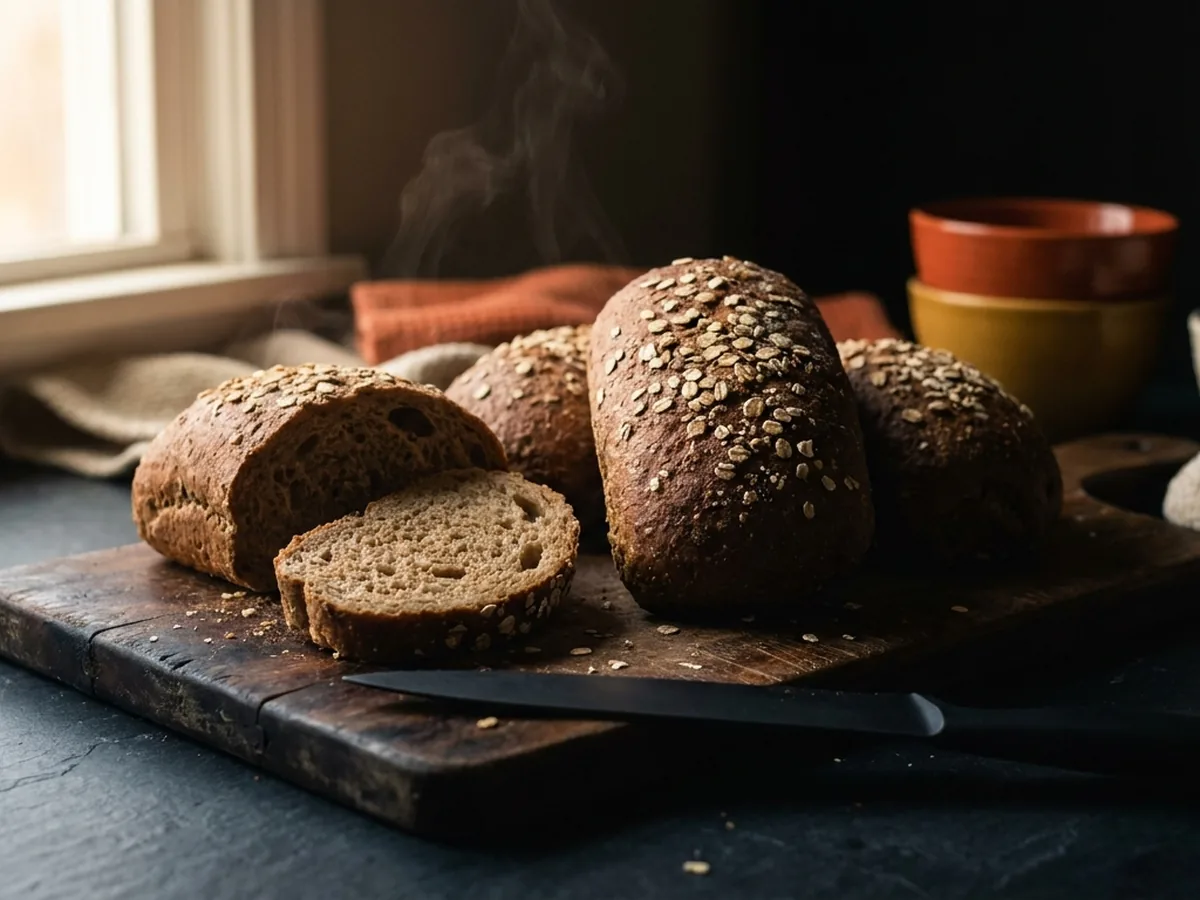
A soft honey-and-molasses wheat loaf coloured with cocoa, rolled in oats. Two and a half hours, mostly rising.