Domino's Pizza
Domino's Garlic and Herb Dip Copycat Recipe
The most requested copycat dip in Britain. Four minutes, six ingredients, and two decisions that most versions get wrong.
 food.fast
Takeaway taste, kitchen prices
Dough Balls and Garlic Butter, the Cheapest Restaurant Starter There Is
The starter that has been on a British menu since the 1960s, for about a tenth of the price.
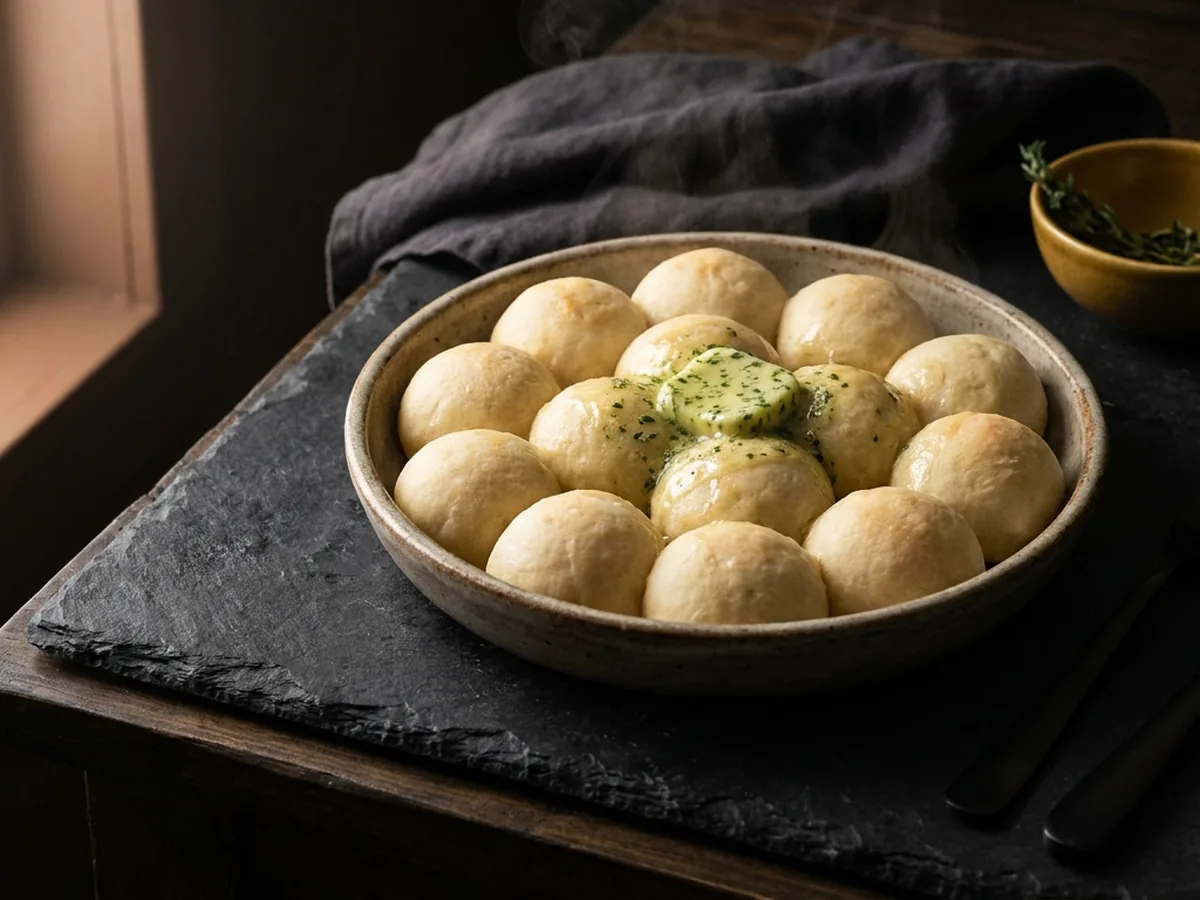
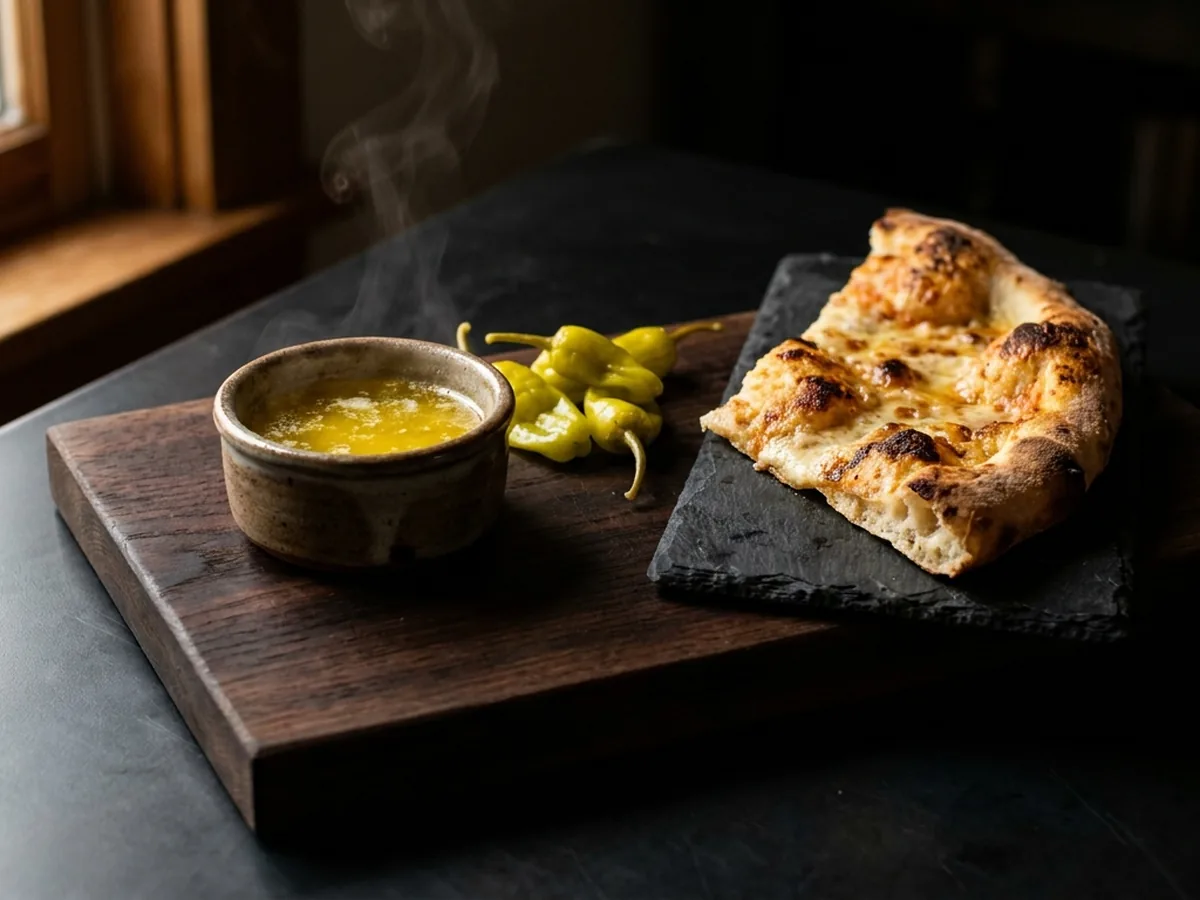
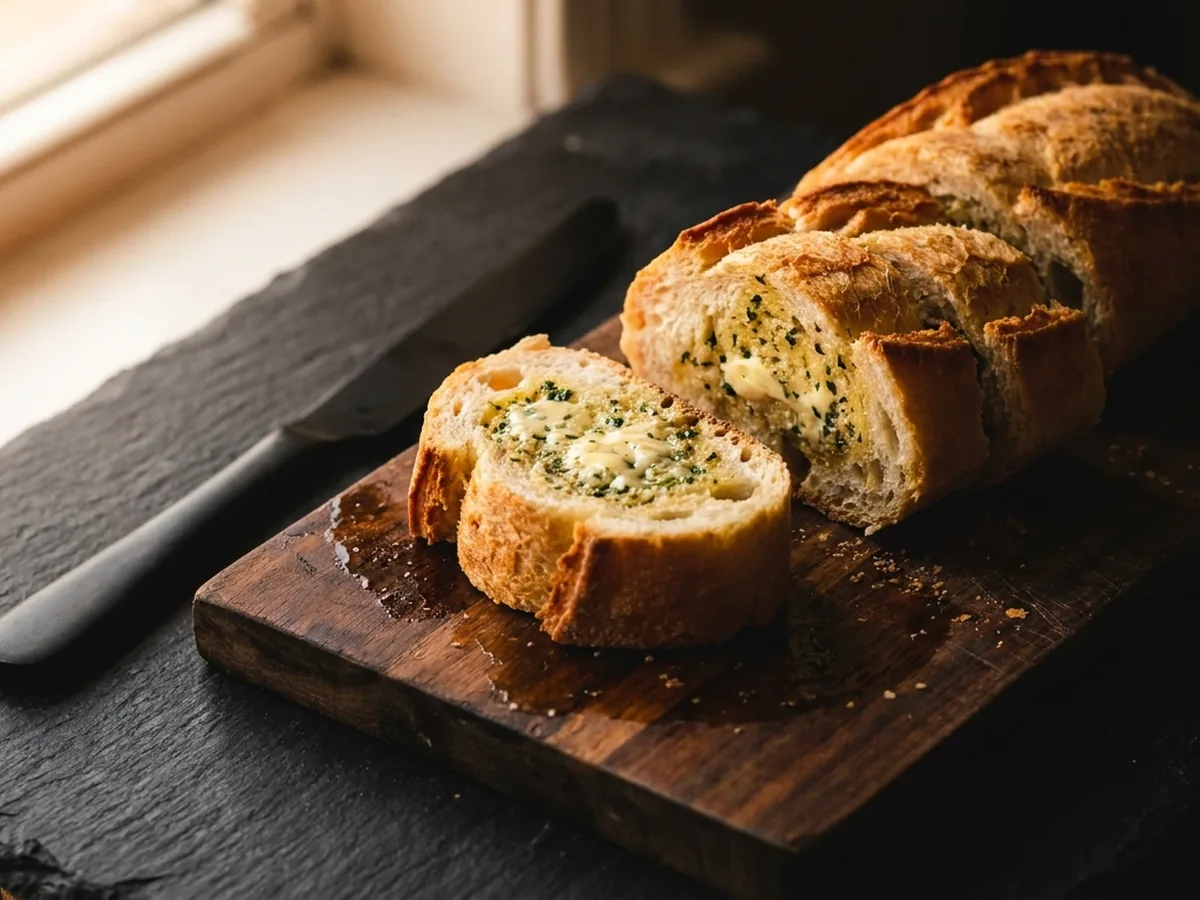
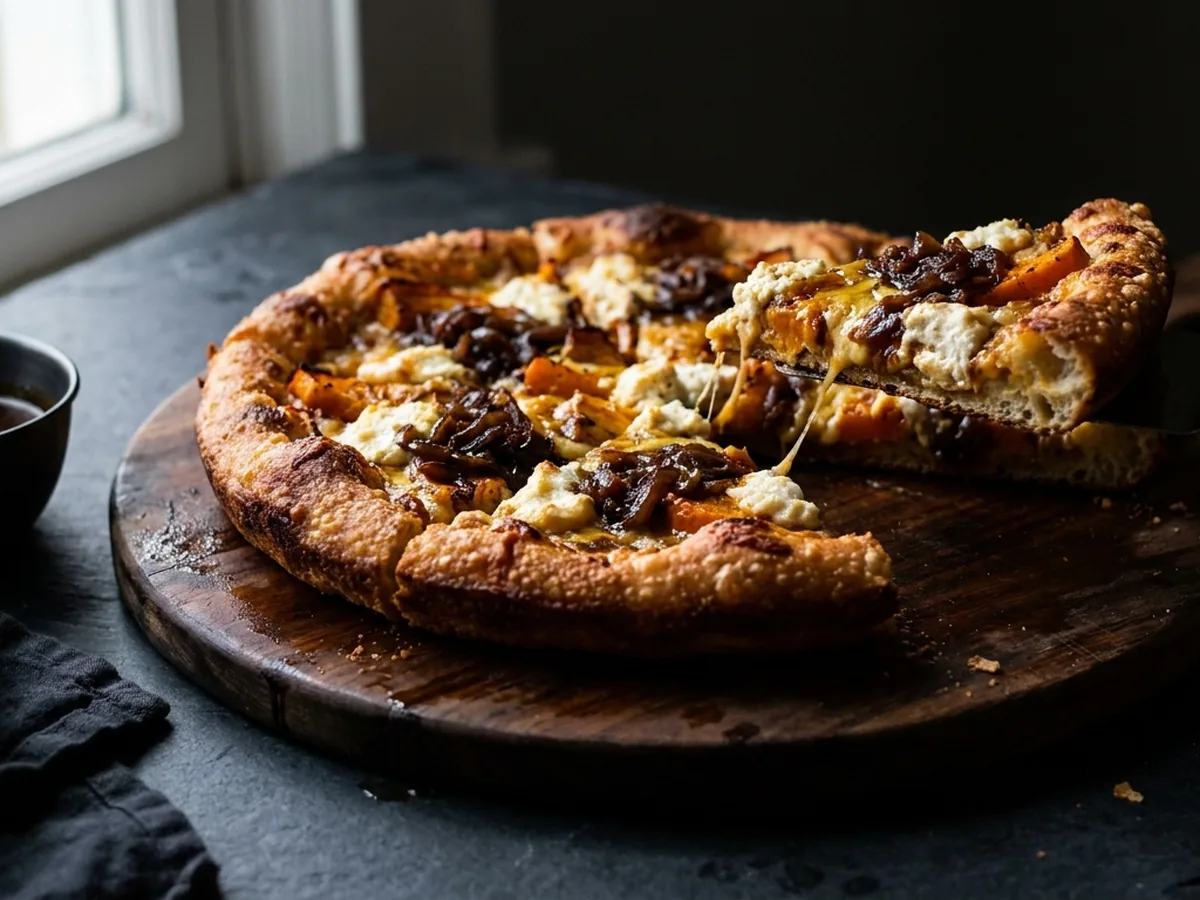
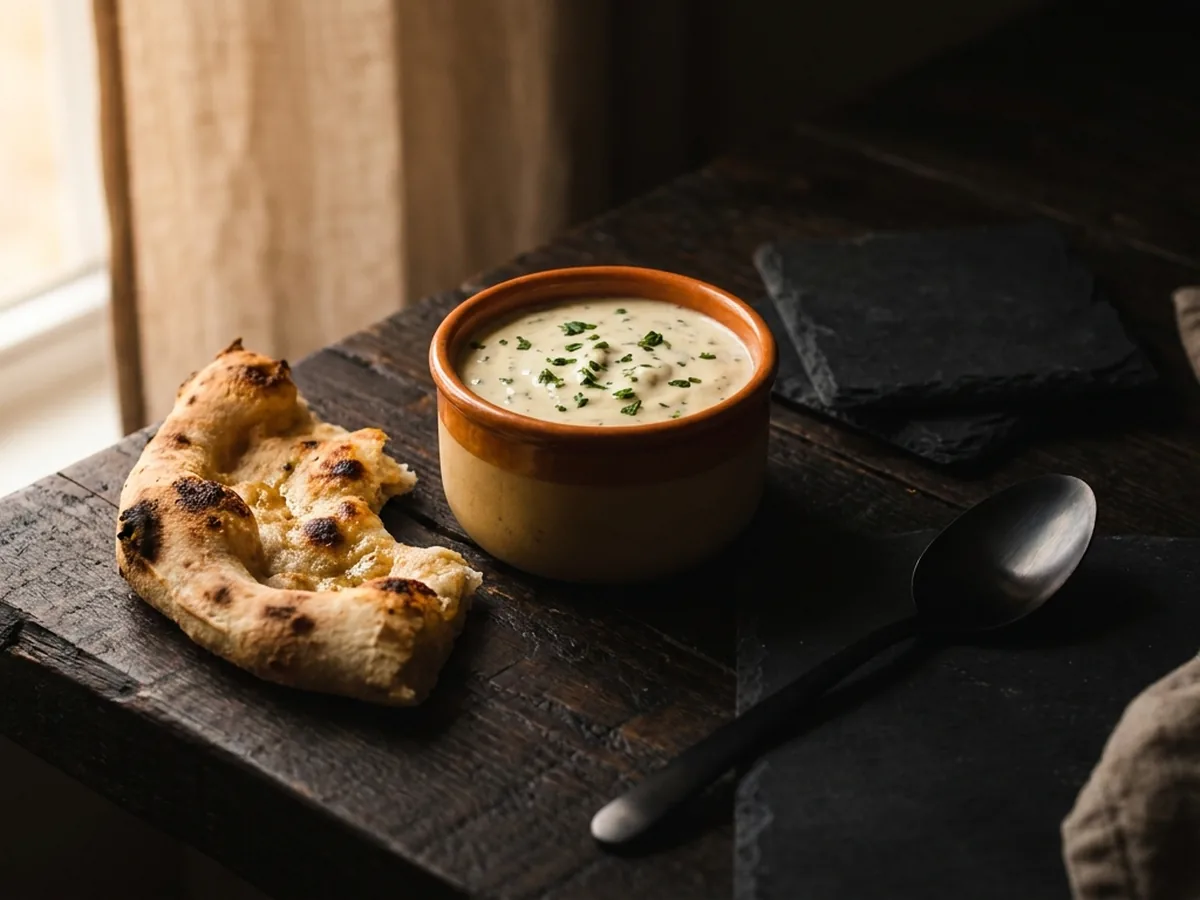
AI-generated illustration created for food.fast. It is not photographic evidence of a prepared batch.
Dough balls have been on the Pizza Express menu since the 1960s and they are, in cost terms, one of the most profitable items any restaurant sells: a small quantity of basic bread dough and a pat of butter, for seven pounds.
At home they cost about forty pence for twelve and they are genuinely better, because a dough ball is at its best four minutes out of the oven and the restaurant's have been sitting in a warming drawer.
The two things to get right are size and colour. They should be walnut-sized - about 30 g - and they should come out pale gold, not brown. A browned dough ball has a crust, and the whole point of the thing is that it has almost none: a thin skin over an entirely soft, steamy middle.
The method gives quantities, timings and observable cues rather than asking you to guess. The 4 cases in If it goes wrong explain likely causes and corrective action.
See the recipe verification standard · See how the cost is calculated
It sounds backwards. A hot oven usually means more colour, not less.
The logic is about time. A small ball of dough at 220 °C is cooked through in about fourteen minutes, and in that time the surface does not have long enough to develop much Maillard browning. The same ball at 180 °C takes twenty-two minutes, and over those extra eight minutes the surface dries out and browns properly.
So the hot oven is actually the gentler treatment, because it gets the inside cooked before the outside has time to become a crust.
The other half of it is crowding the dish. Bake them touching each other in a small tin or an ovenproof dish rather than spaced out on a tray. Where they touch they cannot brown at all, and they hold each other's steam in - which is why you pull them apart rather than pick them up.
Brush with oil before baking, not butter. Butter browns; oil does not.
Everything except the salt, rested ten minutes, then the salt in and kneaded until smooth and elastic.
About 18 minCovered bowl somewhere warm. It should double in volume and a finger pressed into it should leave a dent that fills back in slowly. In a cold kitchen give it ninety minutes rather than rushing the shaping.
About 1 hrRoll each under a cupped palm on an unfloured patch of worktop until the surface is smooth and taut. The tension is what makes them dome rather than spread.
Arrange them so they are just touching. They will rise into each other, which is the point.
About 30 minThey should be barely golden on top and completely pale where they touch. If they are browning at ten minutes, the oven is too hot.
About 14 minSoftened butter beaten hard with a fork until pale and fluffy, then the garlic, parsley, lemon and seasoning beaten through.
About 4 minStraight from the oven into a warm dish with the butter in the centre, where it melts into the gaps. Pull them apart rather than cutting them.
About 1 minShape the balls, arrange them in the dish, cover and freeze unbaked. Once solid, transfer to a bag - three months.
To bake from frozen: into the dish, covered, and leave at room temperature for two hours to thaw and prove. Then bake as written.
This is the version worth having, because dough balls take twenty minutes of work and fourteen minutes of baking, and splitting those apart means the work happens on a Sunday and the baking happens when somebody wants them.
The garlic butter also freezes as a log for three months. Together, the two frozen components mean a restaurant starter in twenty minutes with no work.
| Component | Amount | Cost |
|---|---|---|
| Bread flour | 300 g | £0.32 |
| Yeast, sugar, salt, oil | - | £0.12 |
| Butter | 100 g | £0.28 |
| Garlic and parsley | - | £0.06 |
| Twelve at home | £0.78 | |
| One restaurant portion of eight | £6.95 |
A 1 cm cube of low-moisture mozzarella pressed into the centre of each ball before rolling. Seal carefully or it escapes.
Brush with oil and sprinkle with grated parmesan and dried oregano before baking. No longer pale, and very good.
180 °C for 9 minutes, in a single layer. Works well and they brown slightly more than in an oven.
Each entry names a likely cause as well as a correction, so the advice remains useful when equipment, ingredients or batch size differ.
The recipes that go with this one, or that use what you have just made.
The most requested copycat dip in Britain. Four minutes, six ingredients, and two decisions that most versions get wrong.
Butter with the milk solids skimmed off, garlic powder and salt. Six minutes, and the skimming is what keeps it clear…
A baguette, a compound butter with peri-peri in it, twelve minutes in the oven. About twenty pence a portion.
Three tablespoons of oil in the tin, a dough that proves where it bakes, and a base that fries from underneath. The o…