Starbucks
Starbucks Pumpkin Spice Latte Copycat Recipe
A pumpkin spice sauce made in fifteen minutes that keeps two weeks, and the drink built from it in ninety seconds.
 food.fast
Takeaway taste, kitchen prices
Vanilla Syrup: Four Minutes, and the Cheapest Habit-Breaker Here
One bottle, four minutes, and a coffee habit that stops costing what it costs.
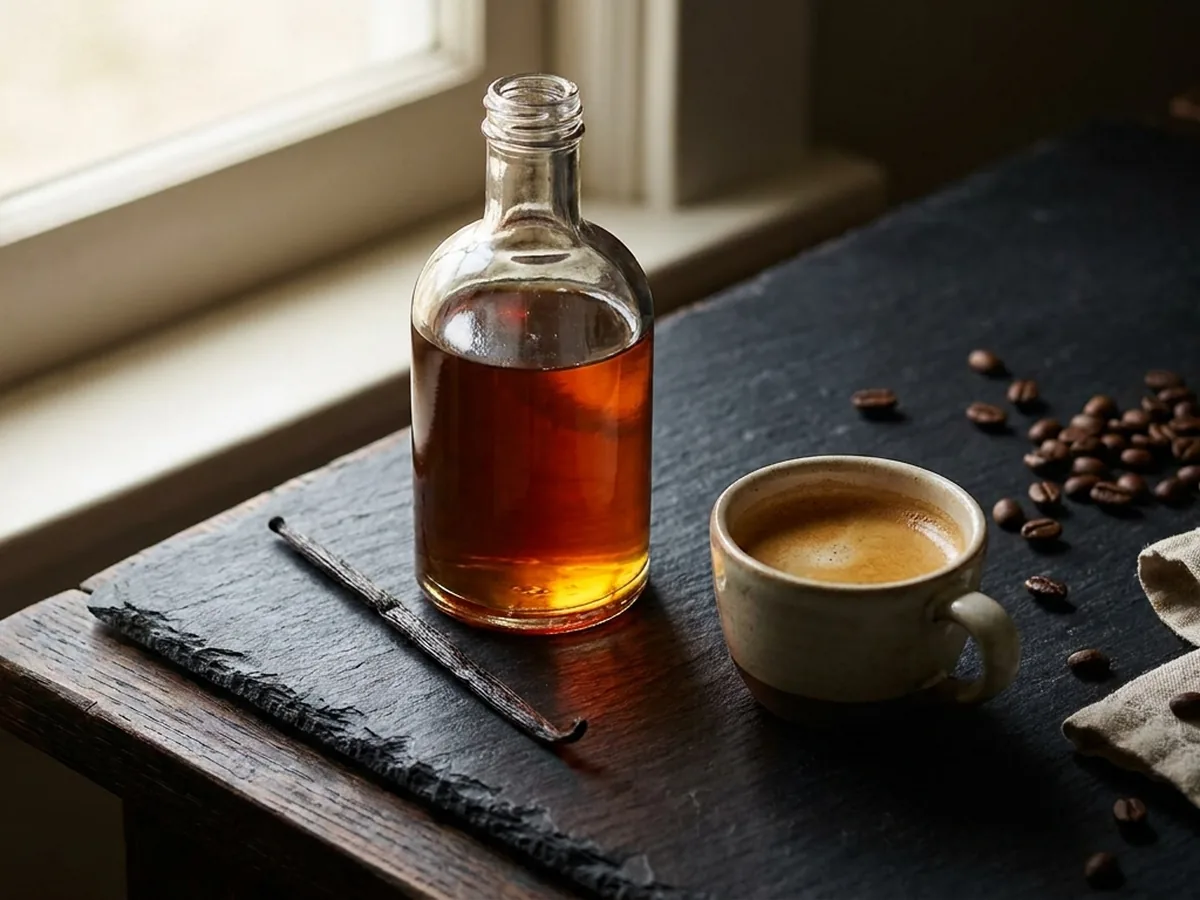
AI-generated illustration created for food.fast. It is not photographic evidence of a prepared batch.
This is the highest-return recipe on this entire site measured in money per minute of effort. A bottle of coffee syrup retails for around five pounds. The ingredients here cost about forty pence and it takes four minutes.
It is also the base for everything else in the coffee section. Hazelnut, caramel, cinnamon, gingerbread, brown sugar - all of them are this recipe with something else steeped into it, and the variations at the bottom of this page cover the ones worth making.
The only technical point worth knowing is the ratio. Starbucks uses a rich syrup - closer to two parts sugar to one part water by volume than the 1:1 simple syrup most recipes give you - which is why their syrups are thick, keep for months and do not water a drink down.
The method gives quantities, timings and observable cues rather than asking you to guess. The 4 cases in If it goes wrong explain likely causes and corrective action; 1 ingredient note explains choices that materially affect the result.
See the recipe verification standard · See how the cost is calculated
A simple syrup is equal volumes of sugar and water. It is thin, it is easy, and it keeps about a month in the fridge.
A rich syrup is two parts sugar to one part water. It is noticeably thicker, sweeter per spoonful and keeps for six months, because the sugar concentration is high enough to inhibit microbial growth on its own.
For coffee the rich syrup wins on three counts. You add less liquid to the drink for the same sweetness, so an iced latte does not end up watery. It clings slightly, so a drizzle stays visible. And it lasts long enough that a bottle in the fridge door is not a race against time.
The trade-off is that it needs actual heat to dissolve - two parts sugar will not dissolve in one part cold water however long you stir. Four minutes at a simmer does it.
Vanilla extract is what this recipe is written for. Two tablespoons for a 1.5-cup batch, added off the heat, because the aromatic compounds in vanilla are volatile and boil away. This is the practical choice and it is what the commercial syrups use.
Vanilla bean paste is extract with seeds suspended in it. Same quantity, added the same way, and it gives you the black specks that make a drink look like it cost more. Worth it if you have it.
A whole pod is the best and the fussiest. Split it, scrape the seeds into the syrup at the start, and drop the pod in too. Simmer with the pod in, then leave it in the bottle for a week. The result is genuinely better than any extract and the pod costs more than the rest of the recipe put together.
Vanilla essence - the synthetic one - is not the same thing and tastes of it. In a syrup with nothing to hide behind, the difference is obvious.
An eighth of a teaspoon in a whole batch is far below the threshold where you would taste salt. What it does is suppress the perception of bitterness in whatever you put the syrup in, which makes coffee taste rounder and less sharp. Leave it out and the syrup tastes thinner in a drink even though it is identical in the bottle.
Medium heat. It will look cloudy, then suddenly go completely clear as the last crystals dissolve. That clearing is your signal.
About 3 minOnce it is clear, stop stirring - agitating a hot sugar solution encourages crystals to re-form on the pan sides. Let it bubble gently for two minutes.
Off the hob first. Vanilla added to boiling syrup loses most of its aroma to the steam - you will literally smell it leaving.
About 1 minHot syrup into a cold bottle can crack it, and a sealed hot bottle draws in condensation that shortens the shelf life.
About 1 hrA Starbucks pump delivers roughly 15 ml, and their drinks carry a lot of them: a tall gets three, a grande four, a venti five or six.
At home, start with two teaspoons (10 ml) per cup and adjust. Most people find shop drinks noticeably too sweet once they have been making their own for a fortnight, and the recalibration happens fast.
Rough guide, for a rich syrup:
| Drink | Syrup | Notes |
|---|---|---|
| Latte or flat white, 240 ml | 2 tsp | Barely sweet, coffee-forward |
| Iced latte, 350 ml | 1 tbsp | Ice dilutes - needs a little more |
| Cold brew, 300 ml | 2 tsp | Cold brew is already low in acid |
| Hot chocolate | 1 tsp | The chocolate is already sweet |
| Frappuccino-style blend | 1½ tbsp | Freezing suppresses sweetness |
Freezing genuinely does suppress perceived sweetness, which is why blended drinks need more syrup than hot ones to taste the same.
Every flavour below starts with the base above. Steeped ingredients go in during the simmer and are strained out; extracts go in off the heat.
| This recipe | Retail syrup | |
|---|---|---|
| Cost for 360 ml | £0.42 | £4.20 |
| Time to make | 4 minutes | - |
| Shelf life | 6 months refrigerated | 12 months ambient |
| Cost per drink (10 ml) | 1.2p | 12p |
| Cost per year, one drink a day | £4.30 | £42.70 |
Allulose works best and behaves almost like sugar. Erythritol crystallises badly on cooling. Sucralose gives a thin syrup with no body - add ¼ tsp of xanthan gum if you use it.
One split pod, seeds scraped in, pod simmered and then left in the bottle. Better than any extract.
Not a syrup - 2 parts double cream to 1 part whole milk plus 2 tbsp of this syrup, frothed cold. This is what goes on a cold brew.
Each entry names a likely cause as well as a correction, so the advice remains useful when equipment, ingredients or batch size differ.
The recipes that go with this one, or that use what you have just made.
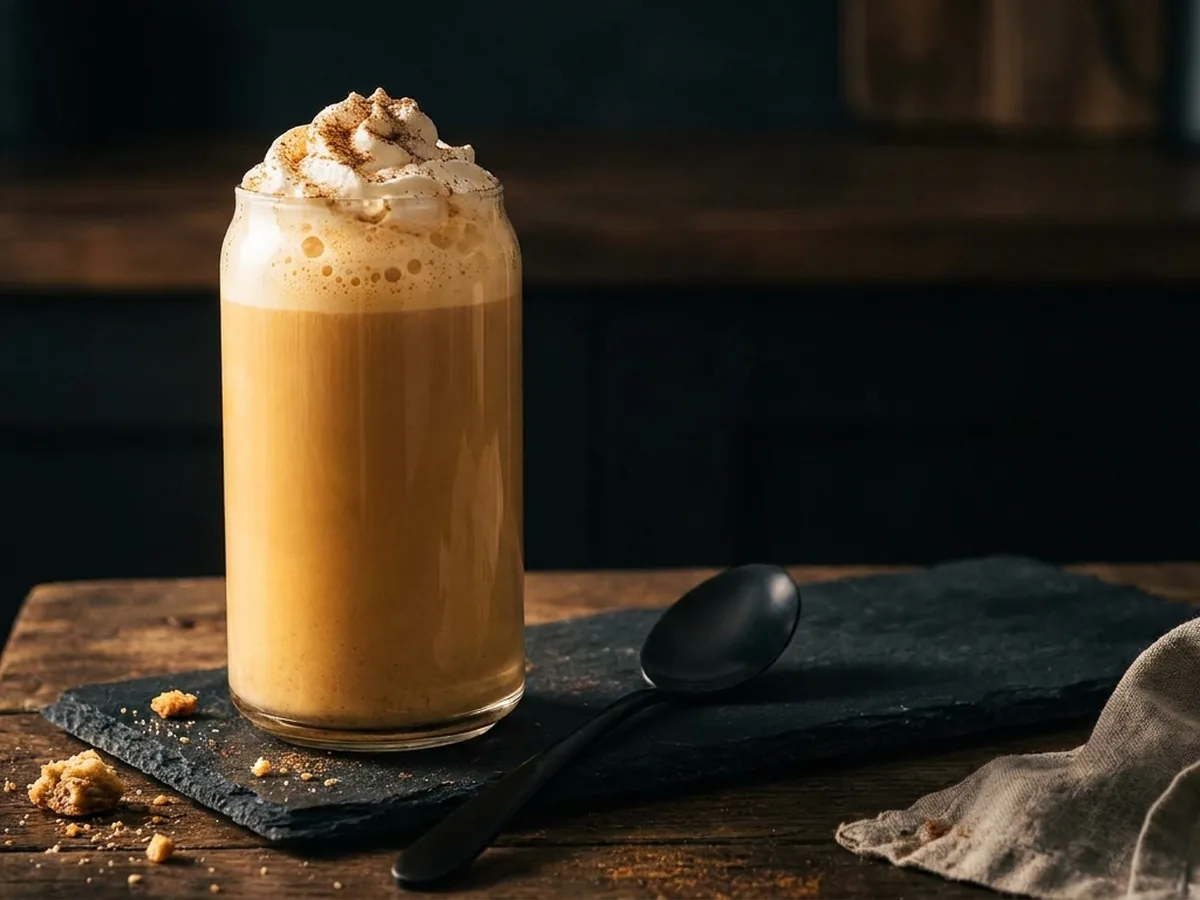
A pumpkin spice sauce made in fifteen minutes that keeps two weeks, and the drink built from it in ninety seconds.
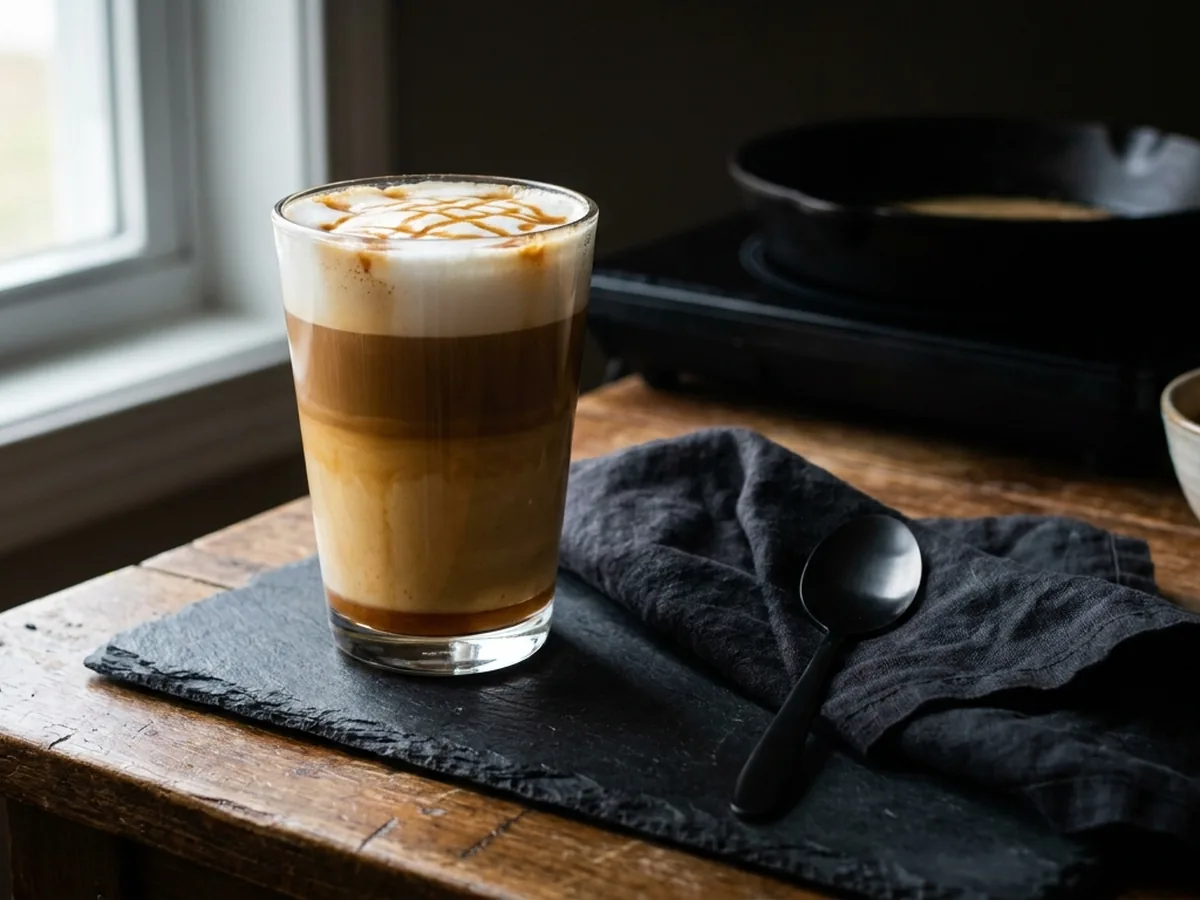
Vanilla syrup, milk, espresso poured last so it marks the foam, and a caramel drizzle. Two minutes once the syrup is made.
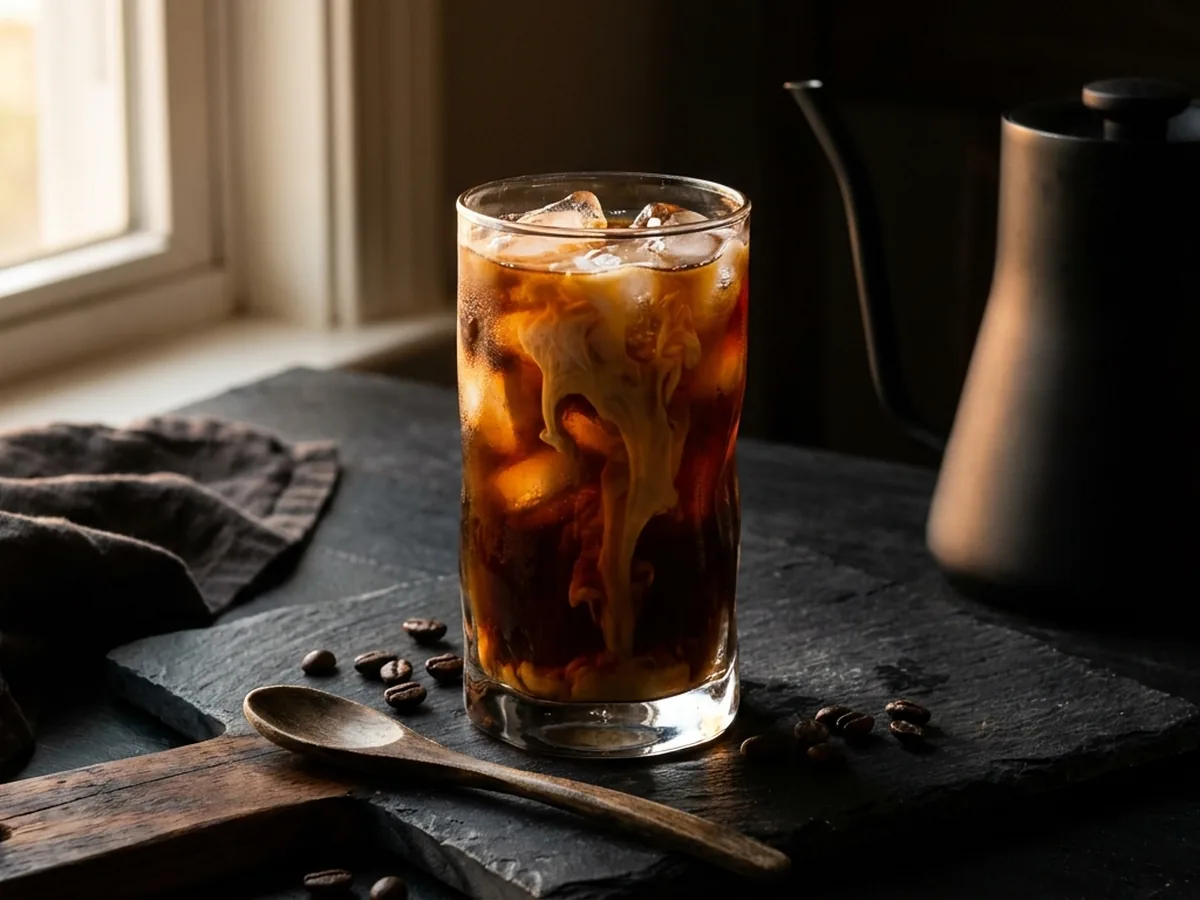
Coffee steeped in cold water for sixteen hours, and a frothed vanilla cream that cascades through it. Five minutes of work.
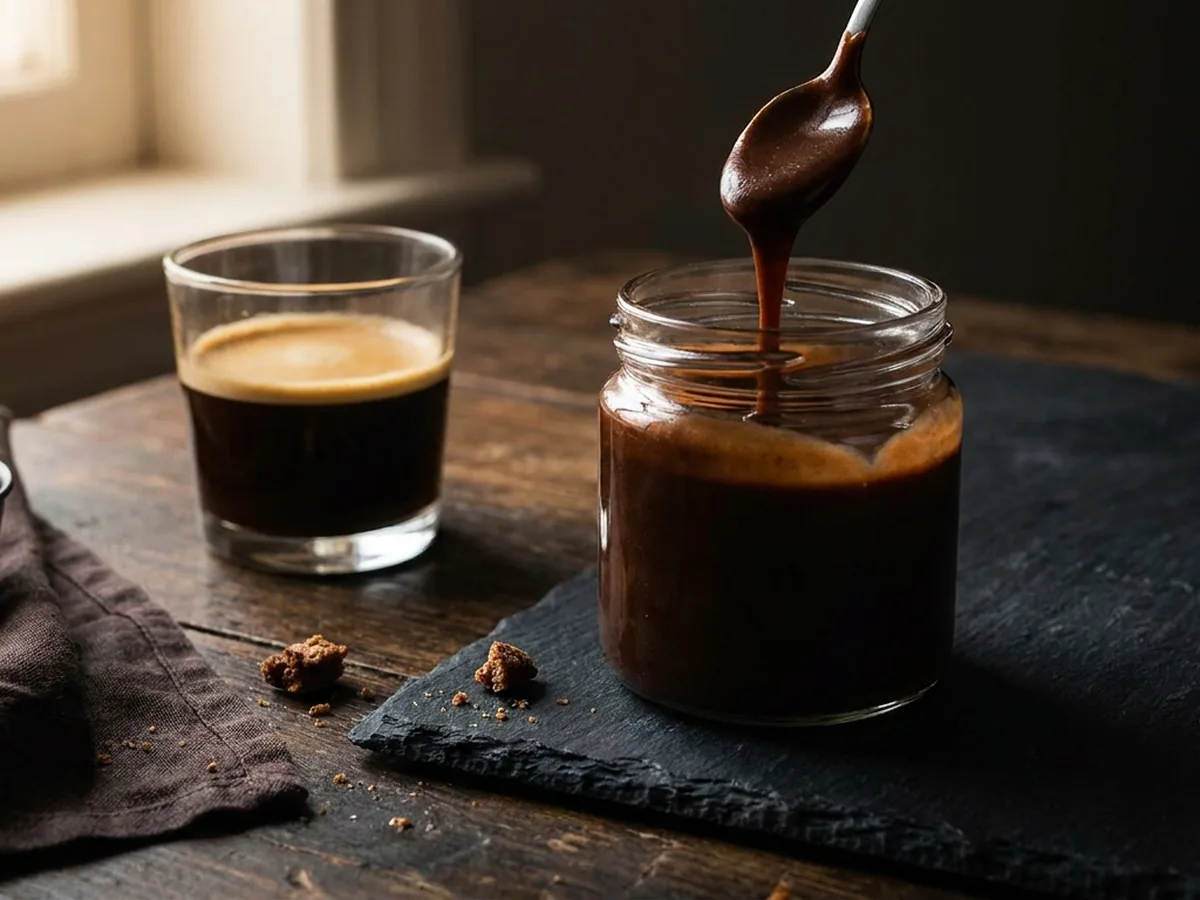
Cocoa, sugar and condensed milk cooked into something that clings. Eight minutes, and the reason home mochas taste thin.