Subway
Subway Sweet Onion Sauce Copycat Recipe
A fat-free sweet-and-sour glaze thickened with cornflour. Ten minutes, and every version built on mayonnaise fails.
 food.fast
Takeaway taste, kitchen prices
The Bread: Sweet, Soft, and Deliberately Under-Baked
The bread people actually miss, which is softer and sweeter than any loaf you would call good.
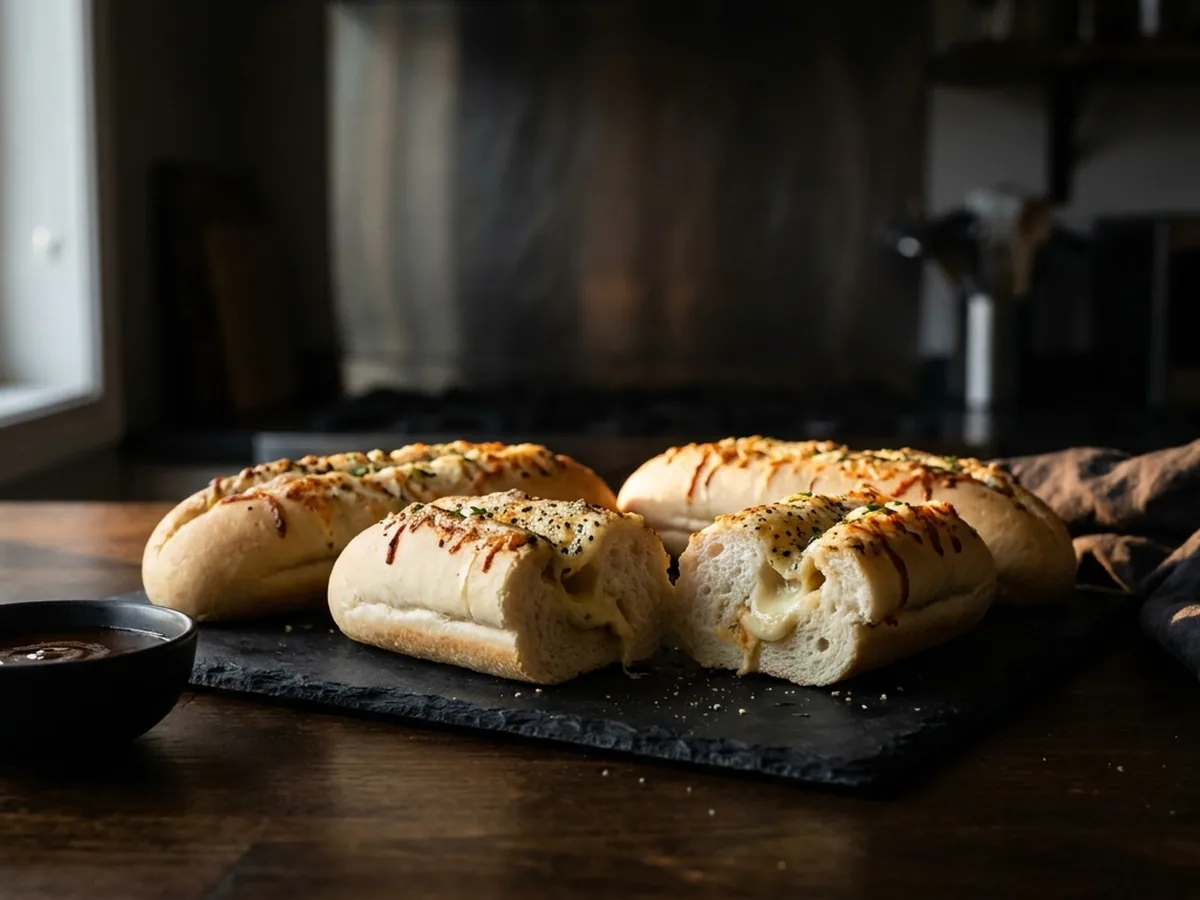
AI-generated illustration created for food.fast. It is not photographic evidence of a prepared batch.
Strip away everything else and Subway is a bread company with a salad bar attached. The proteins are ordinary, the vegetables are the vegetables you have at home, and what people miss when they stop going is the bread - specifically this one.
It is worth being honest about what it is: a very soft, quite sweet, heavily enriched white bread baked deliberately pale, with a cheese and herb topping applied near the end. By the standards of good bread it is under-baked and over-sweetened. By the standards of a sandwich roll that has to be squashed flat, cut, filled and folded without cracking, it is precisely engineered.
So the instinct that ruins this recipe is the instinct to bake it properly. A golden, crusty, well-developed loaf is a good loaf and a bad copy.
The method gives quantities, timings and observable cues rather than asking you to guess. The 5 cases in If it goes wrong explain likely causes and corrective action.
See the recipe verification standard · See how the cost is calculated
An enriched dough contains fat, sugar, dairy or egg - anything beyond flour, water, salt and yeast. This one has oil, sugar and milk powder, and each does something specific.
Fat coats gluten strands and physically shortens them, which gives a softer, more tender crumb and a bread that tears rather than chews.
Sugar feeds the yeast, holds water in the finished crumb so it stays soft for days, and caramelises on the surface at a lower temperature than starch does.
Milk powder contributes lactose, which browns readily, and milk proteins, which soften the crumb further. It is the ingredient almost no home recipe includes and every commercial bakery uses.
The trade-off is that enriched doughs rise more slowly - fat interferes with gluten development and sugar competes with the yeast for water - which is why this one uses more yeast than a lean dough and takes ninety minutes rather than sixty.
Subway's rolls are baked in perforated trough pans, which is what gives them a flat bottom, a domed top and straight sides that hold a filling.
Baked free-form on a flat tray, the same dough spreads sideways and you get a wide, flattish roll that will not hold anything.
Two ways around it:
Foil troughs. Fold a double layer of heavy foil into a U-shaped channel about 7 cm wide and 4 cm deep, and stand two or three of them side by side on a tray, supporting each other. Oil them well. This works properly and costs nothing.
A baguette tray - the corrugated metal kind - is the shop-bought answer and is not expensive.
Whichever you use, oil it generously. This dough is sticky and it will weld itself to bare metal.
Everything except the salt, rested ten minutes, then salt in and kneaded. Enriched doughs take longer to come together - it will look greasy and unpromising for the first five minutes and then suddenly turn smooth.
About 22 minCovered, somewhere warm. Enriched doughs rise more slowly than lean ones; do not rush it.
About 1 hr 30 minFlatten each piece into a rectangle, fold the long sides into the middle, then roll it up tightly from the long edge and seal the seam by pinching. Roll gently under your palms to lengthen to 30 cm.
They should nearly fill the trough and feel pillowy. A fingertip dent should spring back slowly.
About 1 hrSlash about 5 mm deep with a very sharp blade in one confident movement each. A hesitant cut drags the dough.
About 2 minThey should be barely blond. If they are going golden at ten minutes, drop the oven by 10 degrees. Pale is the target.
Out of the oven, scatter the cheese and herb mixture along the top of each roll, and back in for four minutes until the cheese has just melted and is starting to colour at the edges.
About 4 minCutting hot bread compresses the crumb. Ten minutes is enough for these.
About 10 minThe base dough covers most of the range:
The topping timing is the thing to pay attention to. Cheese from the start of an 18-minute bake burns; parmesan alone survives it.
This bread stales faster than a lean loaf in one sense and slower in another. The high sugar and fat hold moisture, so the crumb stays soft for three days. The thin crust, though, goes leathery within hours of baking.
Wrap them in a bag once completely cool - not before, or condensation makes them soggy. They will be soft for three days.
To refresh: 30 seconds in a microwave inside a slightly damp piece of kitchen paper. This is one of the few breads where microwaving genuinely works, because you are re-hydrating a soft crumb rather than trying to recrisp a crust.
They freeze extremely well. Baked, cooled, bagged, three months. Thaw at room temperature for an hour or microwave from frozen for 45 seconds.
| Ingredient | Baker's % | For 500 g flour | For 1 kg flour |
|---|---|---|---|
| Strong white flour | 100% | 500 g | 1000 g |
| Water | 60% | 300 g | 600 g |
| Sugar | 6% | 30 g | 60 g |
| Oil | 5% | 25 g | 50 g |
| Milk powder | 4% | 20 g | 40 g |
| Salt | 2% | 10 g | 20 g |
| Instant yeast | 2% | 10 g | 20 g |
2 tbsp of honey in the dough, and roll the shaped logs in oats after brushing with water.
100 g of the flour swapped for wholemeal, plus a tablespoon of honey.
Parmesan and oregano only, applied from the start of the bake so it toasts rather than melts.
Each entry names a likely cause as well as a correction, so the advice remains useful when equipment, ingredients or batch size differ.
The recipes that go with this one, or that use what you have just made.
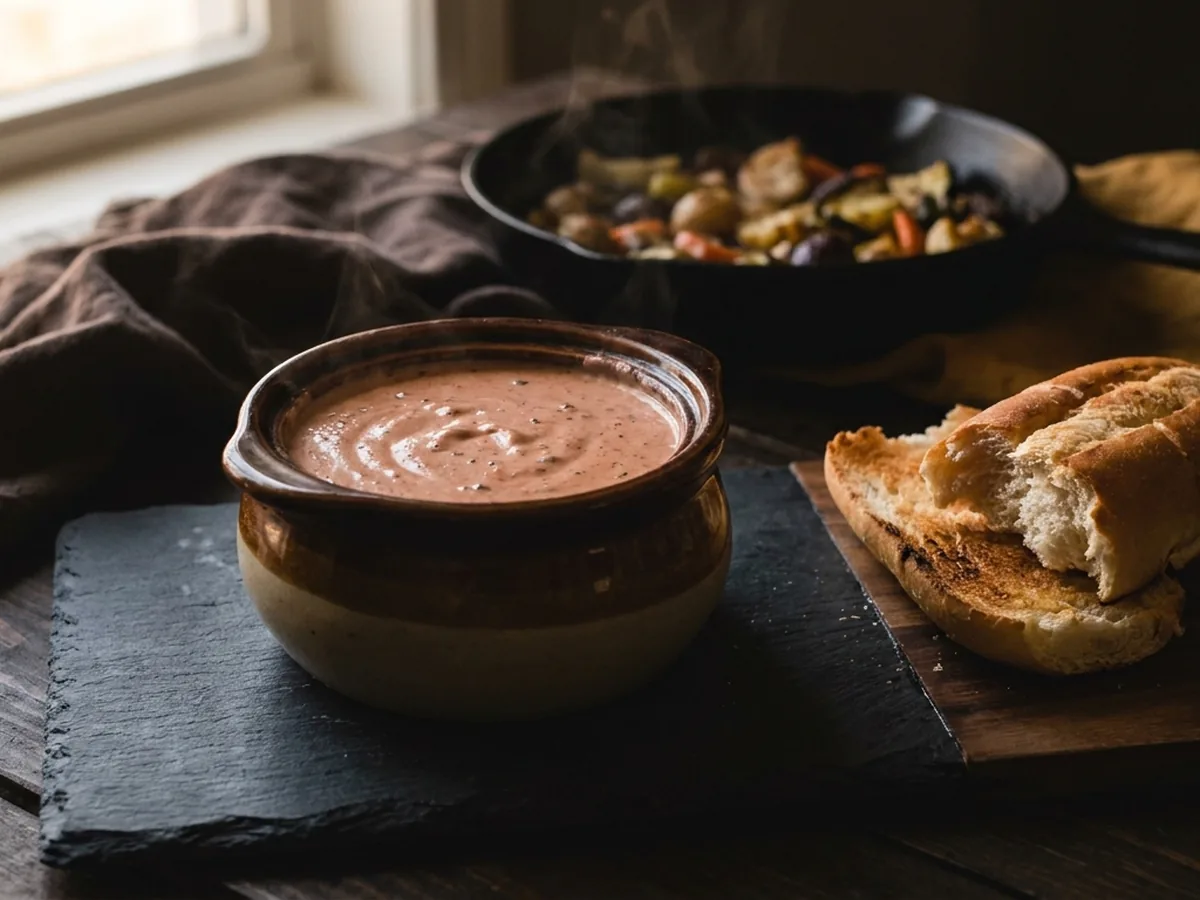
A fat-free sweet-and-sour glaze thickened with cornflour. Ten minutes, and every version built on mayonnaise fails.
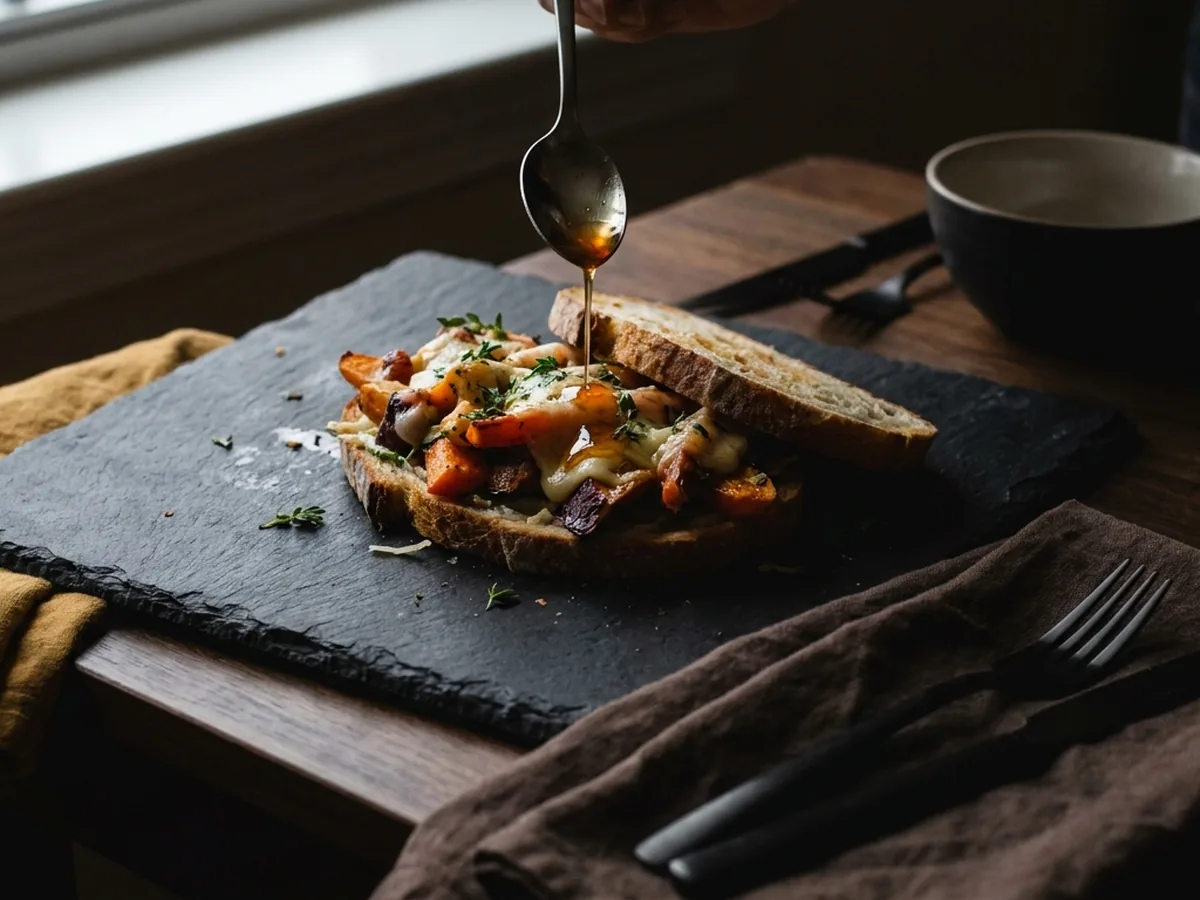
A smoky mayonnaise built on the sauce from a tin of chipotles in adobo, not on chipotle powder. Six minutes.
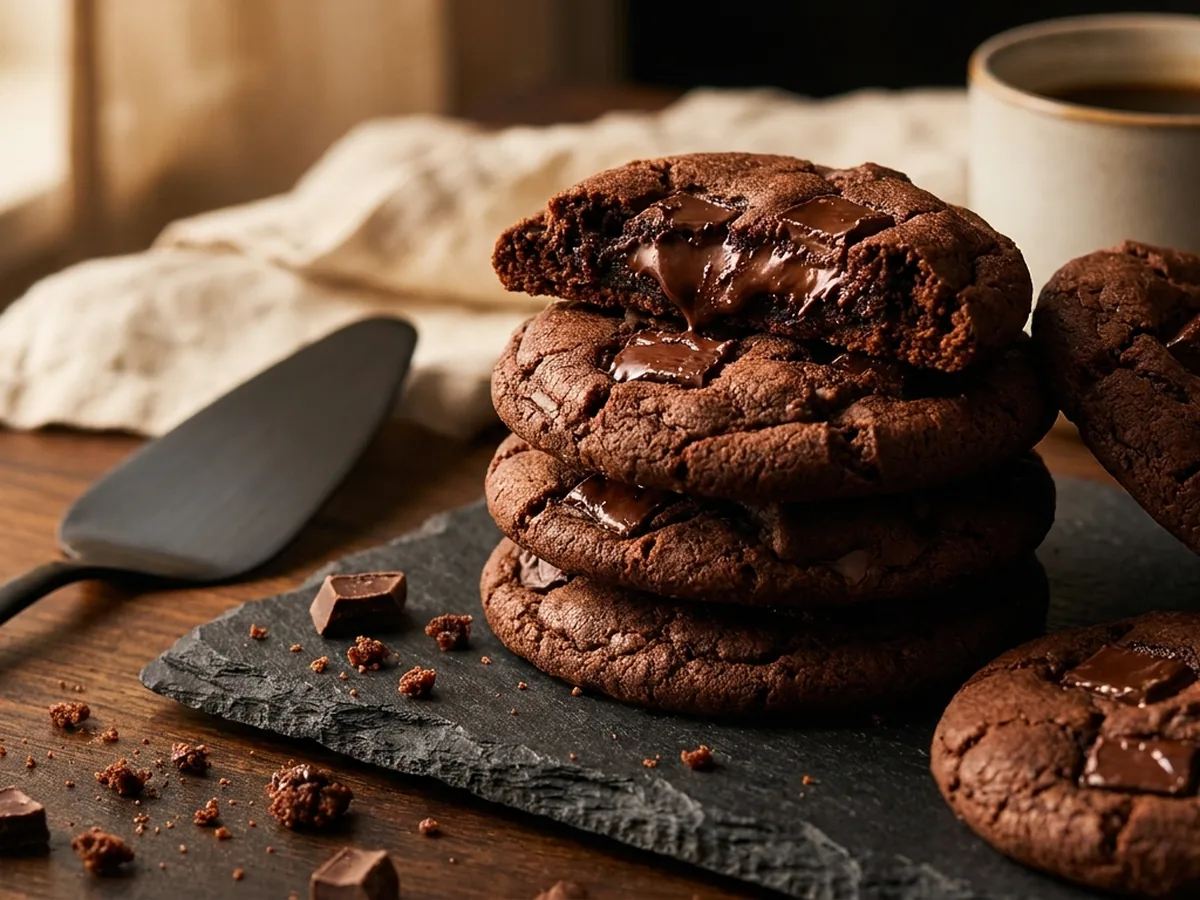
Thick, soft and deliberately under-baked so the middle stays molten. Twenty minutes, and the timing is the entire recipe.
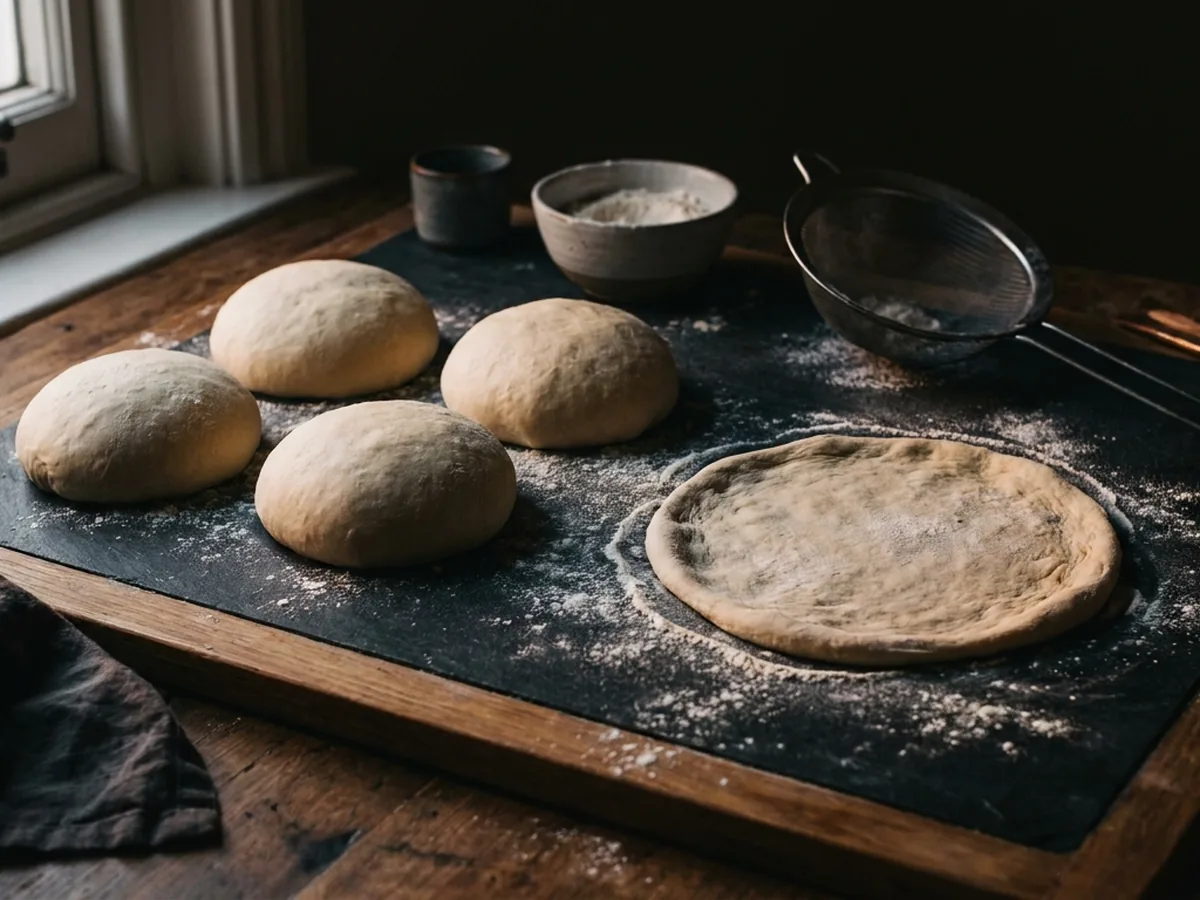
A pressed rather than tossed dough, cold-fermented for two days. Fifteen minutes of work, and the fridge does the rest.