
Costa Flat White Copycat Recipe
Two ristretto shots, 130 ml of milk steamed to a wet paint texture, no foam cap. The dark-roast bean is what makes it…
 food.fast
Takeaway taste, kitchen prices
Britain's biggest coffee chain - and a flat white habit that adds up faster than people think.
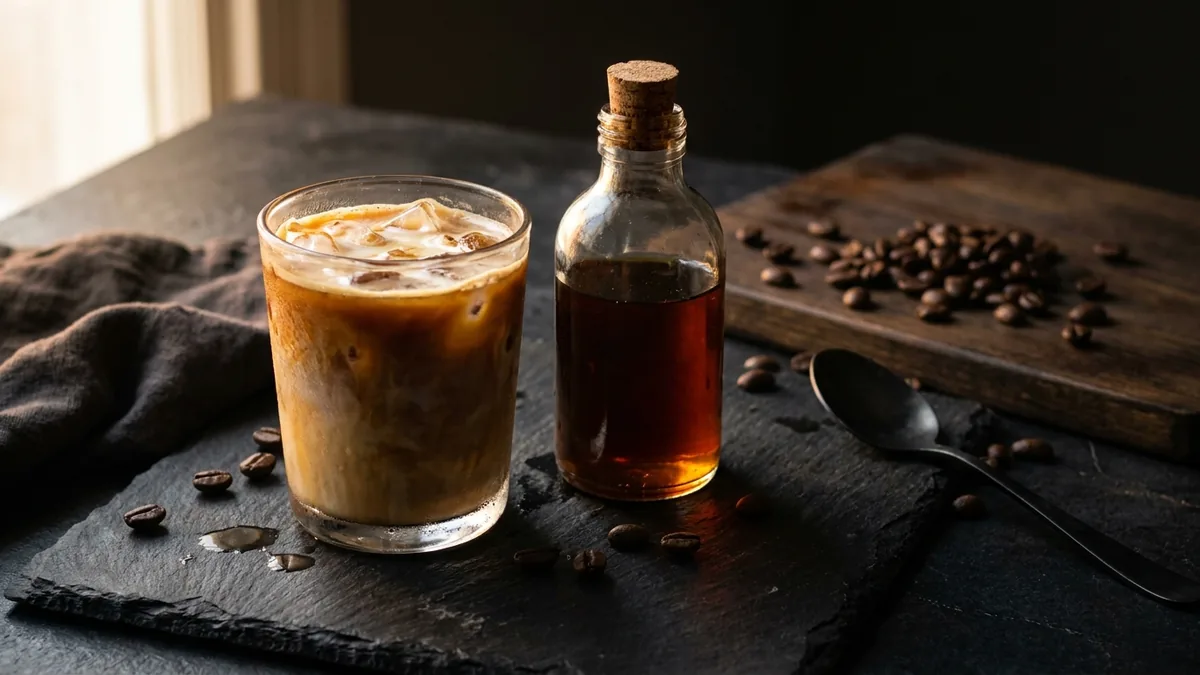
AI-generated editorial illustration created for food.fast; not a product photograph from Costa Coffee.
Not every menu item has a recipe here, and that is deliberate - We write a page when there is something genuinely worth saying about how to make the thing.
Two ristretto shots, 130 ml of milk steamed to a wet paint texture, no foam cap. The dark-roast bean is what makes it…
Darker roast, more body. Costa's Mocha Italia blend is roasted well past the third-wave standard, which gives the chocolatey, low-acid, slightly bitter character people recognise. A supermarket Italian-style espresso blend is a far closer match than a light single origin, and if your home version tastes brighter and more acidic than the shop's, that is the bean rather than the method.
The milk is steamed hotter than speciality shops steam it. Around 68 °C against the 60 to 65 a specialist would use, which is what gives the familiar slightly-cooked sweetness. It is past the point where most baristas would say the milk is at its best, and it is what a large part of the country is used to.
You do not need an espresso machine for most of it. A moka pot and a £6 handheld frother cover the entire milk-drink menu, because in a 300 ml flat white the coffee is one component among three. The short drinks are where a machine earns its place.
The syrups are the profitable part, exactly as at every other chain, and a bottle costs about forty pence to make at home.
Costa is the British high-street default. It has more outlets in the UK than any other coffee chain, it is in petrol stations and hospitals and motorway services, and for a very large number of people it is simply what coffee is.
Which makes it the clearest illustration of this site's whole premise. A daily flat white at £3.75 is close to a thousand pounds a year. The ingredients in that drink - a double shot of coffee and 200 ml of milk - cost somewhere around thirty pence. Nothing about the drink is difficult and nothing about it requires equipment most kitchens could not accommodate.
A home espresso set-up pays for itself in three to six months at that rate. And for anybody unwilling to spend that, a £20 moka pot and a £6 handheld milk frother produce a flat white considerably closer than most people expect, because the difference a machine makes is largest in the short drinks and smallest in the long milky ones.
Costa's roast is the thing to match. It is darker and more chocolatey than the third-wave standard, low in acidity and quite bitter by speciality standards - which is a deliberate choice for a national palate, and it means the bean you buy matters more than the machine you buy. A supermarket Italian-style espresso blend gets you far closer than a light single origin brewed on better equipment.
What else people compare Costa Coffee against, and what we hold for each.
 Starbucks
6 copycat recipes
 Dunkin'
2 copycat recipes
 Pret A Manger
1 copycat recipe
 Black Canyon Coffee
1 copycat recipe
 Coffee World
1 copycat recipe
Costa Coffee is a trademark of its owner. food.fast is independent and is not affiliated with, endorsed by or sponsored by Costa Coffee. Recipes on this page are our own interpretations, not the company’s formulas.