Chili's
Chili's Skillet Queso Copycat Recipe
Cheese, chilli and a little seasoned beef, served in a hot skillet so it stays molten. Twelve minutes, one pan.
 food.fast
Takeaway taste, kitchen prices
Twelve Minutes, Not Fourteen - the Timing Is the Recipe
A centre that actually flows, which is a timer decision rather than a skill.
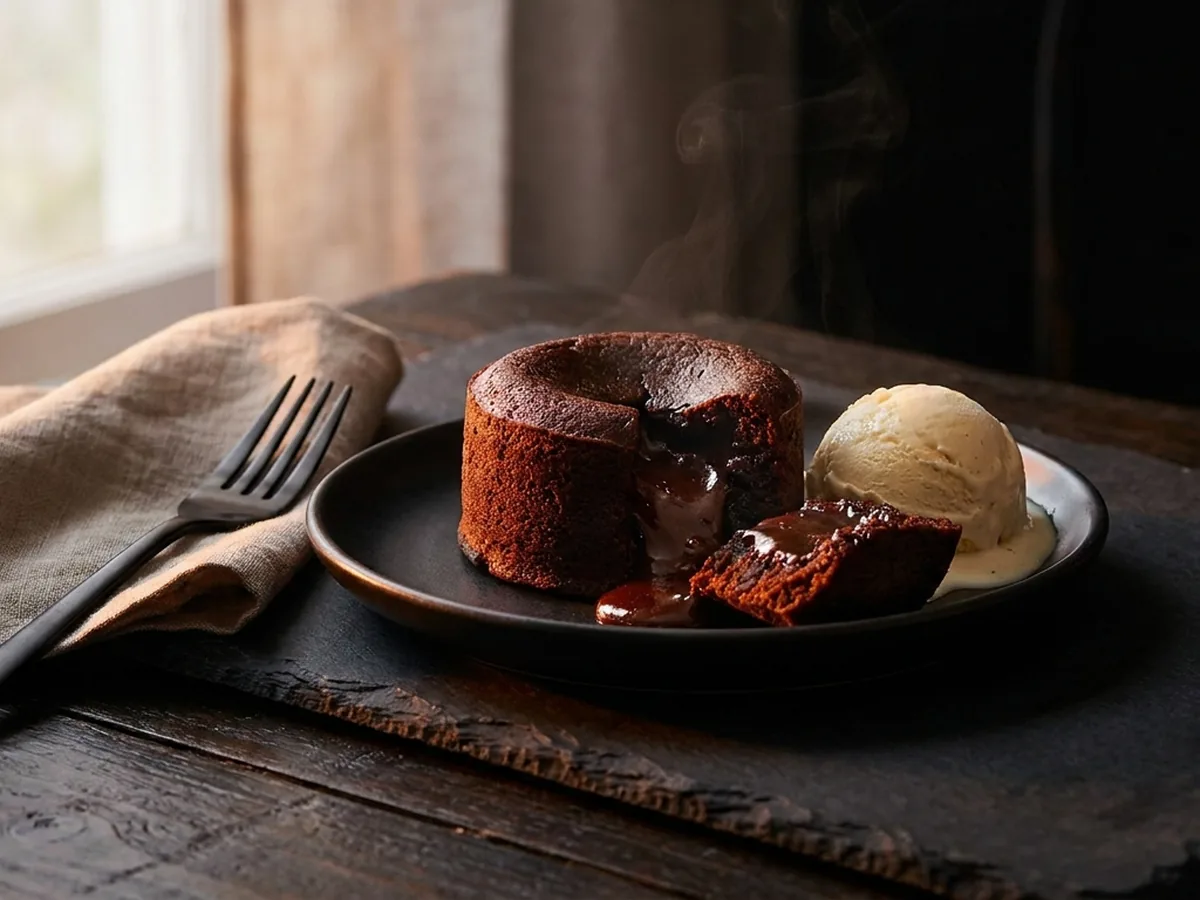
AI-generated illustration created for food.fast. It is not photographic evidence of a prepared batch.
The molten chocolate cake is a restaurant dish that is trivially easy at home and has an intimidating reputation, and the reputation comes entirely from one thing: it is not a difficult recipe, it is a precise one.
The batter is a straightforward melted-chocolate-and-egg sponge. What makes it molten is that it comes out of the oven when the edges have set and the middle has not. Twelve minutes at 200 °C in a 175 ml ramekin. Fourteen minutes gives you a perfectly nice chocolate pudding with no flow at all.
There is no trick beyond that. No ganache buried in the middle, no frozen chocolate truffle - although the variations cover that as a safety net for anybody who wants insurance.
The method gives quantities, timings and observable cues rather than asking you to guess. The 5 cases in If it goes wrong explain likely causes and corrective action; 1 ingredient note explains choices that materially affect the result.
See the recipe verification standard · See how the cost is calculated
Heat travels inward from the outside of a ramekin. The batter nearest the walls sets first; the centre is still liquid batter until the heat reaches it.
The window in which the edges are cooked and the centre is not is about two minutes wide. Before it, the cake will not hold its shape when turned out. After it, there is no flow.
Three things that widen the window:
Butter and cocoa the ramekins, rather than butter and flour. Cocoa does the same job as flour - stopping it sticking - without leaving a pale coating, and the cake releases more reliably, which is where most failures actually happen.
Use identical ramekins. A different size or thickness changes the timing entirely, and if they differ you cannot use one test bake to calibrate the others.
Test one first. Bake a single ramekin from the batch, turn it out and look. Then adjust by thirty seconds for the rest. This costs you one cake and removes all the guesswork, and it is what we do every time the ramekins or the oven change.
The visual cue, if you would rather not test: the edges should be visibly set and slightly risen, and the centre should still wobble like a jelly when you nudge the ramekin.
This is barely a cake by weight - 40 g of flour against 160 g of chocolate and 120 g of butter. Flour is the structure, and less of it means the batter sets more slowly and more reluctantly, which is exactly what you want. Adding more flour to make it 'more stable' is the commonest way people accidentally turn this into an ordinary pudding.
Butter generously, including the rim, then a spoonful of cocoa rolled around and tipped out. Cocoa rather than flour - it releases better and leaves no pale coating.
About 4 minOver a pan of barely simmering water, or in a microwave in 20-second bursts. Stir until smooth and let it cool for five minutes - hot chocolate added to beaten eggs will cook them.
About 7 minUntil pale, thick and roughly tripled in volume. A ribbon drawn across the surface should hold for a few seconds. This is the only lift the cake gets.
About 3 minChocolate first, in three additions, folded gently so as not to knock the air out. Then the flour and salt, sifted over, folded until just combined.
About 3 minFill to about 1 cm below the rim. Edges set and slightly risen, centre still wobbling.
Run a knife around the edge, put a plate on top and invert confidently. Longer than two minutes and the centre continues setting.
About 2 minThe batter keeps and this is how it is possible for a kitchen to serve these to order in twelve minutes.
Fill the ramekins, cover, and refrigerate for up to two days. Bake straight from cold, adding two minutes - fourteen rather than twelve.
Or freeze them, filled and covered, for up to a month. Bake from frozen at 200 °C for seventeen to eighteen minutes.
Both work properly and neither costs anything in quality, which makes this one of the best dinner-party desserts there is: fifteen minutes of work on Sunday, twelve minutes and a scoop of ice cream on the night.
The one thing that does not work is baking them and reheating. A baked cake sets through as it cools and no amount of reheating brings the flow back.
Push a frozen chocolate truffle or a 15 g cube of chocolate into the centre of each before baking. It guarantees a molten middle even if you over-bake by a minute. Slightly cheating and very reliable.
A teaspoon of thick caramel frozen into a disc and pushed into the middle.
The zest of an orange in the batter and a tablespoon of Cointreau folded in with the chocolate.
Each entry names a likely cause as well as a correction, so the advice remains useful when equipment, ingredients or batch size differ.
The recipes that go with this one, or that use what you have just made.
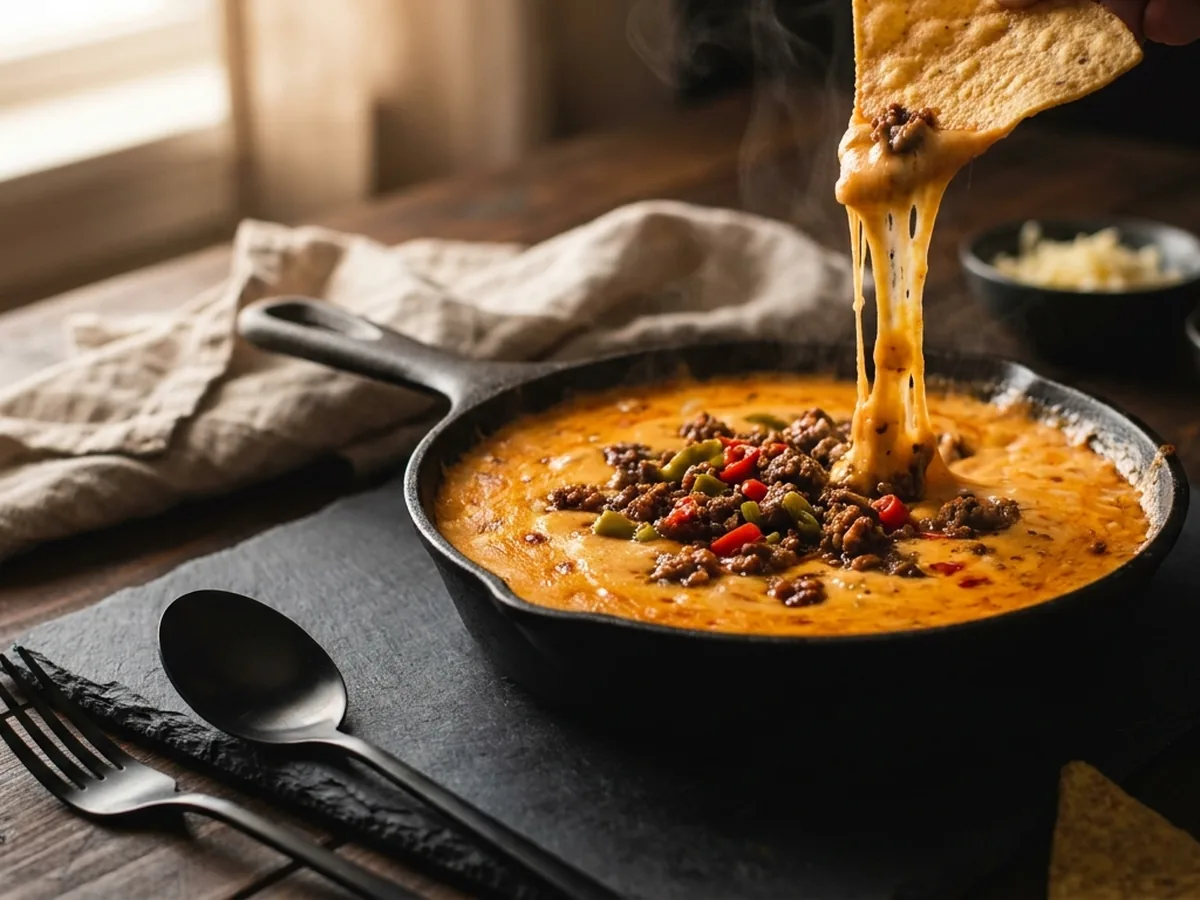
Cheese, chilli and a little seasoned beef, served in a hot skillet so it stays molten. Twelve minutes, one pan.
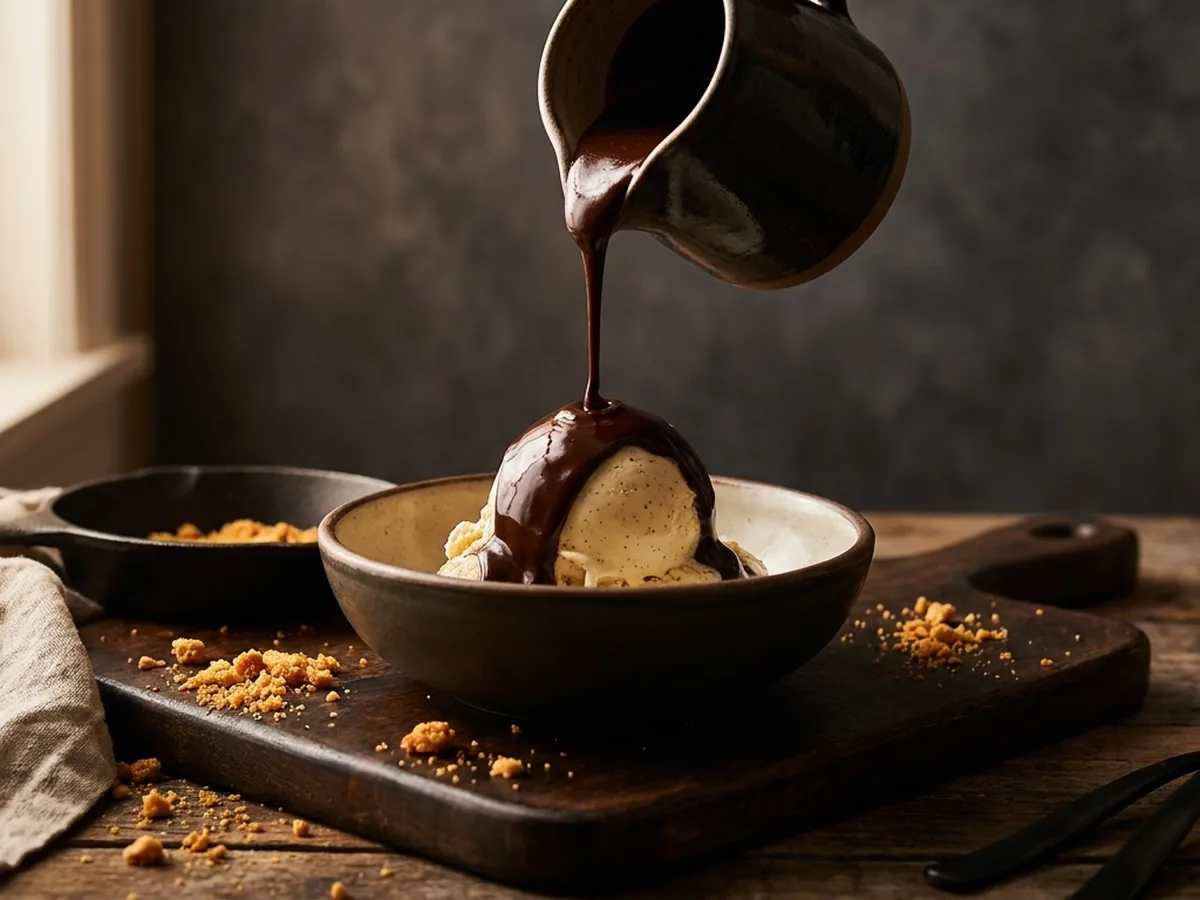
Cream, sugar, cocoa and butter, boiled briefly. Five minutes, and it turns any supermarket vanilla into a dessert.
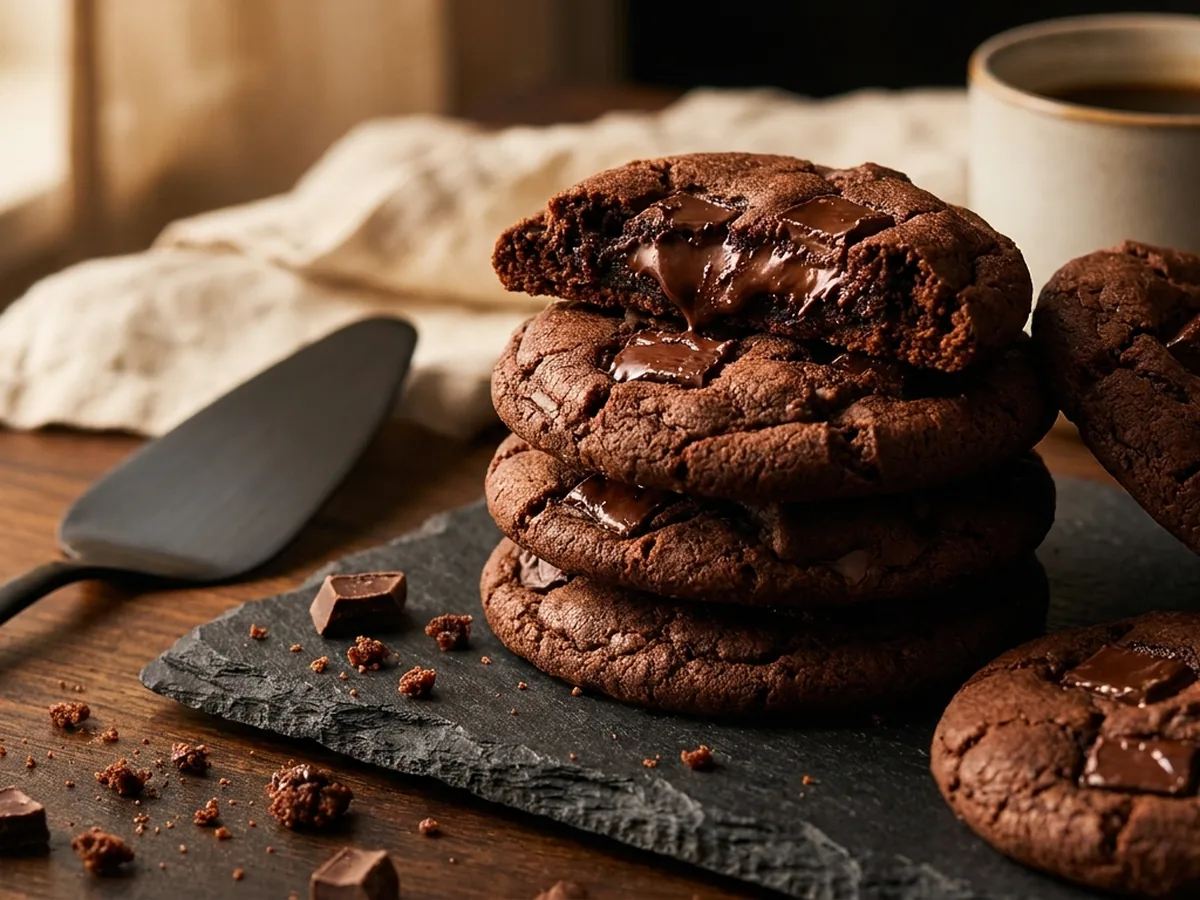
Thick, soft and deliberately under-baked so the middle stays molten. Twenty minutes, and the timing is the entire recipe.
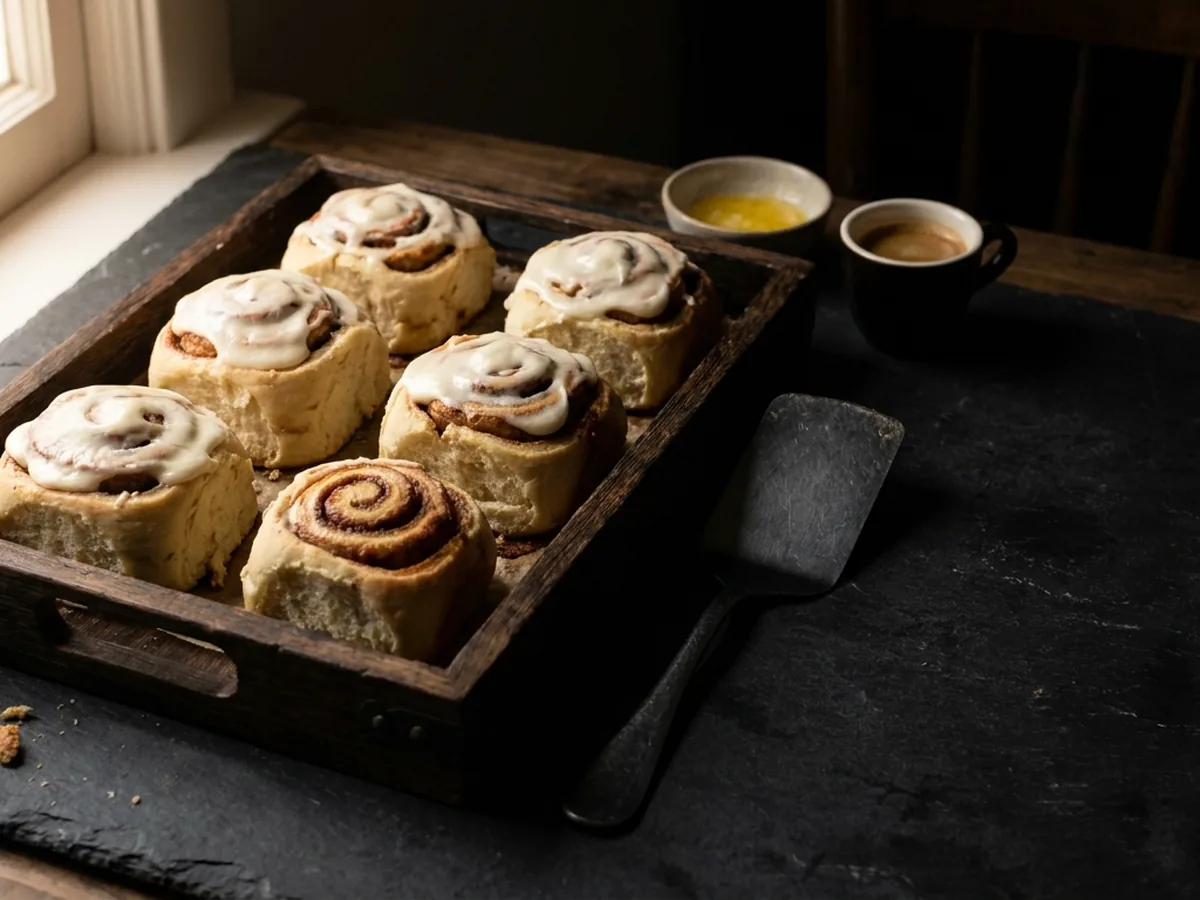
An enriched dough, a filling that is a third cinnamon by volume, and a cream cheese frosting with a much higher chees…