McDonald's
McDonald's Sausage and Egg McMuffin Copycat Recipe
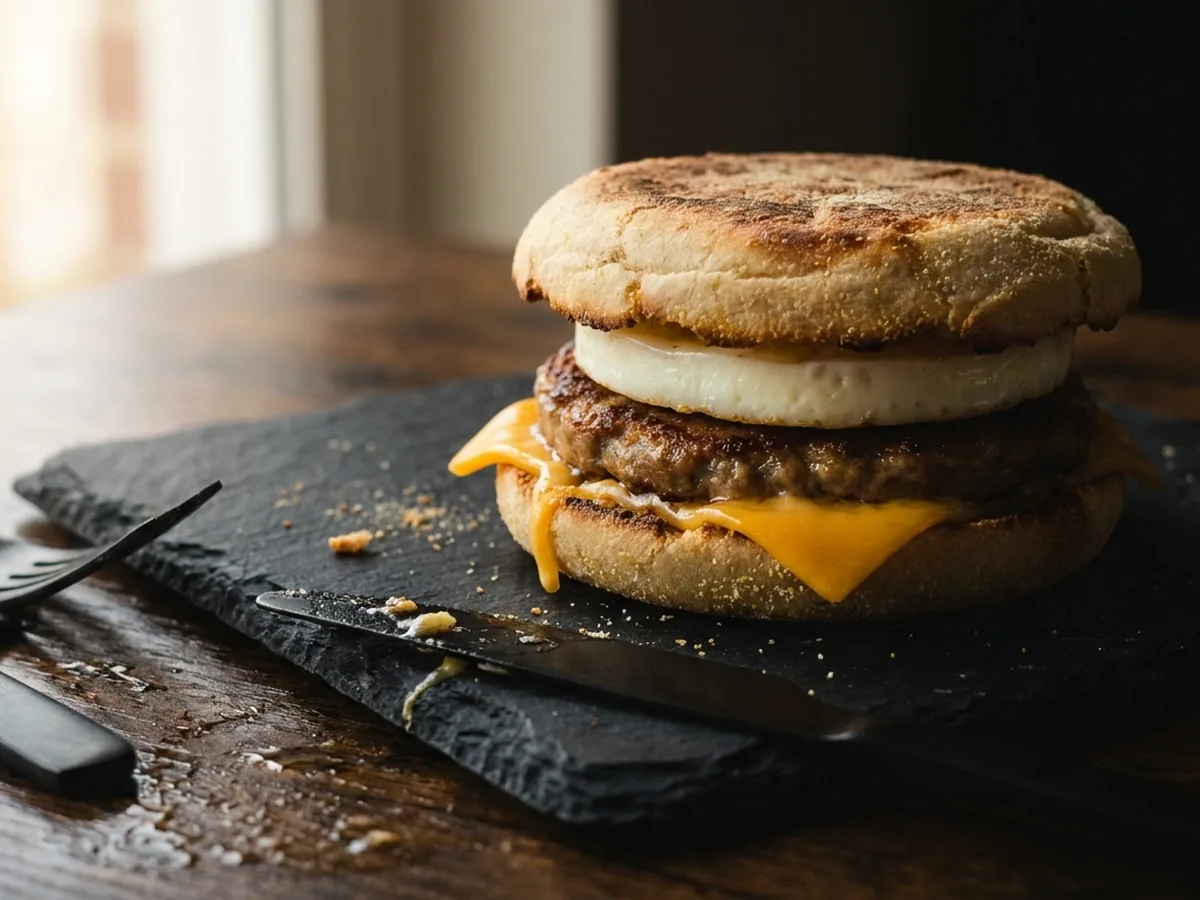
A sage-heavy sausage patty, an egg cooked in a ring, and a properly toasted muffin. Fifteen minutes, and better than …
 food.fast
Takeaway taste, kitchen prices
Hash Browns: Squeeze the Potato Until You Think You Have Finished, Then Squeeze Again
A crisp shell and a soft shredded middle, which is a moisture problem with one brutal solution.
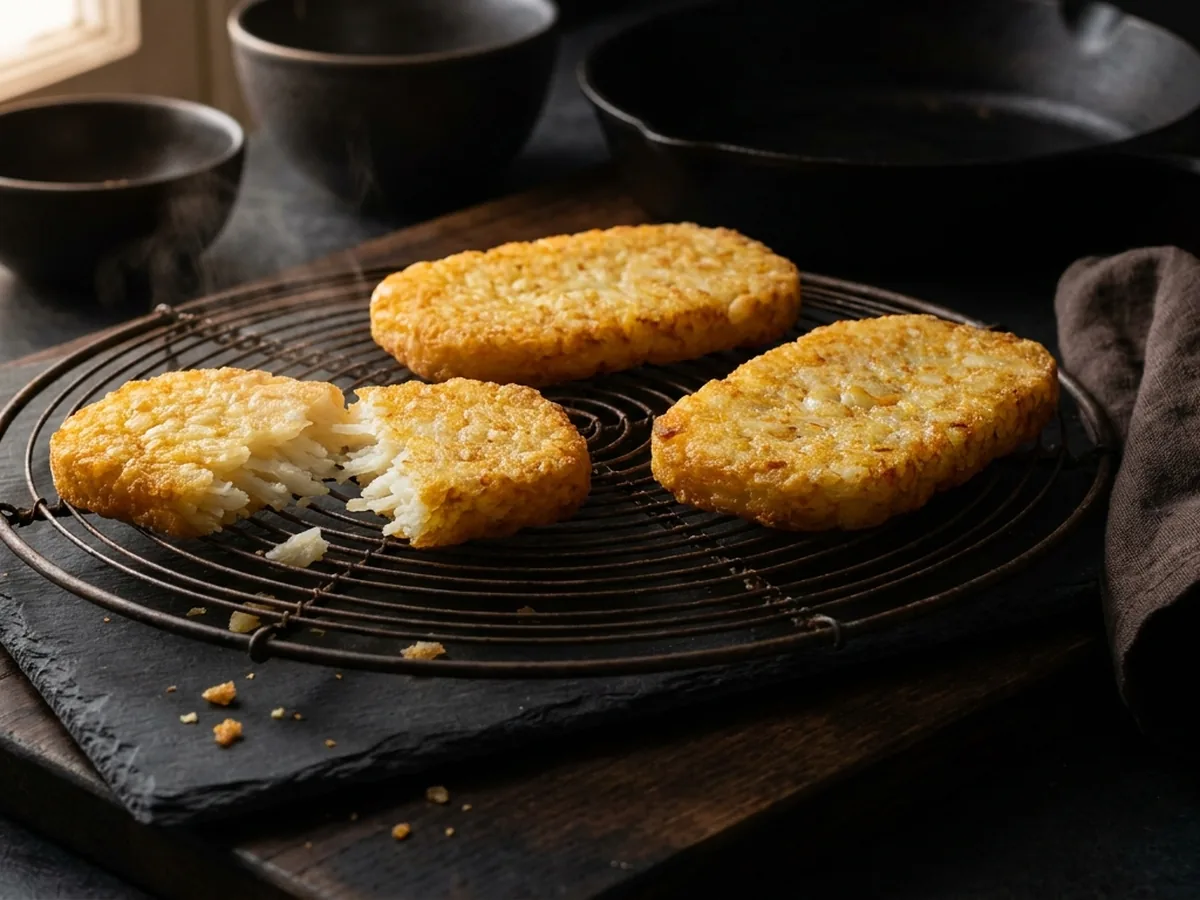
AI-generated illustration created for food.fast. It is not photographic evidence of a prepared batch.
There is exactly one difficult thing about hash browns and it is water.
A potato is roughly 80 per cent water. Grate one and you have a pile of shreds holding an enormous amount of liquid, and that liquid turns to steam in the pan. Steam is what stops a crust forming, so a hash brown made from un-squeezed potato is soft, grey and sad however long you cook it.
The answer is unglamorous: parboil the shreds briefly, then squeeze them in a tea towel harder than feels reasonable. You will be startled by how much water comes out after you thought you had finished. That, plus a little starch to bind, is the entire recipe.
The method gives quantities, timings and observable cues rather than asking you to guess. The 5 cases in If it goes wrong explain likely causes and corrective action.
See the recipe verification standard · See how the cost is calculated
Two reasons, and they both point the same way.
Raw grated potato goes grey within minutes. Cut potato oxidises on contact with air, and a pile of shreds has an enormous amount of surface area. Ninety seconds in boiling water deactivates the enzyme responsible, so the shreds stay pale.
Parboiled shreds hold together. Partially gelatinised starch is sticky, and that stickiness is what binds the hash brown into a single object rather than a pile of strands that falls apart the moment you turn it. It is also why this recipe needs very little added starch.
Ninety seconds is the number. Two or three minutes and the shreds start to soften and break, and the finished hash brown is mushy rather than shredded.
Straight from the boiling water into iced water to stop the cooking, then drained and squeezed.
Straight into a bowl of cold water as you go, which stops them browning while you work through the rest.
About 8 minDrain the shreds, tip them into a pan of boiling water, count ninety seconds, then drain and dump into a bowl of iced water. Do not leave them in the hot water longer.
About 4 minDrain, tip onto a clean tea towel, gather it into a bundle and twist hard. Water will pour out. When you think you have finished, open it, stir the shreds around, and do it again - you will get a surprising amount more.
In a dry bowl, until every shred is lightly coated. The cornflour absorbs the last of the moisture and binds.
About 2 minPress firmly - genuinely compact them, so the shreds interlock. An egg ring or a cutter makes neat ovals; hands are fine. Then an hour in the fridge, which firms them up and makes them far easier to handle.
About 8 min1 cm of oil in a wide pan, three at a time. Lower them in with a fish slice and do not move them for three minutes.
Never paper. Eat them within ten minutes - hash browns are at their best almost immediately.
About 1 minShaped, chilled, uncooked hash browns freeze perfectly. Freeze them on a tray until solid, then bag - three months.
Fry from frozen, adding about a minute and a half a side, or air fry at 200 °C for 16 minutes turned once.
That means a Sunday morning of grating and squeezing buys you hash browns for a month, which is the only reasonable way to have these on a weekday.
They also part-fry well: two minutes a side, cooled, frozen. Finish in an air fryer at 200 °C for eight minutes.
Brush both sides generously with oil and cook at 200 °C for 14 to 16 minutes, turning once. Genuinely good and much less oil.
60 g of grated cheddar tossed in with the cornflour. Not the original and very good.
One large hash brown in a pan rather than six small ones, six minutes a side. Different dish, same technique.
Each entry names a likely cause as well as a correction, so the advice remains useful when equipment, ingredients or batch size differ.
The recipes that go with this one, or that use what you have just made.
A sage-heavy sausage patty, an egg cooked in a ring, and a properly toasted muffin. Fifteen minutes, and better than …
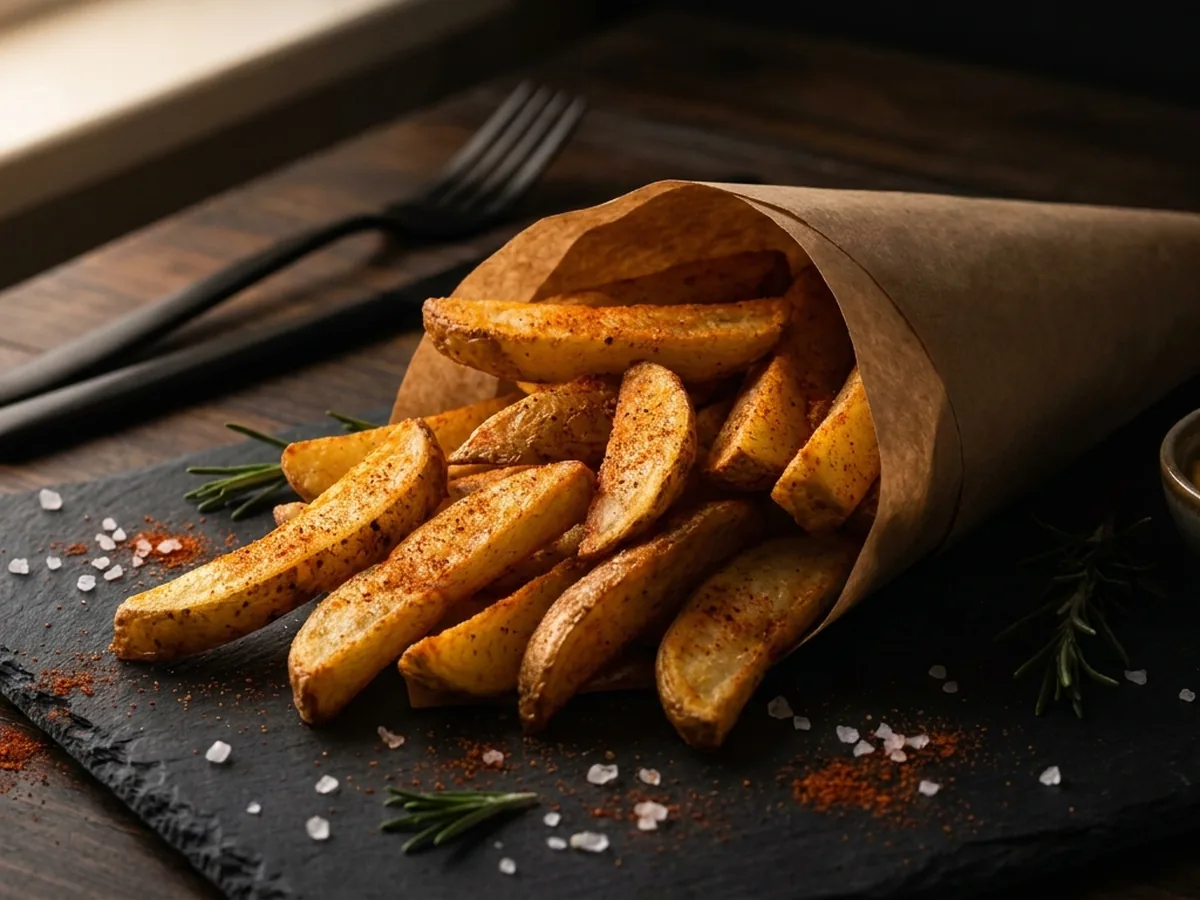
Skin-on potatoes, fried twice at two temperatures, tossed hot in Cajun seasoning. The oil is doing more of the flavou…
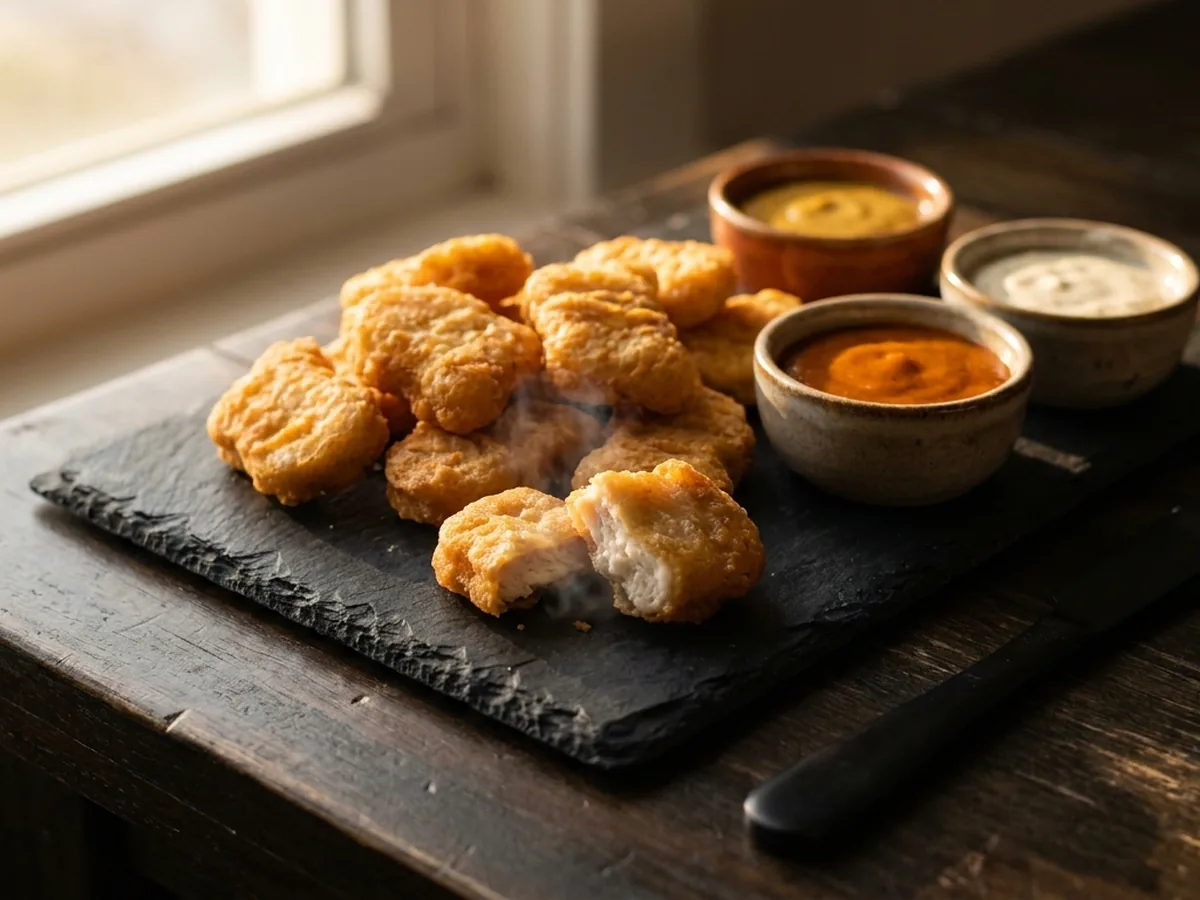
Minced and re-formed chicken in a thin tempura-style batter. The smooth interior is the whole point and it needs a fo…
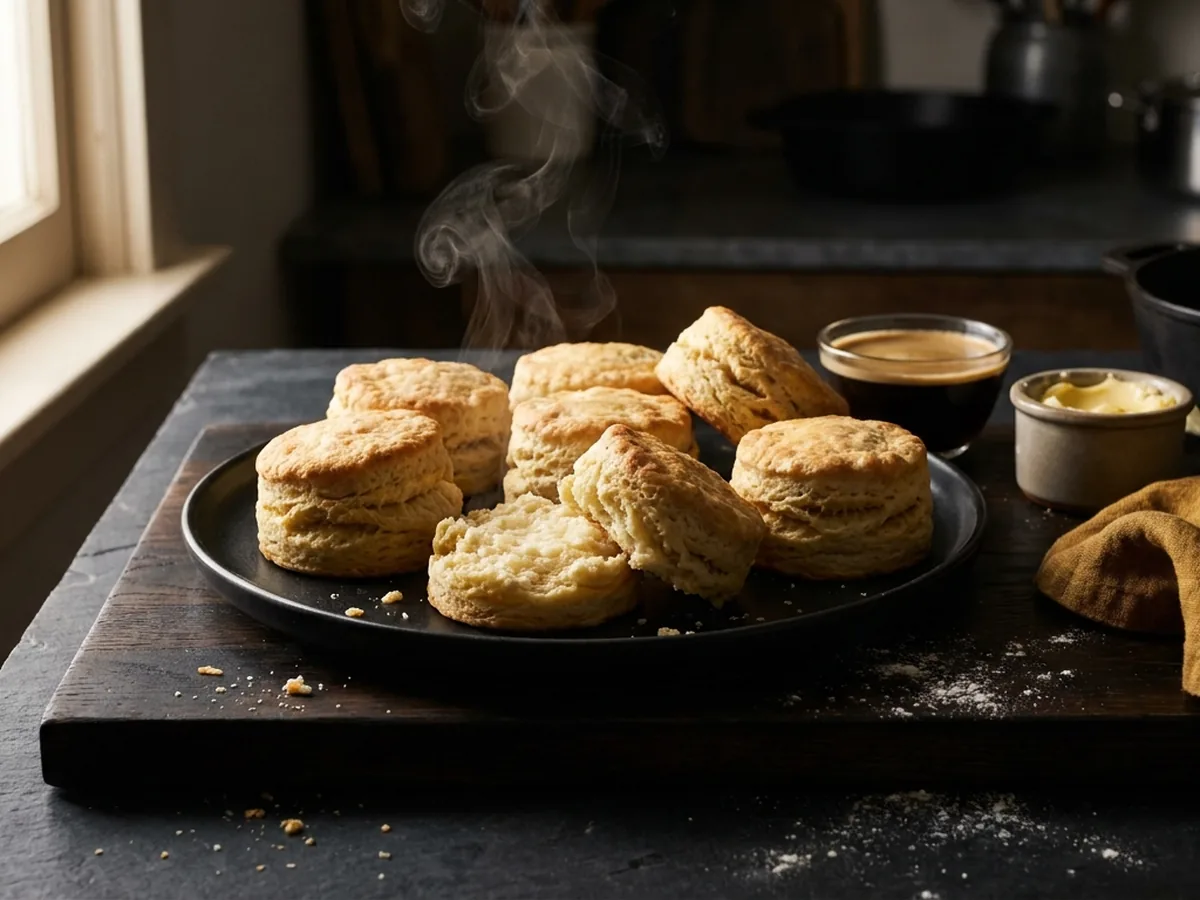
Grated frozen butter, a folded dough, and a cutter pressed straight down. Twenty-five minutes from a standing start.