McDonald's
Big Mac Sauce Copycat Recipe
Eight minutes, one bowl, no cooking. The sweet pickle relish base that every 'secret sauce' recipe gets wrong, and th…
 food.fast
Takeaway taste, kitchen prices
Five Questions to Ask a Sauce, in the Order That Finds the Answer
"Something is missing" is the least useful note a cook can write. Here is a structured way to taste a copycat attempt against the original that produces a specific change rather than a vague dissatisfaction.
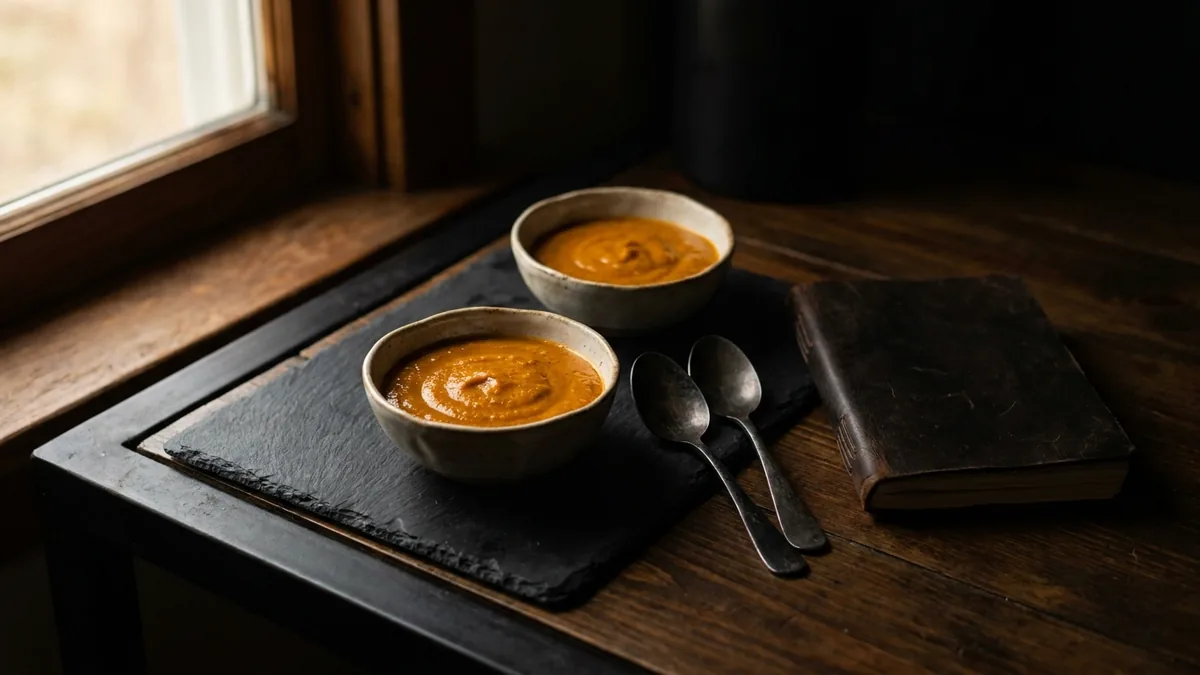
Most side-by-side tastings are ruined before the first spoonful, by three avoidable things.
Temperature. Cold suppresses sweetness and volatile aromatics dramatically. A sauce straight from the fridge tasted against one at room temperature will seem less sweet and less aromatic regardless of what is in it. Bring both to the same temperature and give them fifteen minutes to get there.
Order and palate fatigue. Whichever you taste first has an advantage. Taste A, then B, then B again, then A again. If your verdict flips, you are tasting order rather than difference.
Vehicle. Taste a burger sauce off a spoon and you get the sauce. Taste it on a piece of bun with a bit of patty and you get the sauce in its job, which is what you actually care about. Do both, in that order.
Have water and a plain cracker between samples. Four samples is about the limit before your palate stops being useful, which is why the structured order below matters - it gets you the answer in fewer tastes.
Taste for one thing at a time, in this sequence. Each element masks the ones after it, so going out of order produces confusion.
1. Acid. The fastest thing to register and the one that changes everything else. Is yours sharper or flatter? Acid makes a sauce taste brighter and less fatty, and a home version that tastes "heavy" or "cloying" is almost always short of acid rather than long on fat.
2. Salt. Salt suppresses bitterness and amplifies almost everything else. An under-salted sauce tastes flat and vague. Add it a quarter-teaspoon at a time - it is the easiest thing to overshoot and the hardest to take back.
3. Sugar. The most commonly missing element in home copies of chain food, by a wide margin, and the one people are most reluctant to add. Chain savoury products carry far more sugar than a home cook would ever put in, and if your version is correct on acid and salt and still tastes different, this is the next place to look.
4. Fat. Affects mouthfeel more than flavour. Does yours coat the mouth for as long? A thin-feeling sauce may need more oil rather than more of anything else.
5. Aromatics. Garlic, onion, herbs, spices. Last, because the four elements above all change how you perceive them. Fixing aromatics before fixing salt is how people end up with a sauce that tastes of garlic and nothing else.
| What yours tastes like | Most likely cause | First thing to try |
|---|---|---|
| Flat, vague, hard to describe | Under-salted | ¼ tsp salt at a time |
| Heavy, cloying, sits on the tongue | Not enough acid | 1 tsp vinegar or lemon |
| Correct but somehow not it | Not enough sugar | 1 tsp sugar |
| Thin, disappears quickly | Not enough fat | 1 tbsp oil or mayonnaise |
| Harsh, one note dominates | Raw aromatics, not rested | Wait 12 hours |
| Dusty or chalky on the finish | Dried powders not hydrated | Wait 12 hours |
| Tastes of one herb | Aromatics adjusted before salt | Start again on the salt |
This is where most home reverse-engineering falls apart. Somebody tastes, decides it needs "more of everything", adjusts four things, and now has no idea which change helped.
The discipline is boring and it works:
Three or four rounds is usually enough for a sauce. If you are on round eight, the problem is probably a base ingredient rather than a proportion, and you should go back to the ingredient list.
Some differences will not yield to tasting, however carefully you do it, because they are not composition differences at all.
Rest. A sauce with dried onion or garlic powder in it tastes dusty for several hours and correct the next day. Tasting a freshly mixed sauce against a commercial one that has been in a warehouse for a month is not a fair comparison, and the fix is patience rather than an ingredient.
Process. A flame-grilled patty and a griddled patty taste different and contain the same things. If your burger is correct on composition and wrong on flavour, look at the heat source.
Freshness, in your favour. A spice blend ground this morning is more intense than one that has been open for six months. Your version may taste more of something and be more correct, which is a real outcome and a confusing one.
Ingredients that are simply unavailable. African bird's eye chillies, banana ketchup, Korintje cinnamon. If a chain uses something you cannot buy, no amount of adjusting other things will close the gap, and the honest response is to say so on the page.
Eight minutes, one bowl, no cooking. The sweet pickle relish base that every 'secret sauce' recipe gets wrong, and th…
The most argued-about burger sauce in the world. Five minutes, and the mustard choice is what separates it from every…
The onion ring dip. Horseradish, ketchup and mayonnaise, with a kick that arrives late. Five minutes and an hour in t…