Wingstop
Wingstop Lemon Pepper Wings Copycat Recipe
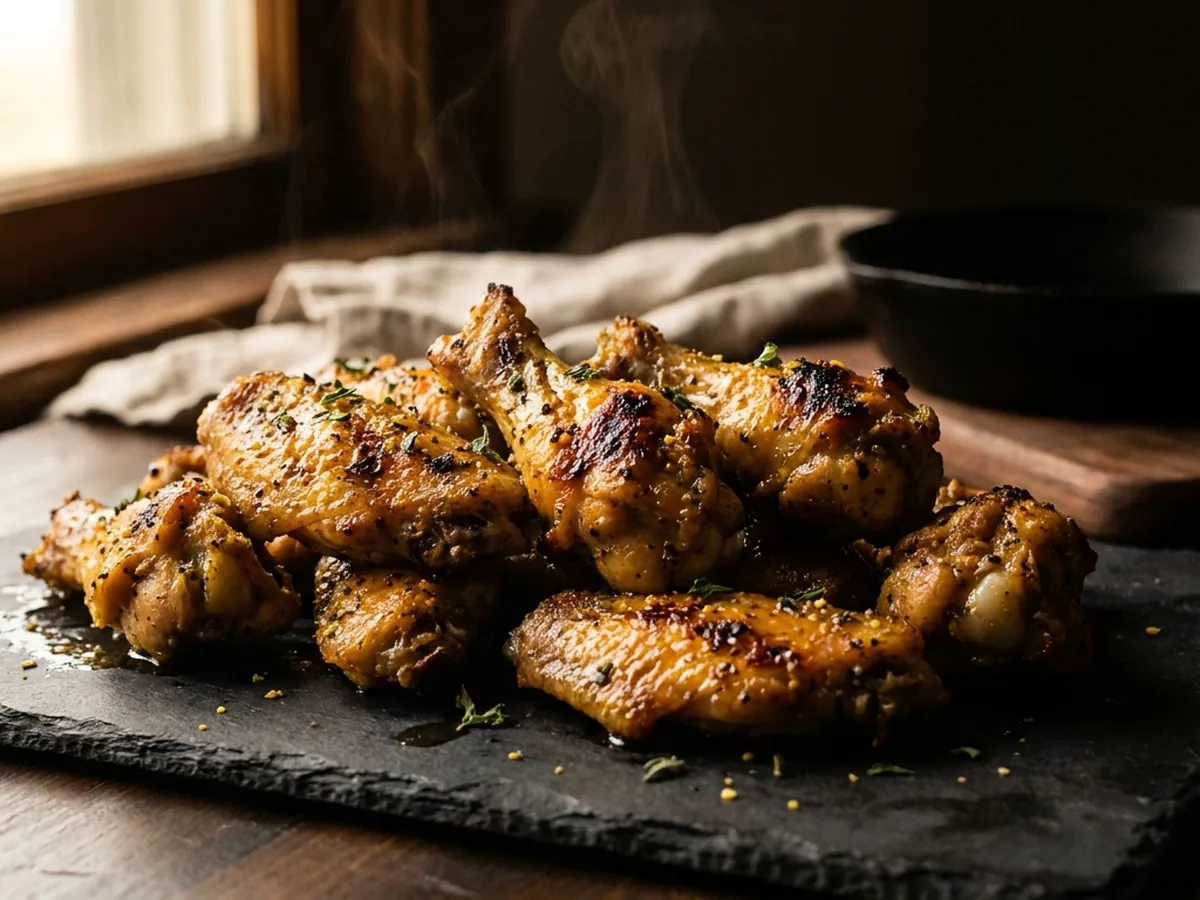
The chain's most ordered flavour, and the reason home versions taste dusty is that they skip the butter. Forty minutes.
 food.fast
Takeaway taste, kitchen prices
What an Air Fryer Can and Cannot Do to a Piece of Chicken
An air fryer is a small fan oven with an aggressive fan. Knowing that tells you exactly which recipes it will do brilliantly and which it will ruin.
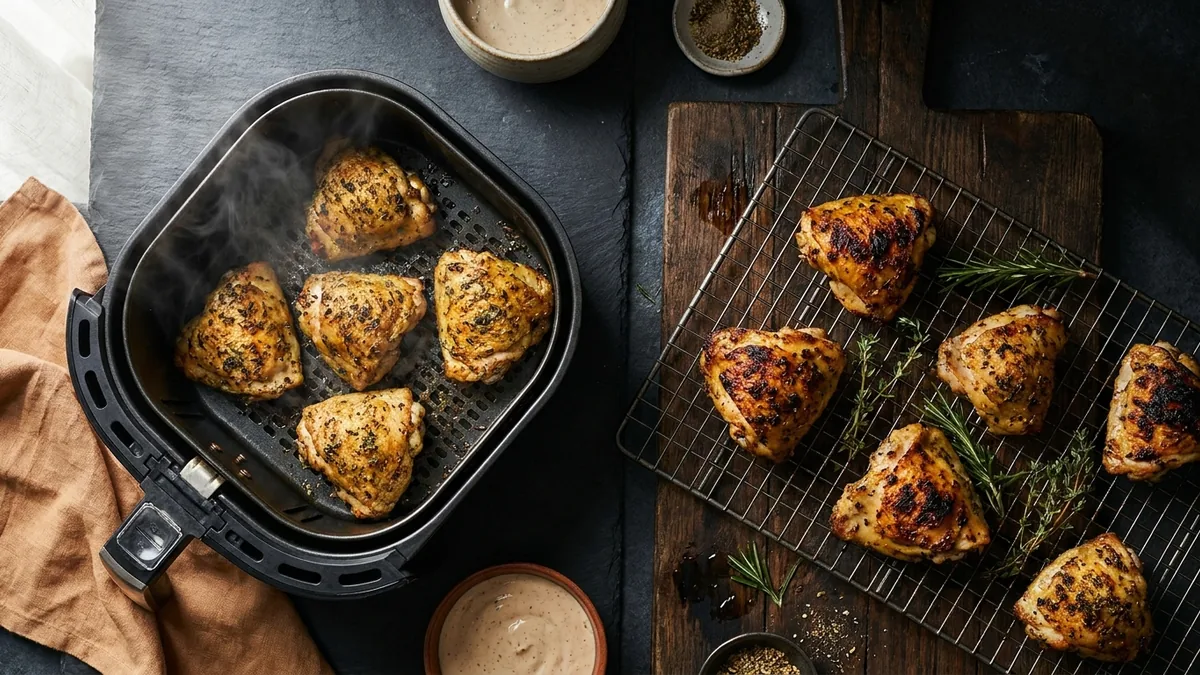
A small, well-insulated chamber with a heating element and a strong fan, plus a perforated basket so air can reach the underside of the food. That is the whole design.
Everything it does well and badly follows from that:
It preheats in two or three minutes and recovers almost instantly when opened, because the chamber is small. This is a genuine advantage over a domestic oven.
The airflow strips moisture from the surface quickly, which is why chips, wings and breaded chicken work so well - all of them want a dry, crisp exterior.
The same airflow dries out anything that needed to stay moist, which is why a plain chicken breast comes out noticeably drier than it would in an oven.
A strong fan blows unset surfaces around, which is why wet batters and rising cakes fail.
It is not frying. Frying is cooking in fat at 160 to 190 °C, where the fat is a heat transfer medium in direct contact with the whole surface. An air fryer uses hot air, which conducts heat far less efficiently, and that difference is why the texture is crisp rather than brittle.
This is the most useful distinction and the one that explains most air fryer disappointment.
Breadcrumbs: excellent. Breadcrumb is already dry and toasted. It needs heat and a little fat to go from pale to golden, and hot air supplies both readily. An air-fried Chicken Royale is close to a fried one.
Flour dredges: fair, with effort. A raw flour dredge needs to actually cook, and in a fryer it does that in fat. In hot air, dry flour stays dry flour - producing pale, powdery patches. The fix is to spray it until it looks wet, not merely misted, before cooking and again when you turn it. Done properly it gets to perhaps 75 per cent of a fried result.
Wet batters: impossible. The fan blows the batter off the food before it sets, onto the element. Do not try.
Uncoated skin: very good. Wings and chicken thighs with a baking powder dusting are the single best thing an air fryer does. The airflow dries the skin and the baking powder raises the pH; the result is genuinely excellent.
Frozen commercial products: excellent. They were designed to be finished in hot air.
| What | Temperature | Time | Turn at |
|---|---|---|---|
| Wings, baking powder dusted | 200 °C | 22-26 min | 12 min |
| Popcorn chicken | 200 °C | 11-13 min | Shake twice |
| Breaded chicken fillet | 200 °C | 14-16 min | 8 min |
| Boneless thigh, dredged | 190 °C | 16-18 min | 9 min |
| Chips, 1 cm | 190 °C | 18-22 min | Shake twice |
| Hash browns | 200 °C | 14-16 min | 8 min |
| Crunchwrap | 190 °C | 8 min | 5 min |
Oil, and more than you think. The single most common mistake is under-oiling. Spray or brush generously enough that the coating looks wet rather than dusty, and again at the turn. Two tablespoons for a basket of chips is not excessive. Without fat, the coating dehydrates rather than browning.
Space. A single layer with air gaps around each piece. A crowded basket becomes a steamer - the moisture coming off the food has nowhere to go, the surfaces touching each other never dry, and you get pale, soggy food. This is the hardest rule to follow because the machines are small and you always want to do one more batch's worth at once.
Shaking or turning. Whatever is against the basket floor is not in the airflow. Turn or shake at least once, twice for small items.
A fourth, which is about the machine rather than the technique: models vary enormously. A 1,400 W basket model and an 1,800 W dual-drawer model at the same setting cook at noticeably different rates. Check early on your first attempt at any recipe and adjust from there.
An ordinary oven can get close, and two techniques do most of the work.
A wire rack over a tray, always. Food sitting flat on a tray steams on the underside in its own rendered fat and released moisture. Air underneath is the single biggest improvement available, and a rack costs two pounds.
Preheat the tray. Putting food onto already-hot metal starts the browning immediately rather than waiting for the tray to catch up. This matters most for chips and roast potatoes.
Beyond that:
What an oven does better than an air fryer is capacity. A kilo of wings fits on two oven trays and will not fit in any domestic air fryer basket, and cooking in four batches means the first ones are cold.
What it does worse is speed and evenness. Domestic ovens vary by as much as 25 °C from their dials and have distinct hot spots, which is why turning the tray as well as the food is worth doing.
The chain's most ordered flavour, and the reason home versions taste dusty is that they skip the butter. Forty minutes.
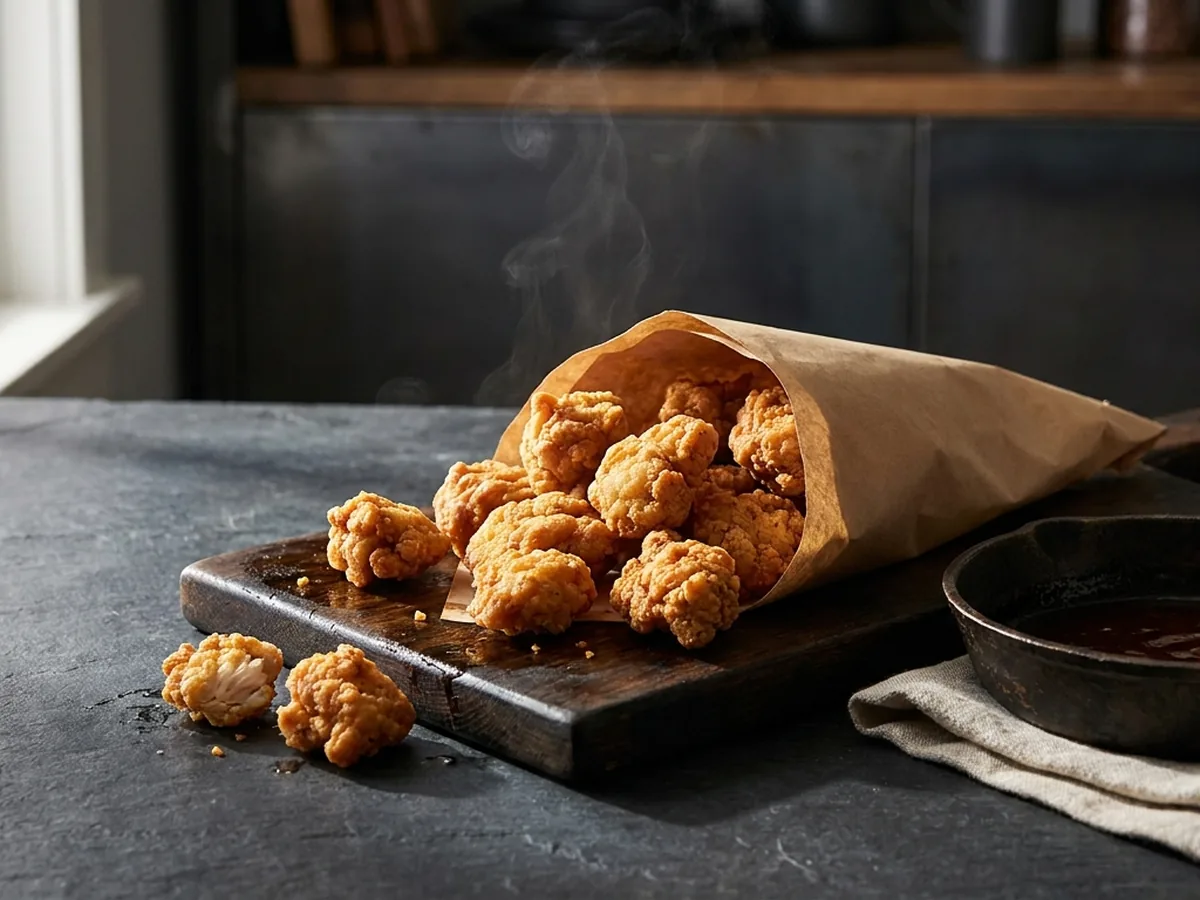
Small pieces, a heavily seasoned dredge and a very short fry. The whole recipe is about not overcooking something tha…
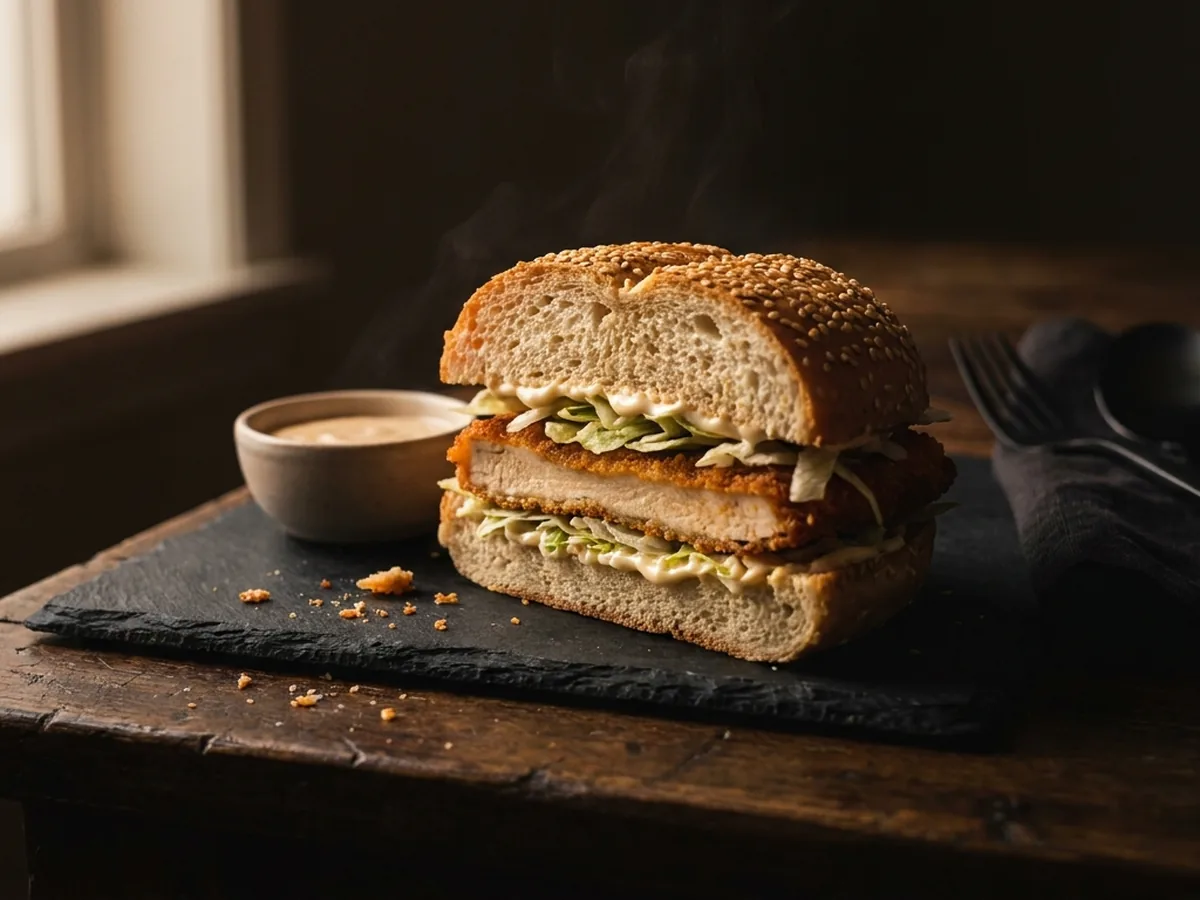
A breadcrumbed chicken fillet, shredded lettuce and mayonnaise in a long sesame bun. Deliberately plain, and the crum…
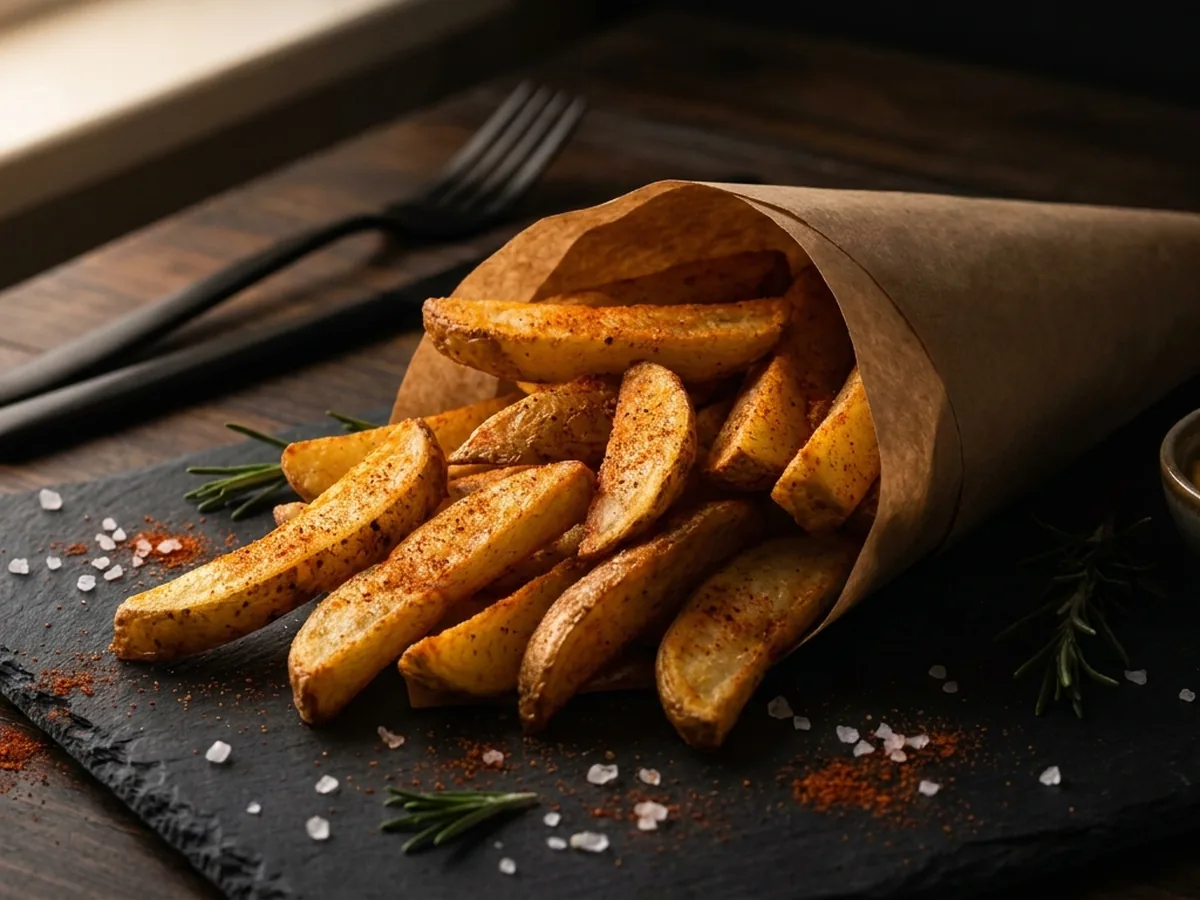
Skin-on potatoes, fried twice at two temperatures, tossed hot in Cajun seasoning. The oil is doing more of the flavou…