Five Guys
Five Guys Cajun Fries Copycat Recipe
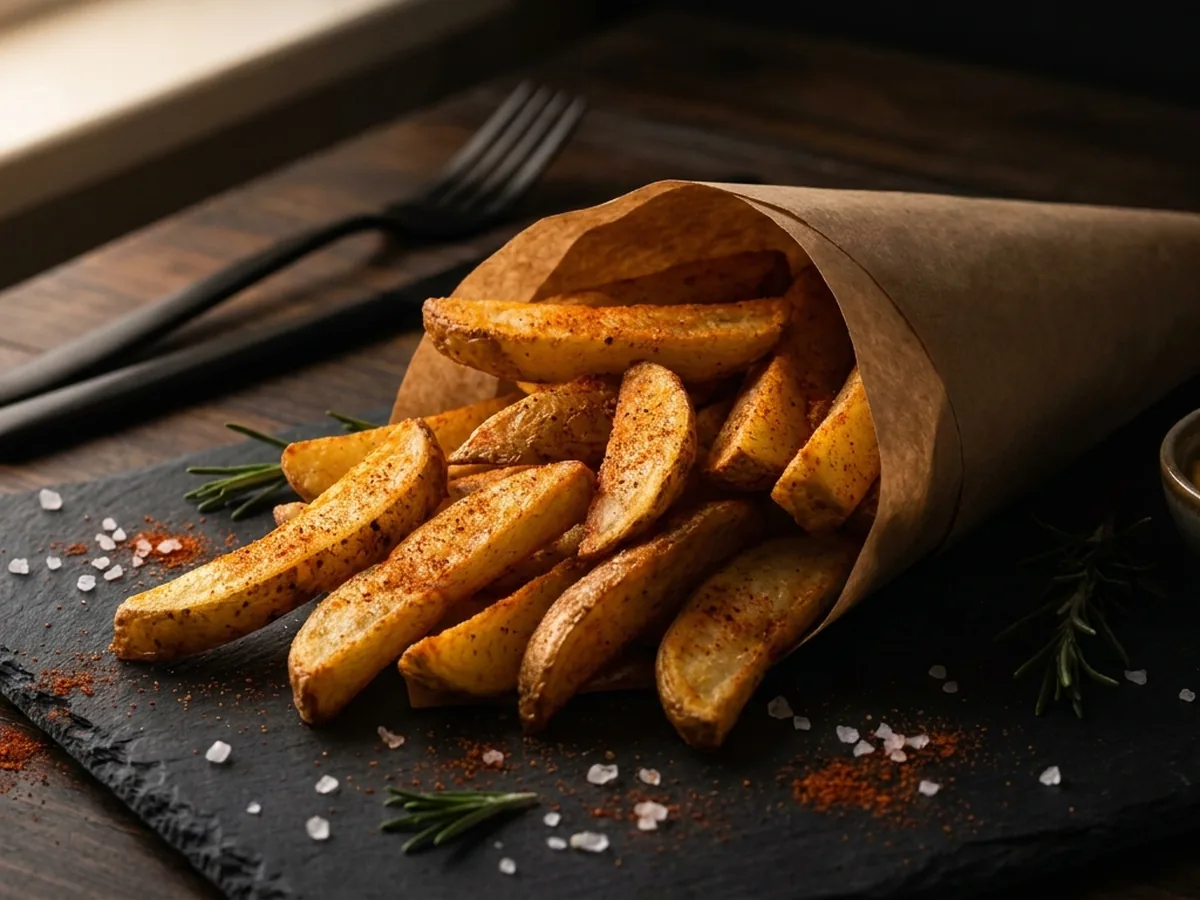
Skin-on potatoes, fried twice at two temperatures, tossed hot in Cajun seasoning. The oil is doing more of the flavou…
 food.fast
Takeaway taste, kitchen prices
Menu Engineering Is a Real Discipline and You Are Its Subject
The order of the items, the size of the numbers and the position of the meal deal are all decisions. Knowing what the decisions are makes a menu board considerably easier to read.
The standard metric in food service is food cost percentage - the cost of the ingredients as a share of the selling price. Quick-service restaurants generally run at 25 to 33 per cent.
So a £5.99 burger contains roughly £1.50 to £2.00 of ingredients.
The rest is not profit. It covers:
This is why the gap between our cost figures and the menu price is so large, and why it is not evidence of gouging. You are paying for a building, staff, and the fact that somebody else did the work.
It is also why the saving from cooking at home is genuinely large: you are removing 70 per cent of the price, not the 5 to 10 per cent that is profit.
A fountain soft drink has a food cost percentage somewhere in the region of 5 to 10 per cent. Syrup, carbonated water and a cup.
That is why the meal deal exists. Bundling a burger, chips and a drink at a price that appears to make the drink nearly free costs the restaurant very little, because the drink barely cost anything to begin with. Meanwhile the average transaction value goes up.
The arithmetic is only in your favour if you would have bought the drink anyway. If you would have had tap water, the "saving" is money you would not otherwise have spent, and the meal deal has done exactly what it was designed to do.
Same logic, different item:
Read a meal deal by asking what you would have ordered without it.
Menu engineering is a genuine discipline with academic literature behind it. The techniques are well documented and they are used because they work.
Position. Eyes go to the top right of a printed menu and to the top centre of a digital board. High-margin items live there.
Boxing and colour. A box or a contrasting colour around an item raises its selection rate substantially. It is almost never the cheapest item.
The decoy. An expensive item placed next to the one the restaurant wants to sell makes that one look reasonable by comparison. It does not need to sell; its job is to shift the reference point. This is one of the best-evidenced effects in pricing psychology.
Removing currency symbols. Menus that print "8.50" rather than "£8.50" show measurably higher spend, because the symbol is a reminder that money is being spent. Increasingly common in casual dining.
Charm pricing, and its opposite. £5.99 signals value; £6.00 signals quality. Which one appears tells you how the item is positioned.
Item order. The first and last items in a list are remembered best. The cheapest thing is rarely either.
None of this is deceptive. It is design, and knowing about it makes the board easier to read - the boxed item in the top right is what they want you to buy, which is useful information whichever way you then decide.
From the price data on this site - over 19,000 recorded prices - a few patterns hold consistently.
The mid-range burger is usually the best value per gram of protein. The cheapest burger has very little in it; the premium one adds a lot of price for modest additional content.
Sides are priced steeply. Chips typically carry a menu price several times their food cost, and side portions are where the margin lives. This is also why they are the easiest thing to reproduce at home for almost nothing, as the Cajun fries costing shows.
Sharing formats beat individual items on almost every menu. A bucket, a sharing box, a large pizza - the price per unit falls sharply with size.
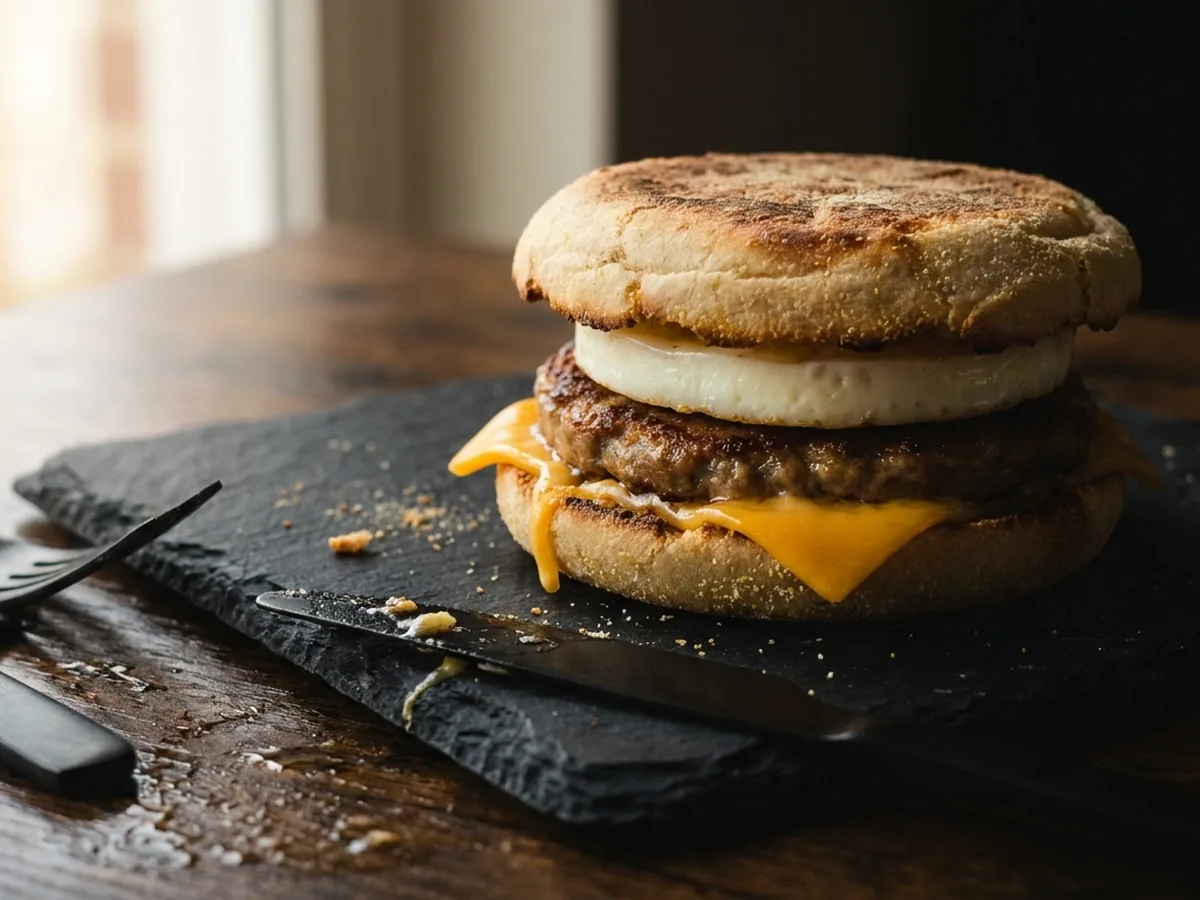
Breakfast is the cheapest meal on almost every chain menu, often by a wide margin, and it is also the easiest to reproduce at home - which is why the McMuffin is the largest per-item saving on this site for anybody buying breakfast on the way to work.
Value menus are genuinely good value, and they exist to get you through the door, where the board then does its work.
Skin-on potatoes, fried twice at two temperatures, tossed hot in Cajun seasoning. The oil is doing more of the flavou…
A sage-heavy sausage patty, an egg cooked in a ring, and a properly toasted muffin. Fifteen minutes, and better than …
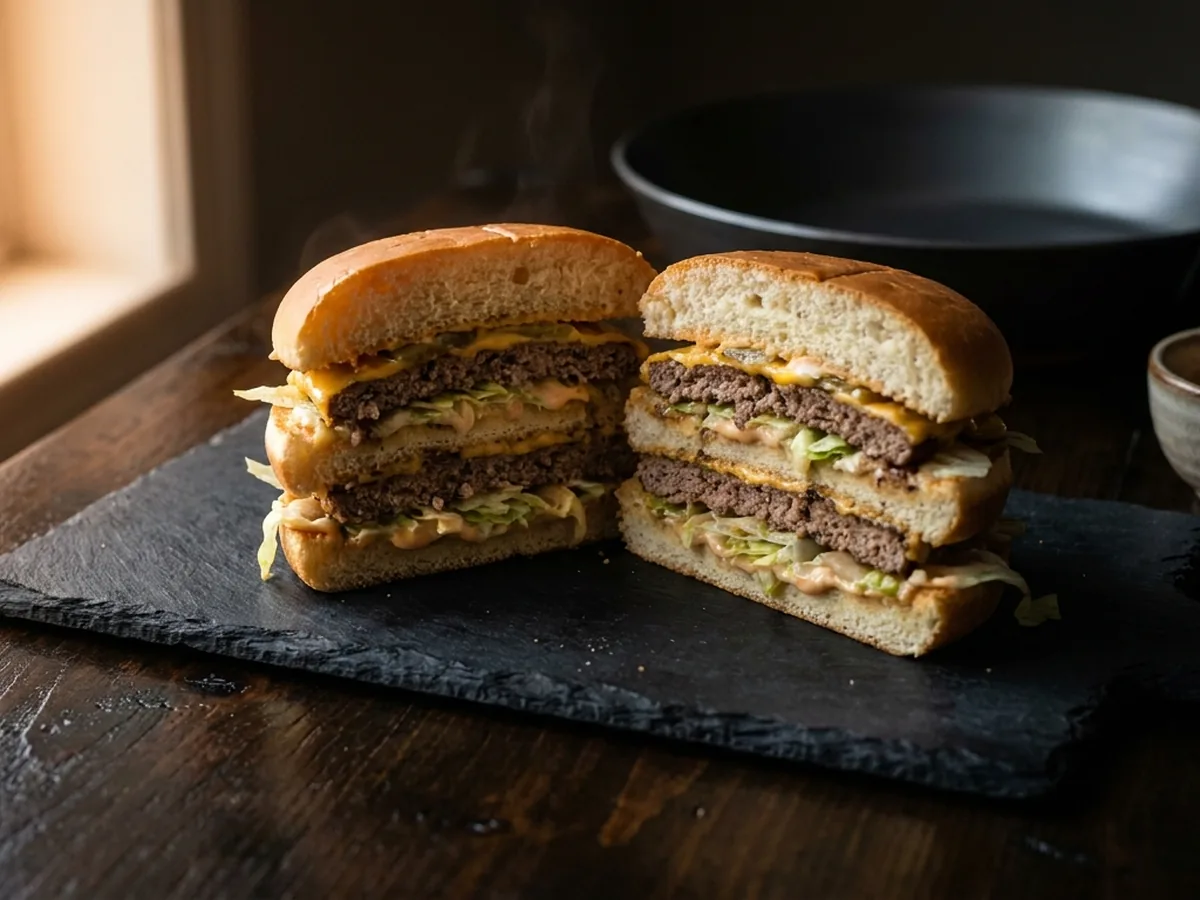
Two thin patties, a three-piece bun and the assembly order that stops the whole thing sliding apart on the second bit…