Jollibee
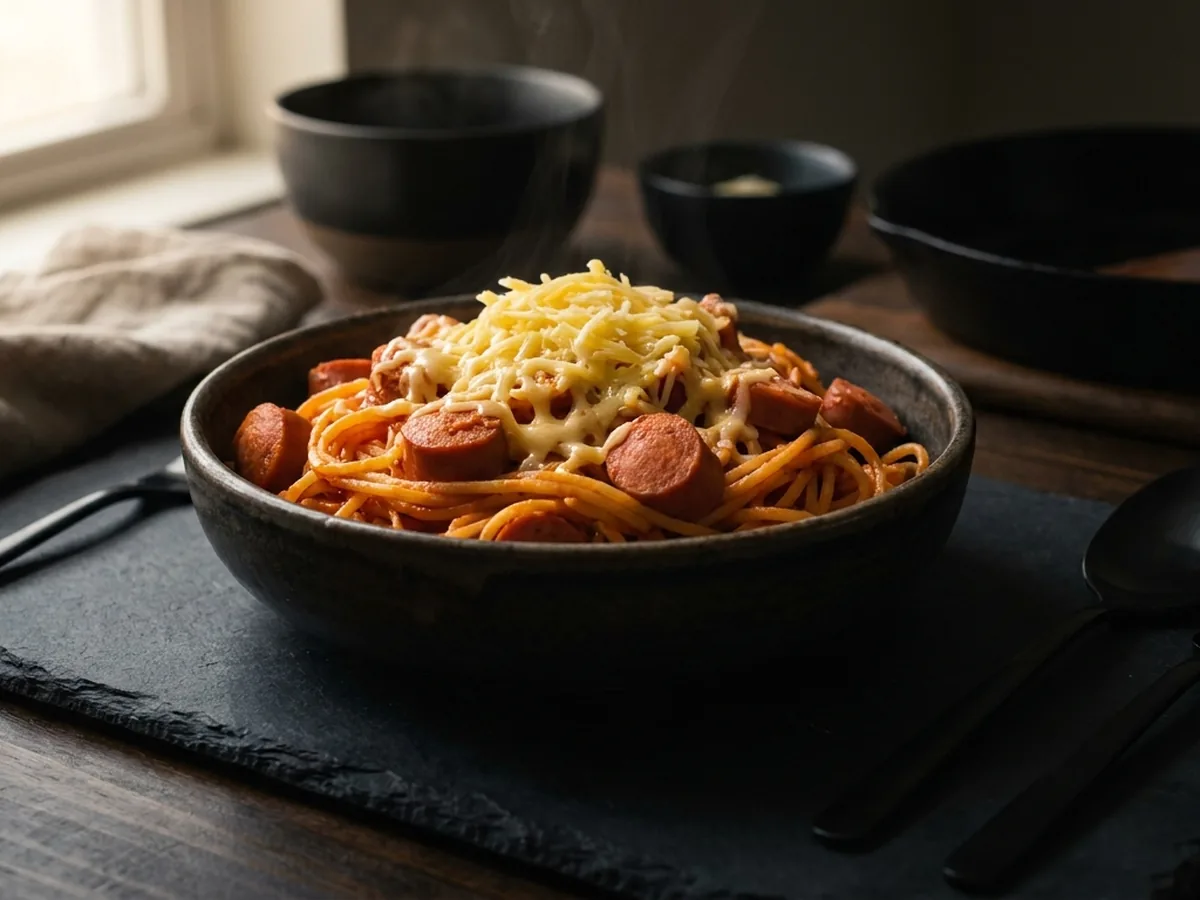
Jollibee Jolly Spaghetti Copycat Recipe
Sweet tomato sauce with banana ketchup, hot dog slices and grated cheese. Thirty minutes, and it feeds four for under…
 food.fast
Takeaway taste, kitchen prices
Localisation Is Not a Marketing Gimmick, It Is the Business Model
McDonald's Philippines sells rice. Pizza Hut Thailand sells seafood cocktail pizza. KFC is Christmas dinner in Japan. The reasons are more interesting than novelty.
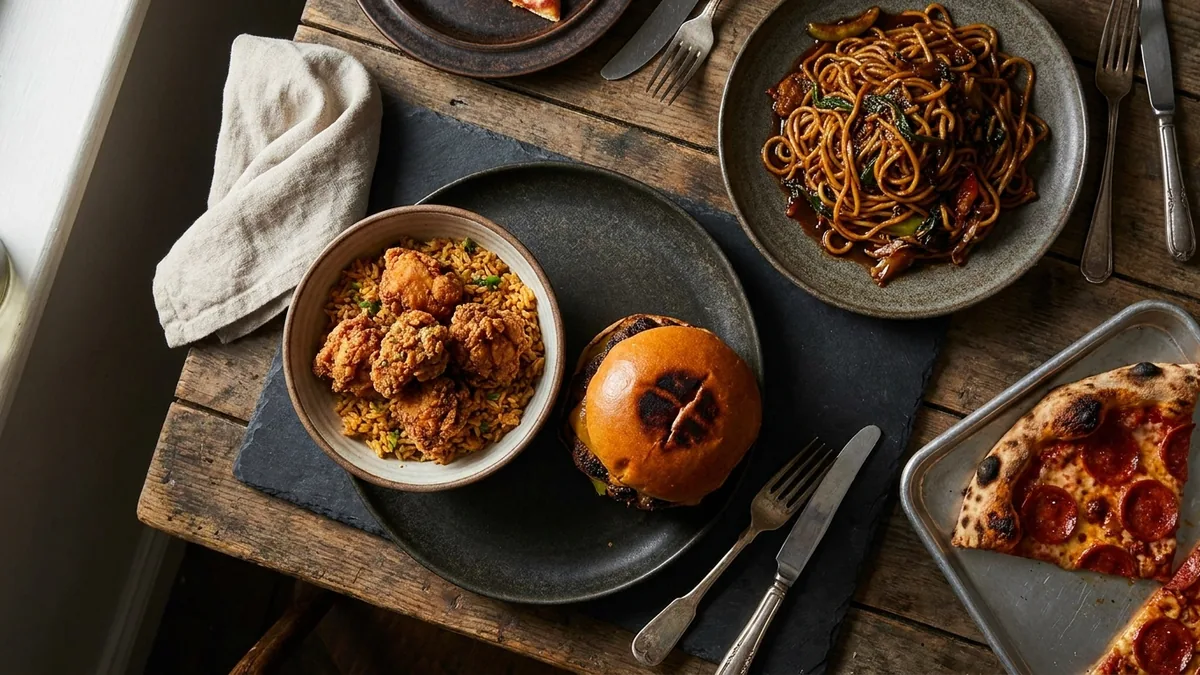
Regulatory and religious requirements. Non-negotiable. Beef is off the menu in India for most of the market, so McDonald's there is built on chicken and vegetable items. Halal certification shapes the entire supply chain across Malaysia, Indonesia and the Gulf. Pork disappears from menus in much of Southeast Asia and appears prominently in Thailand and the Philippines.
Supply chain reality. You cannot build a national chain on an ingredient you cannot reliably source. Potato varieties, beef grades, dairy availability and cold chain infrastructure all constrain what a menu can contain before anybody considers taste.
The shape of a meal. This is the interesting one. In much of East and Southeast Asia a meal without rice is not a meal - it is a snack. So McDonald's Philippines sells fried chicken with rice, and it is not a novelty item; it is the core of the business.
Local taste. Sweetness levels vary enormously between markets. Spice tolerance varies. What counts as a breakfast varies more than almost anything else on a menu.
Competition. A chain entering a market with a strong incumbent adapts to compete. Jollibee's dominance in the Philippines shaped what McDonald's sells there rather than the other way round.
Some localisations stop being adaptations and become the main event.
KFC at Christmas in Japan. A 1974 marketing campaign - Kurisumasu ni wa Kentakkii, Kentucky for Christmas - landed in a country with no established Christmas food tradition and filled the gap. Christmas Eve is now the chain's busiest day of the year there by a very wide margin, with buckets ordered weeks ahead.
Jollibee's Chickenjoy and Jolly Spaghetti in the Philippines. Not a localisation by a foreign chain but a local chain that out-competed the global ones on exactly this ground. Sweet spaghetti with hot dogs is a national dish and a homesickness cure across the Filipino diaspora, which is why the recipe is on this site.
McSpicy Paneer, McAloo Tikki and the entire Indian menu. Built from scratch around vegetarian requirements, and among the chain's most successful market entries.
Nando's in the UK. A South African chain of Portuguese-Mozambican heritage that became, in Britain, a distinct cultural institution with its own vocabulary and its own rituals, quite separate from how it is understood anywhere else.
It means a recipe has to say which version it is copying, and this site does.
Three places where the difference is material:
Pizza Hut stuffed crust versus cheesy bites. The US stuffed crust and the UK cheesy bites are different products with different doughs and different assembly. A recipe that says "Pizza Hut crust" without specifying is copying something the reader may never have eaten.
Sweetness levels. The same nominal sauce is measurably sweeter in some markets than in others. Our recipes are developed against the UK and US versions and say so.
Item availability. Several recipes on this site copy items that exist in one market and not another. The Zinger is a UK and international staple and is not the same as the US spicy chicken sandwich.
This is also why the menu data on this site is held per country, with the date each menu was recorded, and why our price index only compares items sold under the same normalised name by the same brand across several markets. A great deal of the menu data is genuinely not comparable, and pretending otherwise would produce very confident nonsense.
Across the eleven markets in our dataset, a handful of items appear in one place and nowhere else and are worth knowing about.
Thailand. Pork burgers across most Western chains, samurai pork burgers at McDonald's, and a genuinely different Pizza Hut menu with seafood and larb toppings.
Philippines. Rice with almost everything, McSpaghetti, and Jollibee's entire range - the sweet spaghetti, Chickenjoy and peach mango pie.
Hong Kong. Breakfast noodle soups at McDonald's, twisty pasta, and an entirely distinct morning menu that bears no relation to the Western one.
Malaysia and Singapore. Chicken rice formats, curry sauces as standard condiments, and Ramly-style burger influences on local chains.
United Kingdom. The garlic and herb dip at Domino's, which has a following disproportionate to its billing, and the Zinger, which is a British and international icon.
The chain pages carry the full priced menus for each market, and the country tabs on each one are the fastest way to see how different the same brand is in two places.
Sweet tomato sauce with banana ketchup, hot dog slices and grated cheese. Thirty minutes, and it feeds four for under…
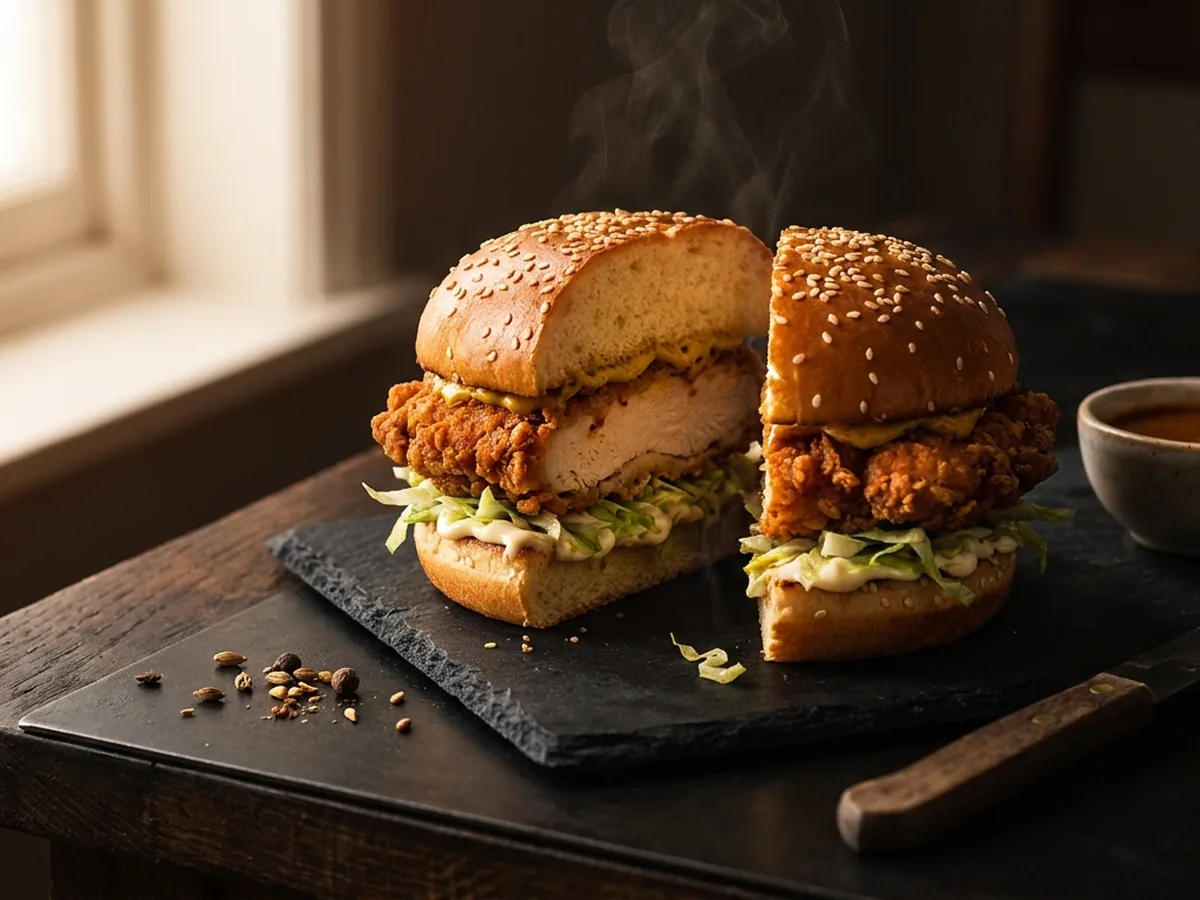
A boneless thigh, a cayenne-loaded dredge and plain mayonnaise. The heat is built into the crust, which is the whole trick.
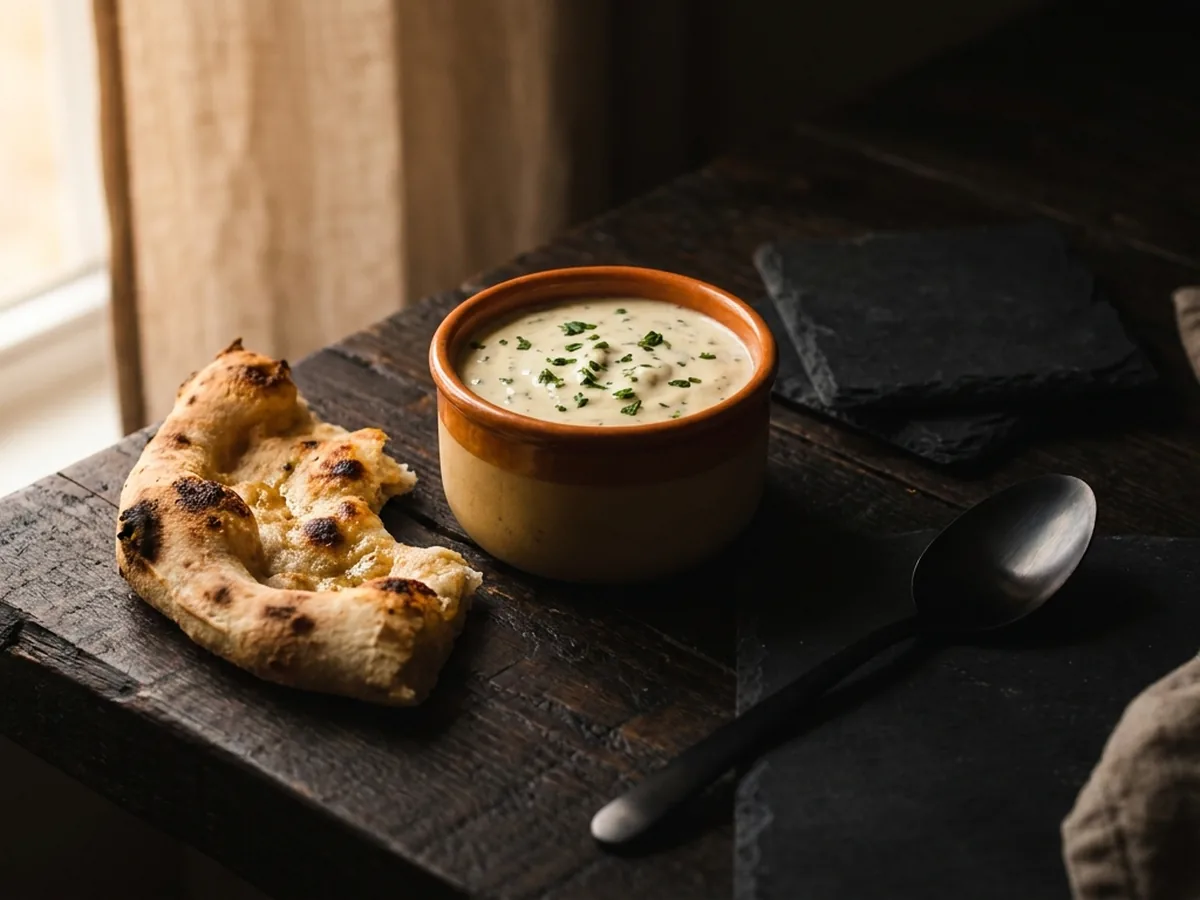
The most requested copycat dip in Britain. Four minutes, six ingredients, and two decisions that most versions get wrong.
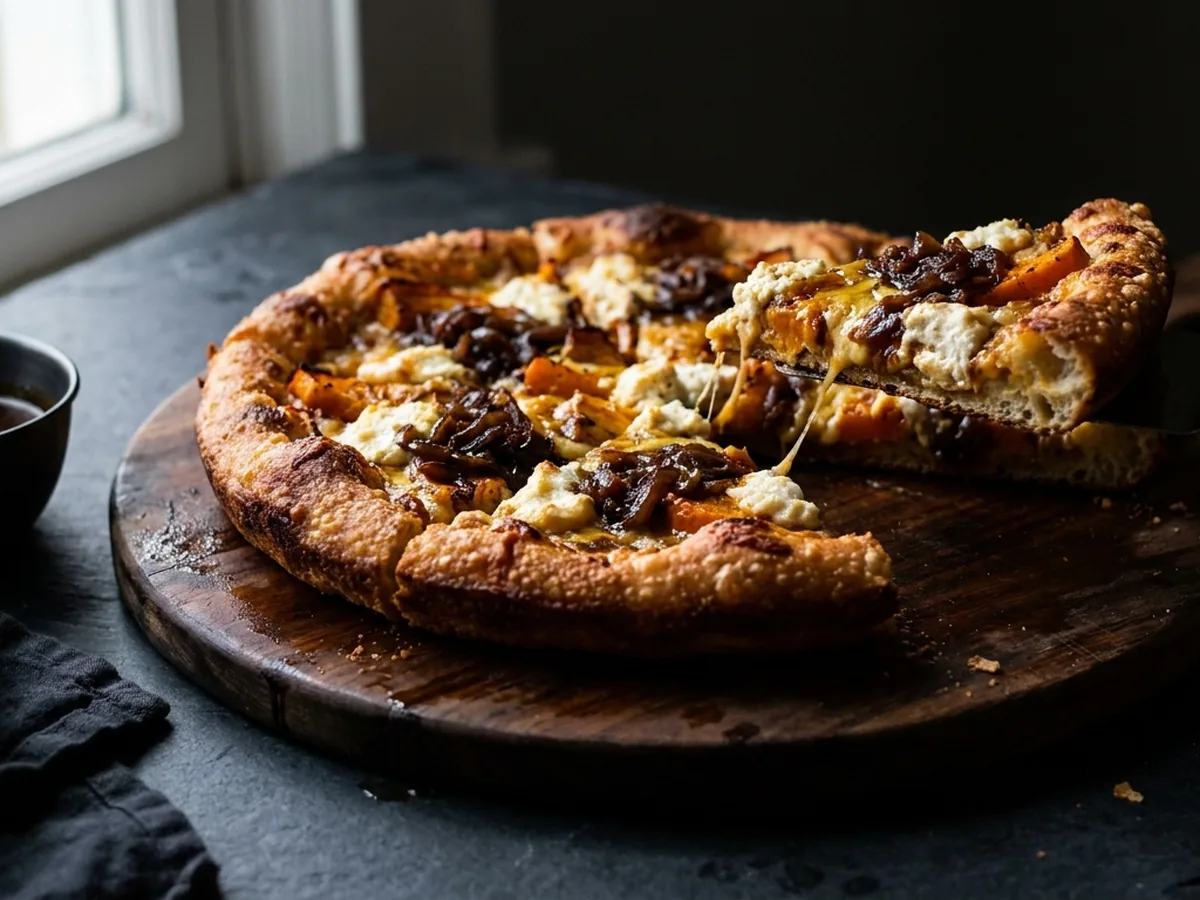
Three tablespoons of oil in the tin, a dough that proves where it bakes, and a base that fries from underneath. The o…