McDonald's
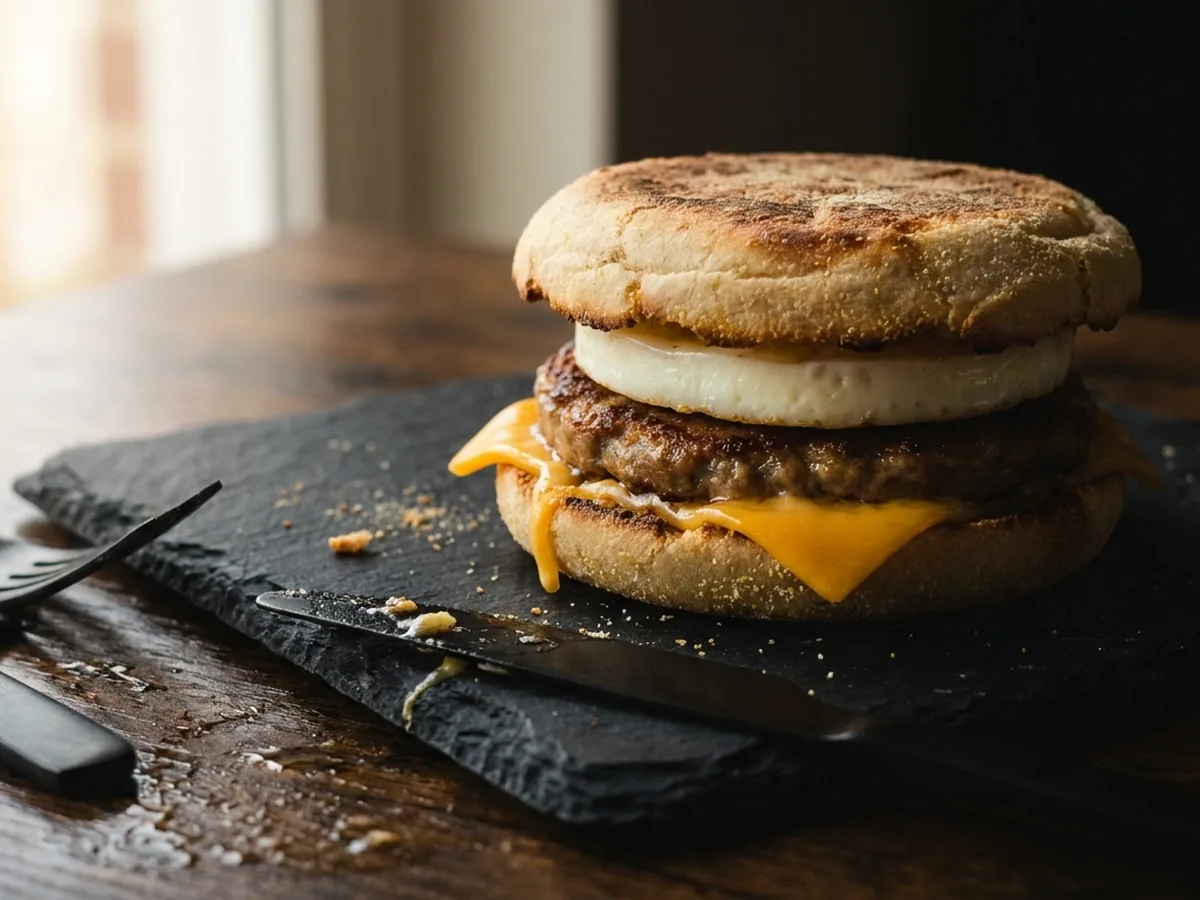
McDonald's Sausage and Egg McMuffin Copycat Recipe
A sage-heavy sausage patty, an egg cooked in a ring, and a properly toasted muffin. Fifteen minutes, and better than …
 food.fast
Takeaway taste, kitchen prices
Four Questions That Get You to the Right Order Faster
Menu boards are designed to be looked at in a particular order. Looking at them in a different order gets you a better answer in less time.
A board is laid out so that the highest-margin items are where your eyes go first: top centre on a digital board, top right on a printed one, and anything in a box or a contrasting colour.
Which means the fastest way to get a different answer is to start at the bottom and read upward, and to look at the unboxed items first.
This is not a claim that the featured items are bad. Often they are genuinely good and popular, which is part of why they are featured. It is that you already know what is being pushed, so the marginal information is elsewhere.
Two other quick habits:
Look at the value menu first, if there is one. It is usually at the far edge or on a separate panel, and it is frequently where the actual arithmetic is best.
Read the sides column before the mains column. Sides are where the margin is steepest and where an order silently grows by four or five pounds.
Comparing two burgers by price tells you almost nothing, because they contain different amounts of food.
A rough method that takes seconds:
Count the patties and the extras. A single patty burger at £4.49 and a double at £5.79 - the second patty costs £1.30. Is a patty worth £1.30 to you? Usually yes, and it is the cheapest way to add substance to an order.
Cheese and bacon are the expensive add-ons relative to their cost. A slice of cheese at 70p has a food cost of about 11p, which is the highest mark-up on most boards.
Chicken versus beef. In most markets chicken items are cheaper to produce and priced similarly, so beef usually gives more for the money.
Look at the meal deal uplift in isolation. If the burger is £4.99 and the meal is £7.29, you are paying £2.30 for chips and a drink. Compare that with the side prices printed elsewhere on the same board - sometimes the meal is a genuine saving and sometimes it is within pennies of buying the same items separately.
The published nutrition information, where it exists, is a useful proxy for content: calories per pound spent is a crude measure and a fast one.
From the price data on this site, four patterns hold across most chains and most markets.
Breakfast. The cheapest full meal on almost every chain menu, often by a wide margin, and usually available for several hours. A breakfast muffin and a coffee is frequently half the price of the equivalent lunch.
Sharing formats. Buckets, sharing boxes, large pizzas. The price per unit falls sharply with size, because packaging and service costs are roughly fixed per transaction rather than per item.
Value menus. They exist to get you through the door. Within their own terms they are usually good, and the trap is that they are positioned next to things that are not.
Off-peak and app-only offers. Apps carry item-level discounts that are not on the board at all, and the arithmetic on them is frequently much better than anything printed. The trade-off is the data you hand over, which is the actual price of the discount.
Where the deals are not: premium and limited-edition items, which are priced for novelty, and anything with the word "loaded" or "ultimate" in the name.
The fastest way to improve the arithmetic of a menu board is to ask a question the board cannot answer: would you rather have made this?
For a lot of chain food the answer is no, legitimately. You are out, you are hungry, somebody else is cooking, and that is the service you are buying.
But a meaningful proportion of chain ordering is a default rather than a decision - the same Friday order, the same lunchtime meal deal, the same coffee. Those are the ones where the cost calculator produces an uncomfortable annual number and where the recipes on this site are most useful.
The point of this hub is not that eating out is a mistake. It is that a menu board is a designed object, the design has goals that are not yours, and reading it deliberately takes thirty seconds and occasionally changes the answer.
A sage-heavy sausage patty, an egg cooked in a ring, and a properly toasted muffin. Fifteen minutes, and better than …
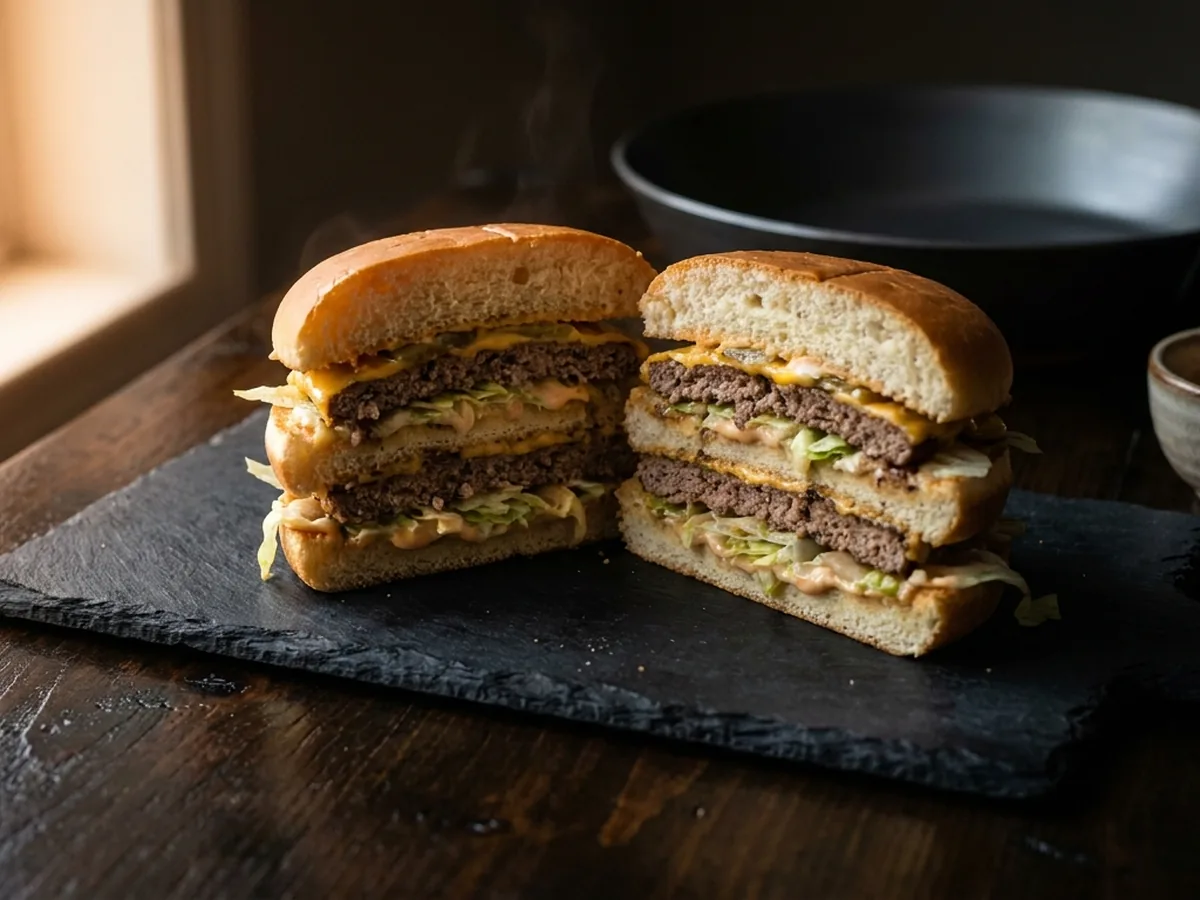
Two thin patties, a three-piece bun and the assembly order that stops the whole thing sliding apart on the second bit…
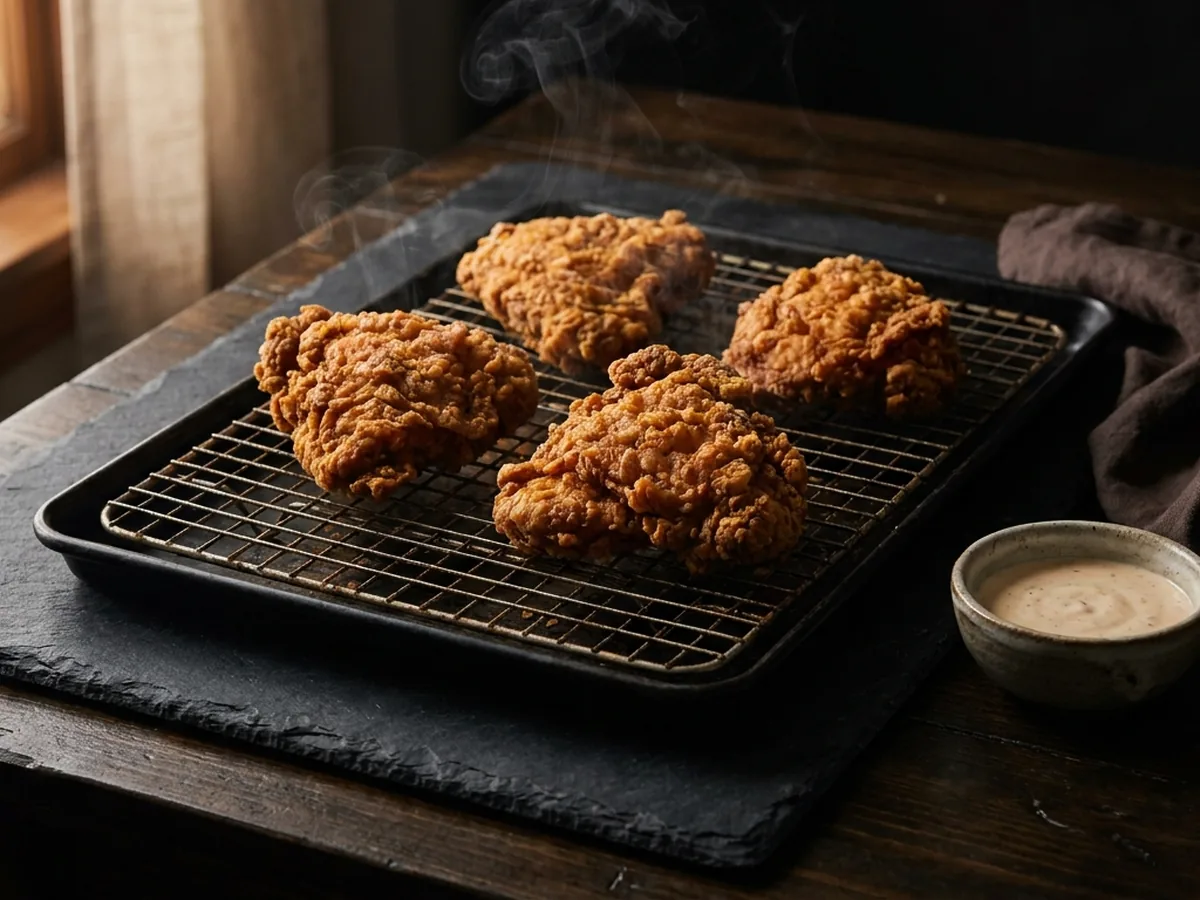
Buttermilk brine, a double dredge with a rest, and controlled shallow frying. Honest about the one thing a home kitch…