McDonald's
Big Mac Sauce Copycat Recipe
Eight minutes, one bowl, no cooking. The sweet pickle relish base that every 'secret sauce' recipe gets wrong, and th…
 food.fast
Takeaway taste, kitchen prices
An Emulsion Is Two Things That Do Not Want to Be Mixed
Mayonnaise, hollandaise, cheese sauce and vinaigrette are all the same problem with different answers. Understanding the problem once means you can fix any of them.
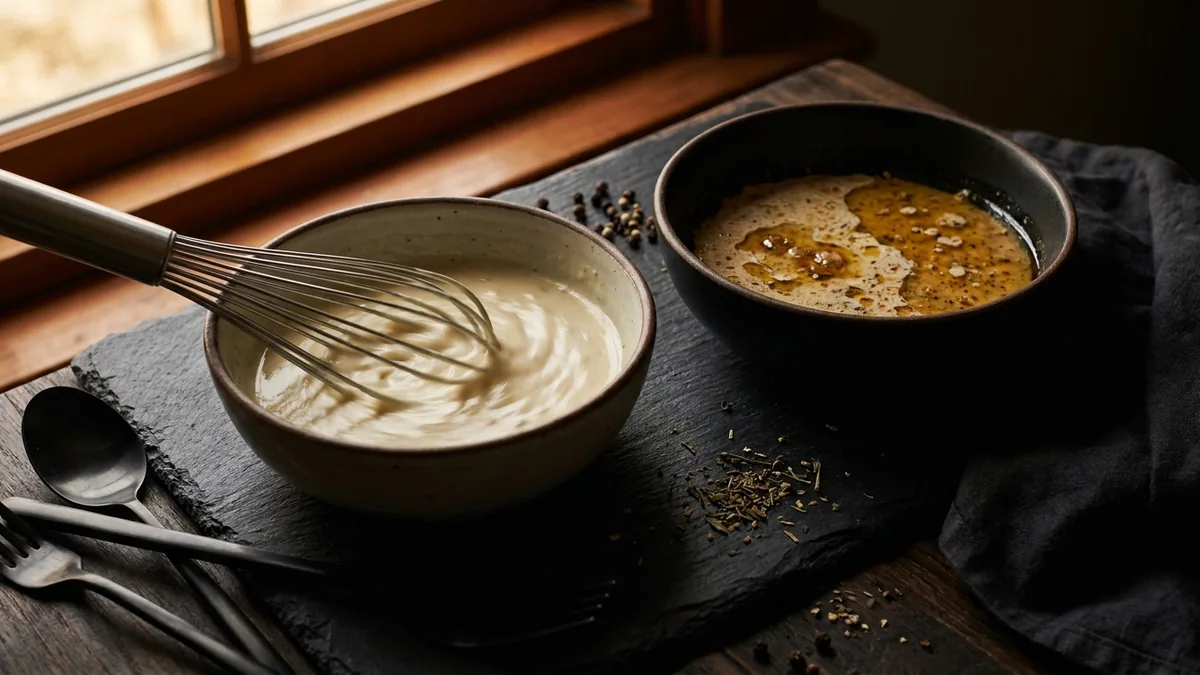
Oil and water do not mix. Left alone, oil droplets in water find each other, merge, and float to the top - a process called coalescence.
An emulsion is oil dispersed as tiny droplets through water, held apart by an emulsifier: a molecule with a water-loving end and an oil-loving end that sits at the boundary of each droplet and stops it merging with its neighbours.
In the kitchen the emulsifiers are:
Once you can name which emulsifier a sauce depends on, you can predict what will break it.
Heat. Proteins denature. Egg yolk lecithin stops working above about 85 °C and the yolk scrambles; casein clumps and squeezes out fat. This is why hollandaise splits over direct heat and why a cheddar sauce goes grainy.
Freezing. Ice crystals physically push the droplets together and force them to merge. On thawing, the phases stay separate. This is irreversible, which is why no mayonnaise-based sauce on this site can be frozen.
Adding the oil too fast. An emulsion has a limited amount of emulsifier. Add oil faster than the emulsifier can coat it and the excess droplets find each other. One egg yolk stabilises roughly 200 ml of oil, added slowly. Dump 200 ml in at once and you get scrambled egg in oil.
A fourth, less obvious one: too much of the dispersed phase. Push a mayonnaise past about 80 per cent oil by volume and there is simply not enough water for the droplets to sit in, and it collapses. This is why adding too much peri-peri sauce to a Perinaise makes it runny and then splits it.
| Sauce | Emulsifier | Breaks at | Rescuable? |
|---|---|---|---|
| Mayonnaise | Egg yolk lecithin | Fast oil, freezing | Yes, reliably |
| Hollandaise | Egg yolk lecithin | Above 85 °C | Yes, with cold water |
| Vinaigrette | Mustard, weakly | Standing still | Yes, just whisk |
| Cheese sauce | Casein | Boiling | Yes, with citrate or a blender |
| Béchamel | Starch | Rarely breaks | Yes, whisk hard |
| Butter sauce | Milk proteins | Overheating | Yes, cold butter |
This works for mayonnaise, hollandaise, aioli and most split sauces, and it feels like magic the first time.
What you are doing is building a new emulsion and using the broken sauce as the oil supply. Because you are adding it slowly, the new emulsifier can keep up.
The critical part is going slowly at the start. The first four or five teaspoons decide whether it works. After that the emulsion is established and robust.
This does not work on a frozen-and-thawed emulsion, because the damage there is physical and total.
Cheese sauce breaks differently and the fix is different.
Cheese is already an emulsion - fat held in a protein matrix. Heat makes the casein proteins contract and bond to each other, squeezing the fat out. What you get is a rubbery protein clump sitting in a pool of orange oil.
Three solutions, in order of how well they work:
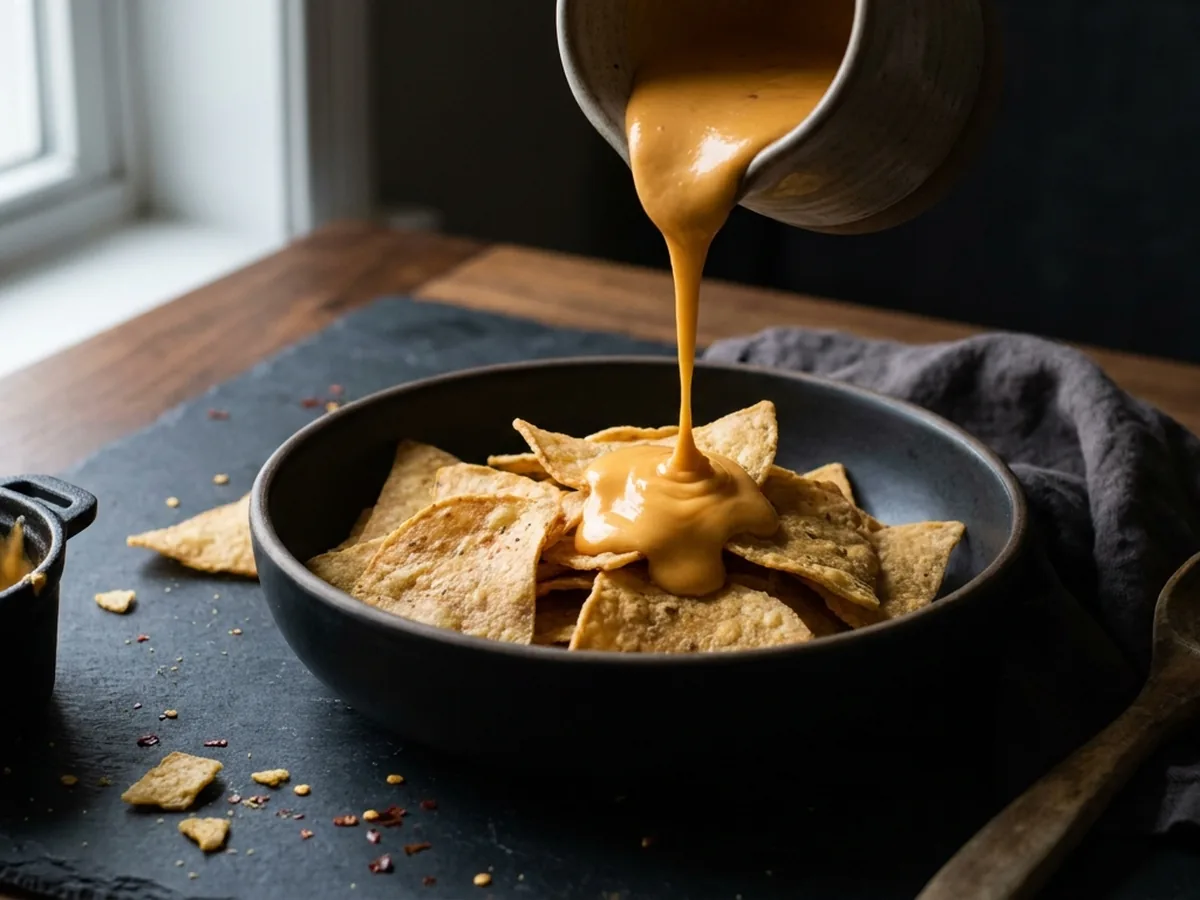
Sodium citrate. It binds the calcium ions that let casein proteins clump, so they disperse instead and act as emulsifiers themselves. Two teaspoons per cup of liquid turns any cheese into a sauce that never splits, hot or cold, however many times you reheat it. This is the transformative one and the nacho cheese page covers it fully.
Starch. A roux or a cornflour slurry thickens the water phase so the fat cannot escape. Reliable, and gives an opaque sauce that sets when cold - right for macaroni cheese, wrong for a dip.
Evaporated milk. Higher protein and calcium concentration than fresh milk, which provides more natural emulsifying capacity. This is the no-special- ingredient route and it genuinely works.
To rescue a split cheese sauce: a stick blender while it is still warm brings it back about eighty per cent of the time. It is not elegant and it works.
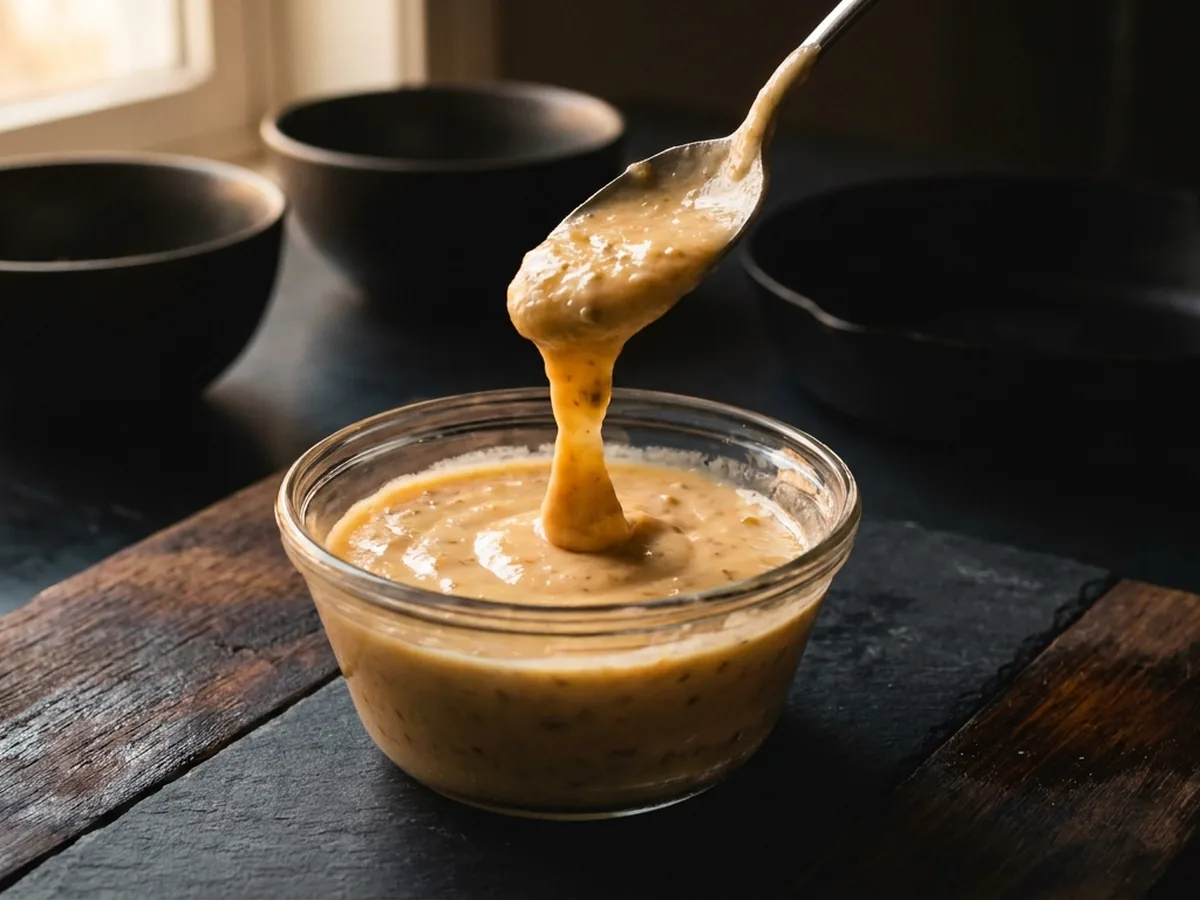
Eight minutes, one bowl, no cooking. The sweet pickle relish base that every 'secret sauce' recipe gets wrong, and th…
Sodium citrate is the whole answer. A smooth, pourable cheese sauce from real cheddar that stays smooth when it cools…
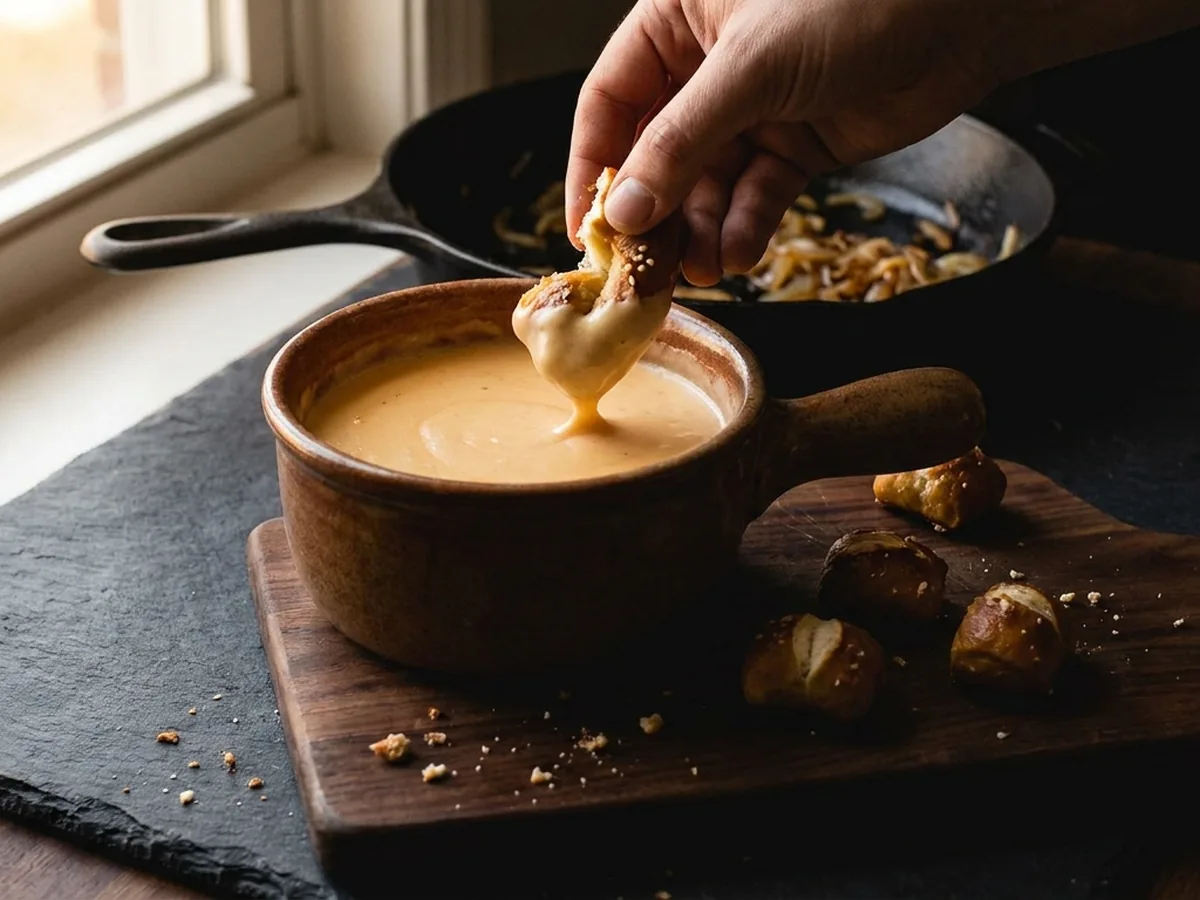
The pretzel dip - milder and thinner than a queso, built to stay liquid in a paper pot. Eight minutes.
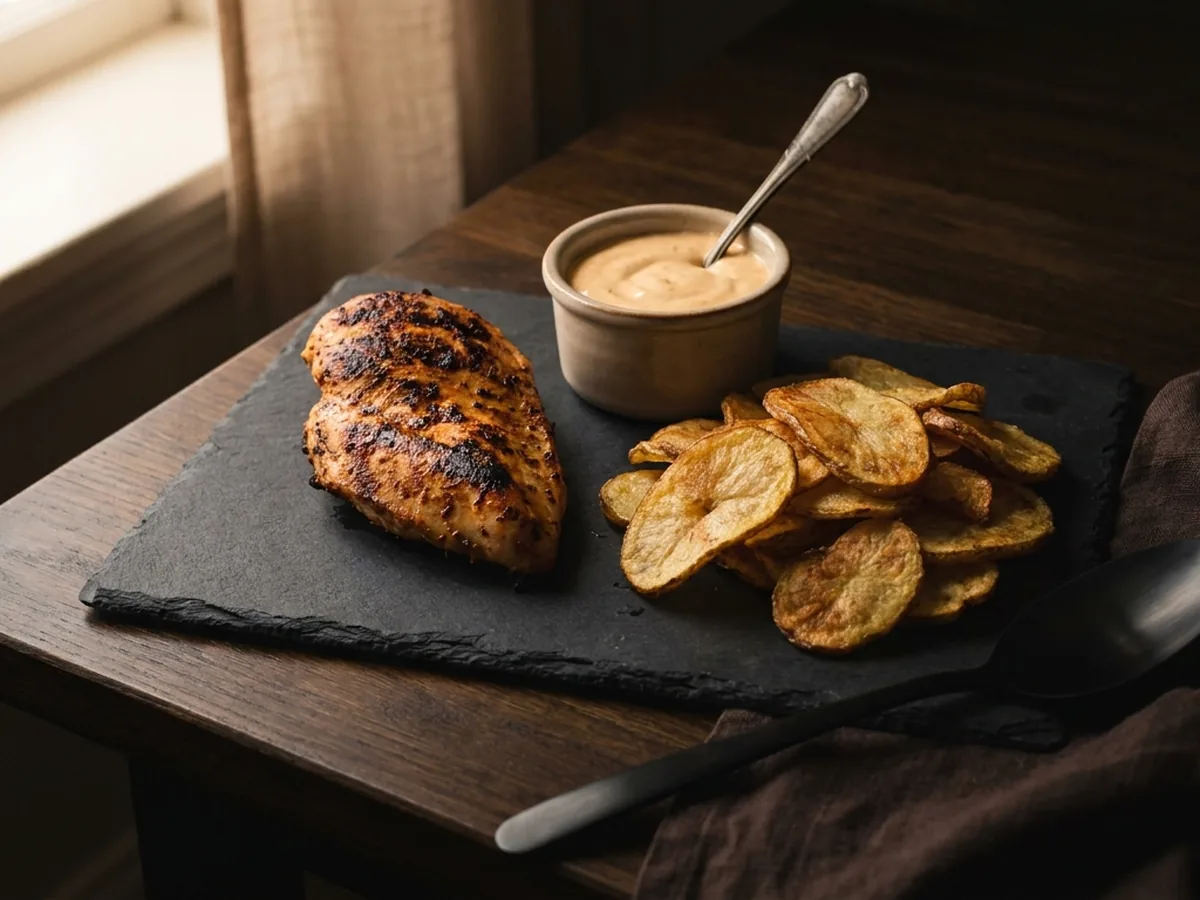
Peri-peri sauce folded into mayonnaise. The ratio is the entire recipe and most people get it wrong in the same direction.