Starbucks
Starbucks Vanilla Syrup Copycat Recipe
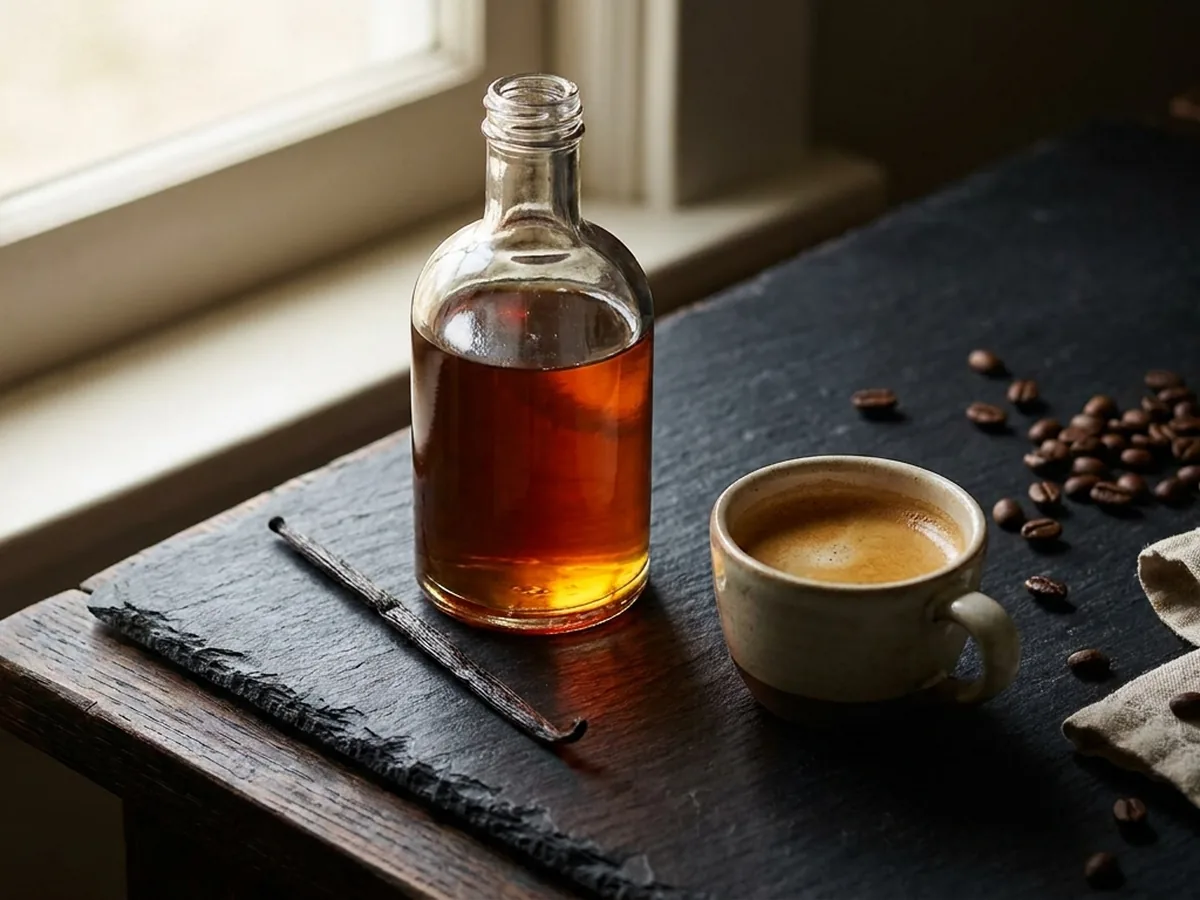
Sugar, water, vanilla. Four minutes on the hob for a bottle that costs about forty pence and replaces a shelf of them.
 food.fast
Takeaway taste, kitchen prices
Why a Home Mocha Tastes Thin, and the One-Word Answer
Coffee chains divide their flavourings into syrups and sauces and the distinction is not branding. Using one where the other belongs is the commonest reason a home version disappoints.
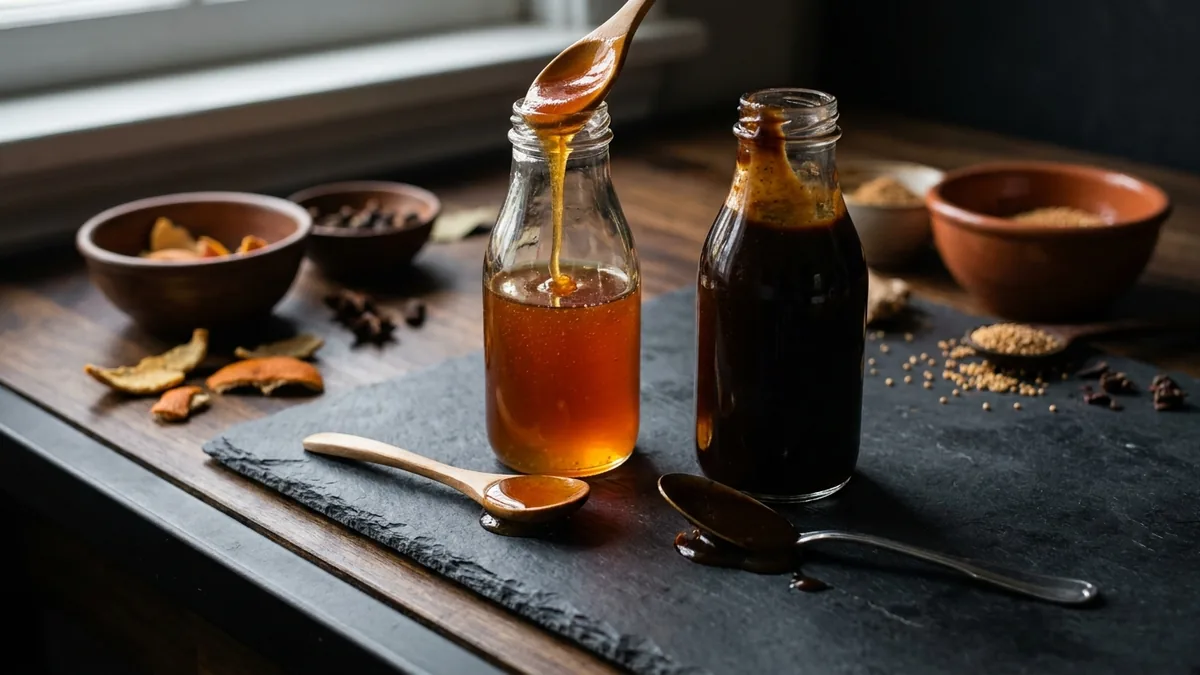
A syrup is sugar dissolved in water, with flavouring. It is thin, clear or lightly coloured, and it disperses instantly into anything. Vanilla, hazelnut, caramel syrup, cinnamon, brown sugar, peppermint, gingerbread.
A sauce contains dairy - condensed milk, cream or melted chocolate - and often cocoa solids or fruit purée. It is thick and opaque, it clings to the inside of a cup, and it will not dissolve in cold or lukewarm liquid. Mocha, white mocha, pumpkin spice, caramel brulée.
Three practical consequences:
Substituting a syrup for a sauce gives a thin drink. A mocha made with chocolate syrup tastes like sweetened coffee with a chocolate note; one made with a sauce tastes of chocolate. This is the single commonest home mistake.
Sauces must be dissolved in the hot coffee first, before any milk. Added to warm milk they sink and sit at the bottom of the cup in a lump.
They keep for different lengths of time. A 2:1 sugar syrup keeps six months in the fridge because the sugar concentration inhibits microbial growth. A sauce with dairy in it keeps about a month.
| Flavour | Type | Contains | Keeps |
|---|---|---|---|
| Vanilla | Syrup | Sugar, water, extract | 6 months |
| Hazelnut | Syrup | Sugar, water, extract | 6 months |
| Caramel syrup | Syrup | Sugar, water | 6 months |
| Caramel drizzle | Sauce | Sugar, cream, butter | 3 weeks |
| Mocha | Sauce | Cocoa, sugar, condensed milk | 1 month |
| White mocha | Sauce | White chocolate, condensed milk | 1 month |
| Pumpkin spice | Sauce | Purée, condensed milk, spices | 2 weeks |
| Toffee nut | Syrup, buttered | Brown sugar, butter | 3 weeks |
The ratio. Two parts sugar to one part water by volume - a rich syrup - rather than the 1:1 simple syrup most recipes give. It is thicker, sweeter per spoonful so you add less liquid to a drink, and keeps six times as long.
The method. Sugar and water into a pan on a medium heat. Stir until it goes completely clear, which happens suddenly as the last crystals dissolve. Then stop stirring and give it two minutes at a bare simmer - agitating a hot sugar solution encourages crystals to form on the pan sides and seed the batch.
The flavouring goes in off the heat. Extracts are volatile; added to boiling syrup you can literally smell the vanilla leaving the pan.
Steeped ingredients go in during the simmer and are strained out after: a split vanilla pod, cinnamon sticks, toasted hazelnuts, citrus peel, culinary lavender. Lavender for five minutes only, or it goes soapy.
A pinch of salt in every batch. An eighth of a teaspoon is below the taste threshold and suppresses bitterness in whatever you put the syrup in, which makes coffee taste rounder.
The vanilla syrup recipe has the full method and the whole family of variations built on it.
A sauce needs the dairy cooked in gently and, for anything chocolate, the cocoa bloomed first.
Blooming cocoa. Cocoa powder whisked into a small amount of boiling liquid before anything else forms a smooth dark paste and releases considerably more flavour than cocoa stirred into a cold or warm mixture. Heat and moisture break down the cocoa's cell structure and free the compounds inside.
This is the same principle as blooming spices with one difference: cocoa's key compounds are partly water-soluble, so it blooms in hot liquid rather than in fat.
Then the condensed milk, gently. Condensed milk scorches readily on a hot pan base and a scorched batch tastes burnt all the way through. Low heat, constant whisking, scrape the base.
Judge the thickness hot and slightly loose, because it thickens substantially as it cools.
Dutch-processed cocoa is alkalised and gives the darker, smoother, less acidic result closest to the commercial product. Natural cocoa is sharper and fruitier, which is good and different.
A pump in a coffee shop is roughly 15 ml, and their drinks carry a lot of them - a tall gets three, a grande four, a venti five or six.
At home, start at two teaspoons per cup for a syrup and one to two tablespoons for a sauce, and adjust.
Almost everybody who starts making their own recalibrates downwards within a fortnight, because shop drinks turn out to be considerably sweeter than they seemed when that was the only reference point.
Two things change the answer:
Ice. An iced drink needs more, because dilution works against you and because cold suppresses perceived sweetness.
Blending. A frozen blended drink needs about half as much again as a hot one for the same perceived sweetness, for the same reason.
The full dosing table is on the vanilla syrup page, and the annual arithmetic - which is the actual argument - is in the coffee habit article.
Sugar, water, vanilla. Four minutes on the hob for a bottle that costs about forty pence and replaces a shelf of them.
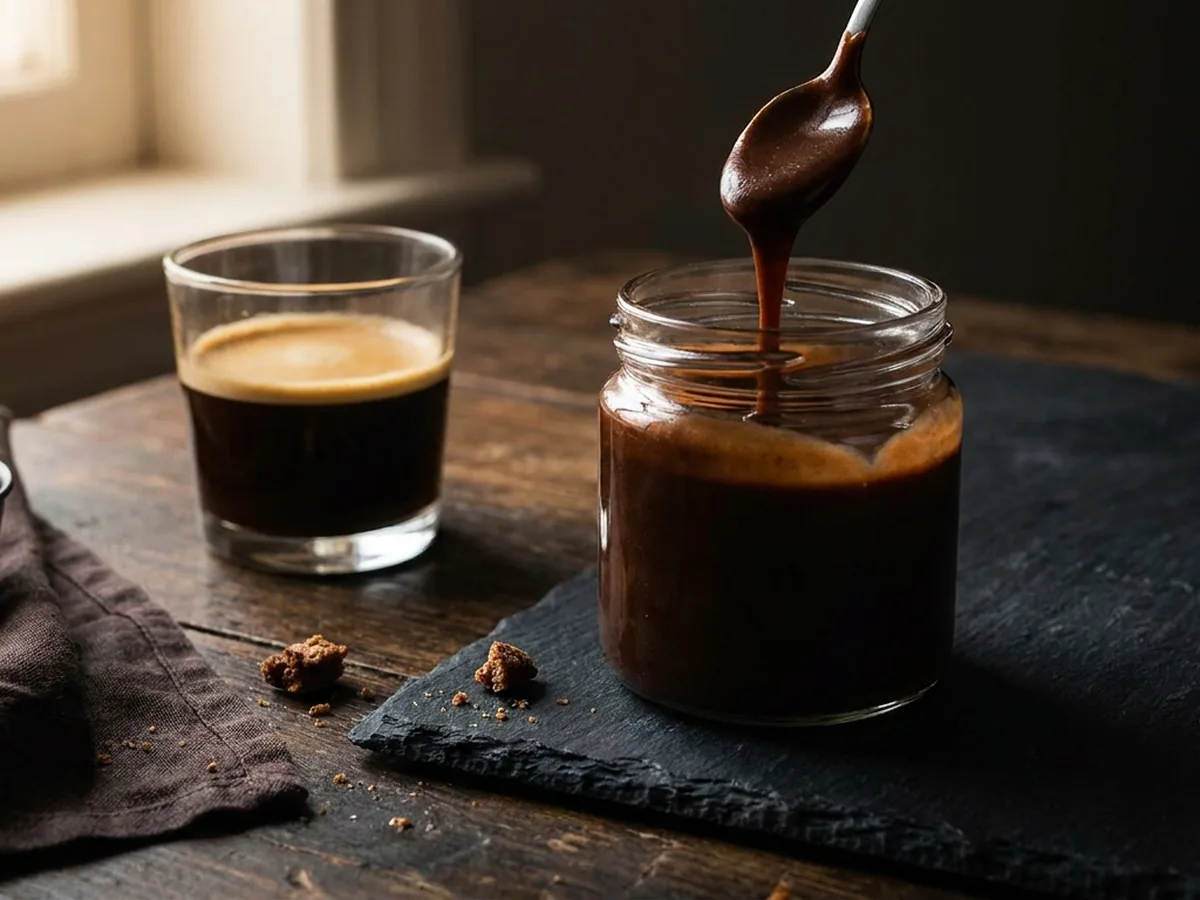
Cocoa, sugar and condensed milk cooked into something that clings. Eight minutes, and the reason home mochas taste thin.
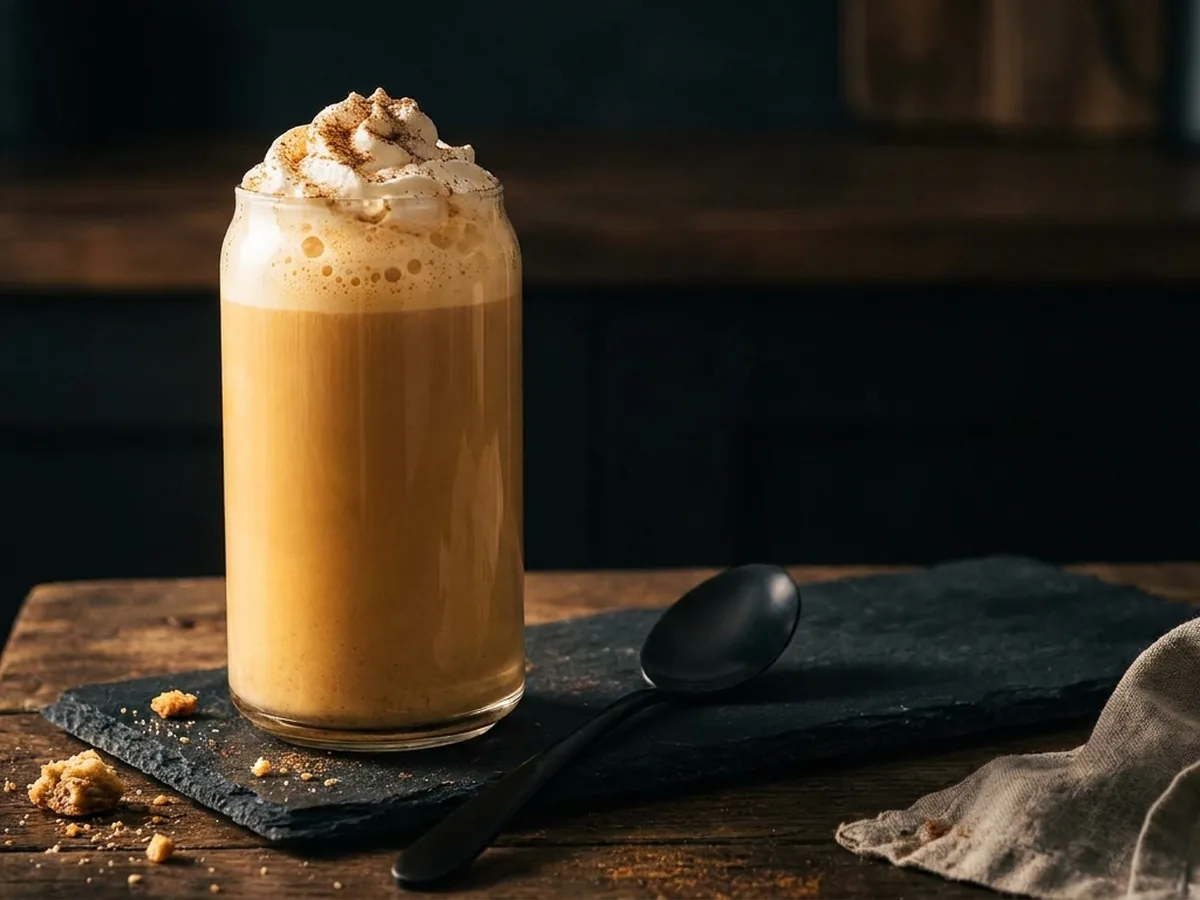
A pumpkin spice sauce made in fifteen minutes that keeps two weeks, and the drink built from it in ninety seconds.
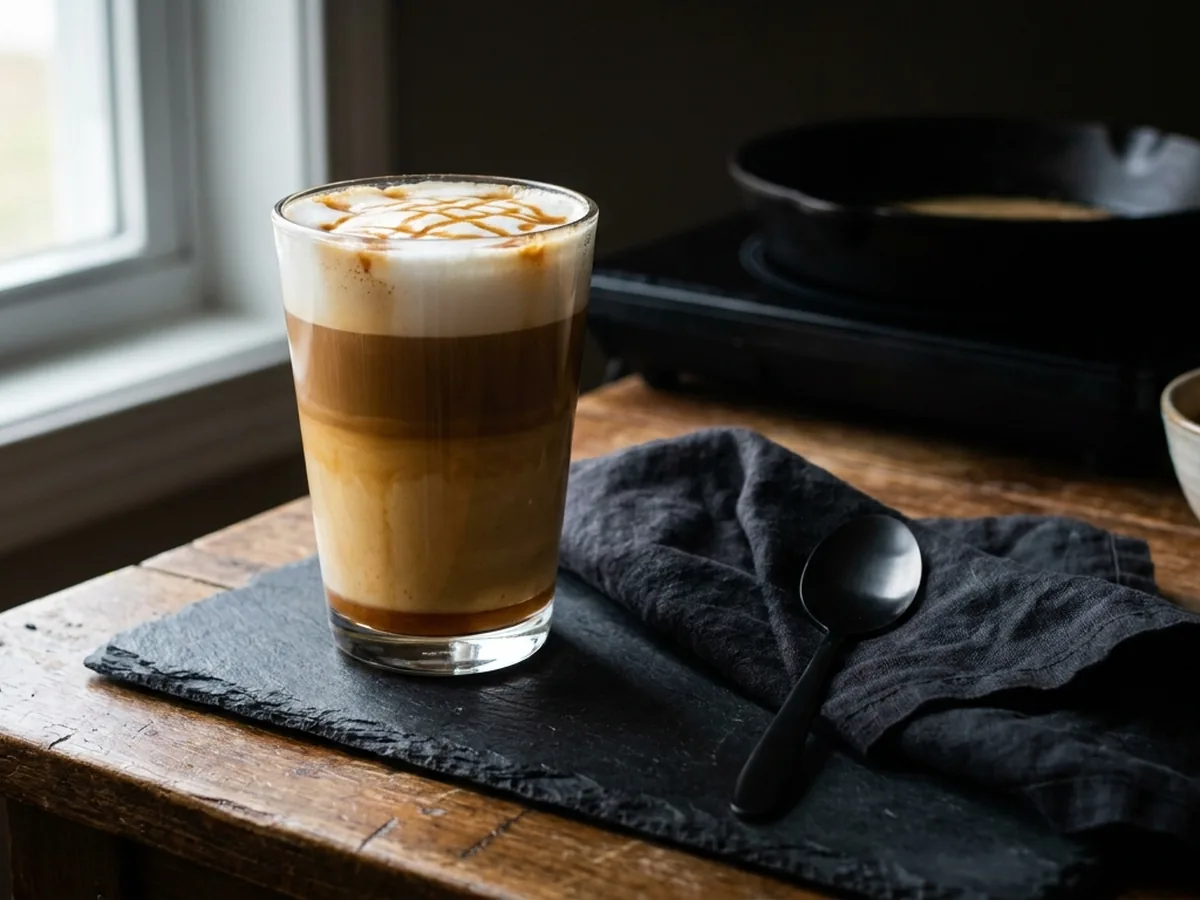
Vanilla syrup, milk, espresso poured last so it marks the foam, and a caramel drizzle. Two minutes once the syrup is made.