Subway
Subway Italian Herbs and Cheese Bread Copycat Recipe
An enriched white dough baked in a shallow trough, finished with a herb and cheese blanket in the last four minutes. …
 food.fast
Takeaway taste, kitchen prices
Fat, Sugar, Egg and Milk Powder - What Each One Changes
Every chain bun, roll and doughnut is an enriched dough, and the enrichment is doing four separate jobs. Here is what each ingredient contributes and what it costs you in handling.
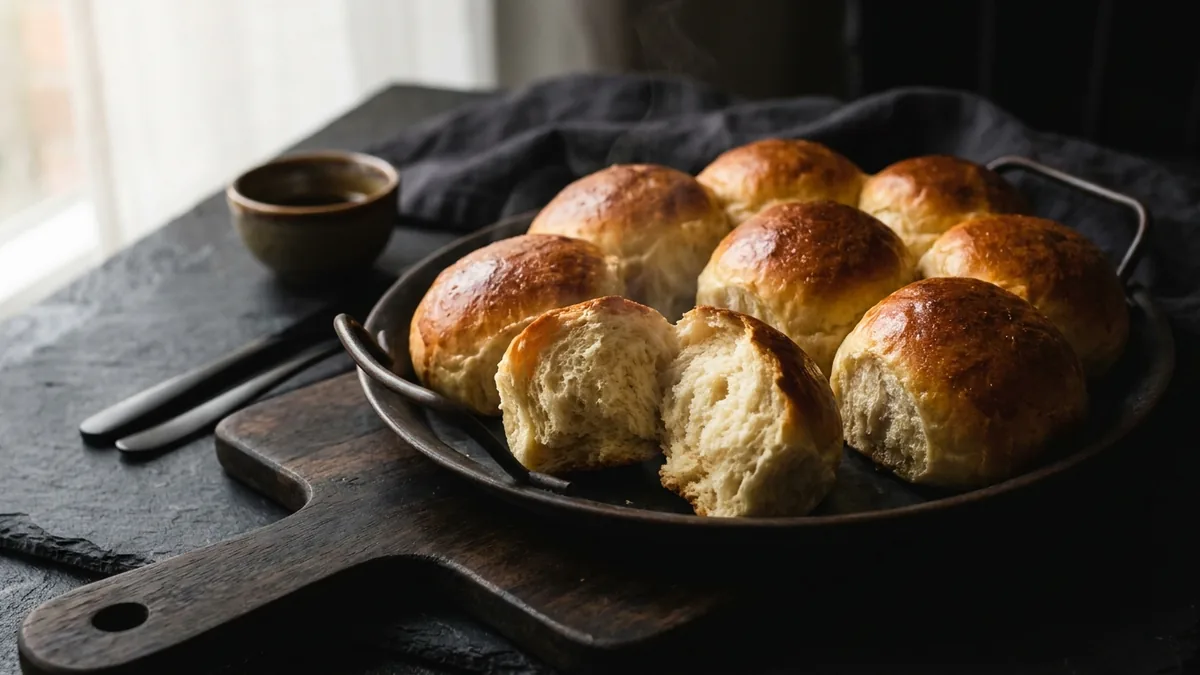
Gluten is a network of long protein strands that develop when flour and water are worked. That network is what gives bread its chew and its ability to trap gas.
Fat physically coats those strands and interrupts the network - "shortening" it, which is where the word shortening comes from. The result is:
The trade-off is structure. A dough with 15 per cent fat cannot hold as much gas as a lean one, so it rises less and is less able to support itself. Beyond about 20 per cent the dough struggles to come together at all.
Add fat after the initial mix, which is why every enriched recipe on this site holds it back. Fat added at the start coats the flour before the gluten has formed and the dough takes far longer to develop.
Which fat matters. Butter tastes better; vegetable shortening gives a noticeably softer, more tender crumb because it is 100 per cent fat where butter is 80 per cent fat and 16 per cent water. The doughnut recipe gives both options for that reason.
It feeds the yeast, up to a point. A little sugar accelerates fermentation. Above about 10 per cent it starts slowing it down instead, because the sugar competes with the yeast for available water - a phenomenon called osmotic pressure. This is why a heavily sweetened dough needs more yeast, not less.
It browns. Sugar caramelises and participates in the Maillard reaction at lower temperatures than starch does, which is why enriched buns colour so much faster than lean bread.
It holds water in the finished crumb. Sugar is hygroscopic - it binds water molecules and keeps them from evaporating or being locked into retrograding starch. This is the biggest reason a chain burger bun is still soft on day three while a supermarket white loaf is not.
Typical levels:
Almost every commercial enriched bread contains skimmed milk powder, and almost no home recipe calls for it. It is the clearest single gap between a bakery bun and a home one.
It does three things:
Lactose browns. Milk sugar caramelises readily and is not fermented by baker's yeast, so all of it survives into the oven. Milk powder gives a deeper, more even colour at the same temperature.
Milk proteins soften the crumb. Casein and whey interfere slightly with gluten development and hold water, producing a finer, softer texture.
It adds flavour - a faint dairy roundness that is hard to identify and obvious when absent.
Four to six per cent of the flour weight is the usual range. A 250 g bag costs about three pounds and lasts a long time.
Why powder rather than liquid milk? Liquid milk adds water, which changes the hydration, and it contains enzymes that weaken gluten unless the milk is scalded first. Powder gives you the milk solids without either problem. If you only have liquid milk, use it in place of the water and scald it first - heat to 80 °C and cool - which deactivates those enzymes.
Enriched doughs behave differently and the differences catch people out.
They take longer to come together. Fat and sugar both slow gluten development. An enriched dough looks greasy, broken and hopeless for the first five minutes of kneading and then suddenly turns smooth. Keep going.
They rise more slowly. Ninety minutes to two hours rather than sixty. Use more yeast - 2 per cent rather than 1 - and be patient.
They are stickier than the hydration suggests, because the fat makes them tacky. Resist adding flour. Use a scraper, oiled hands, and a cold rest if the dough is unmanageable - thirty minutes in the fridge firms the fat and the dough handles like a different material.
They brown fast. Watch the oven and be ready to tent with foil. The sugar and milk solids colour well before the inside is done, particularly on anything baked above 200 °C.
They stale slowly but dry out quickly once cut. Wrap them once completely cool, not before - warm bread in a bag makes condensation and a soggy crust.
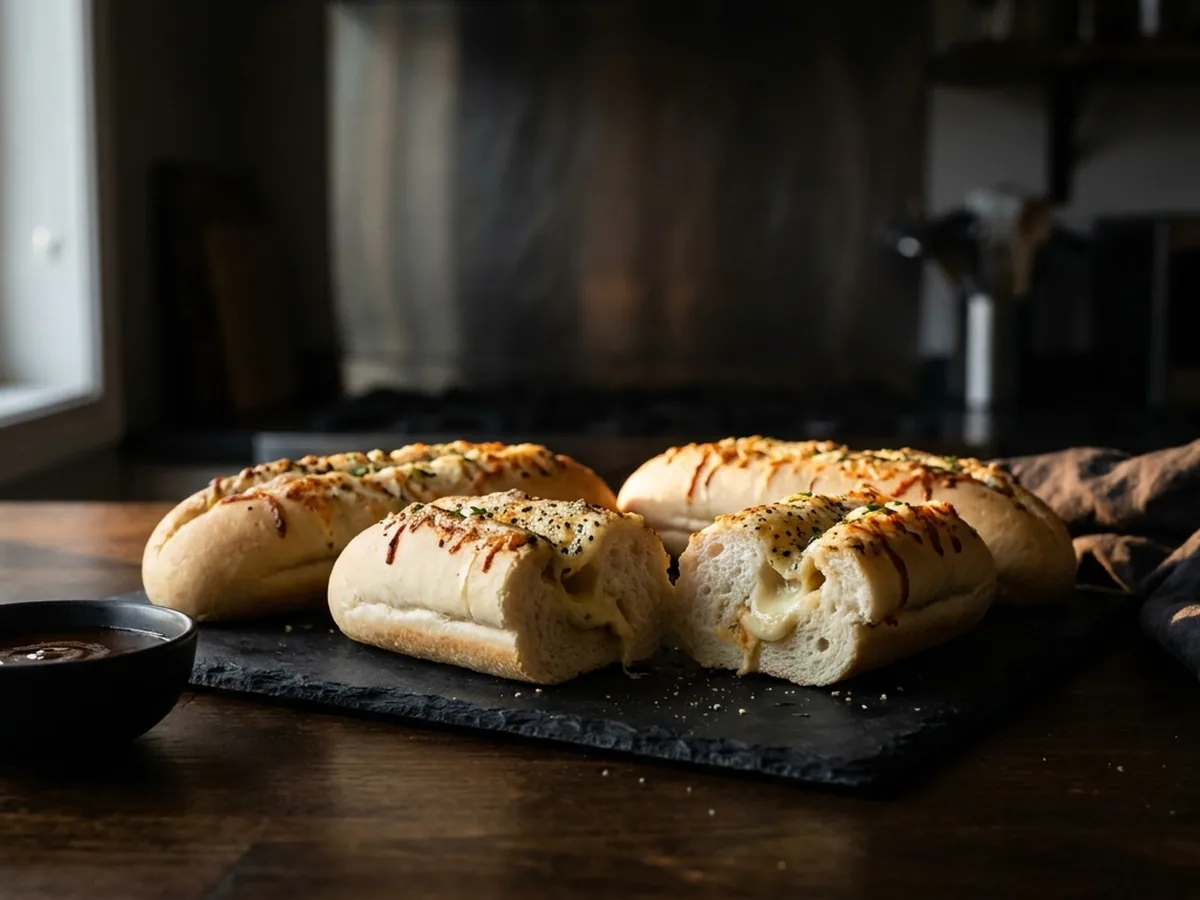
An enriched white dough baked in a shallow trough, finished with a herb and cheese blanket in the last four minutes. …
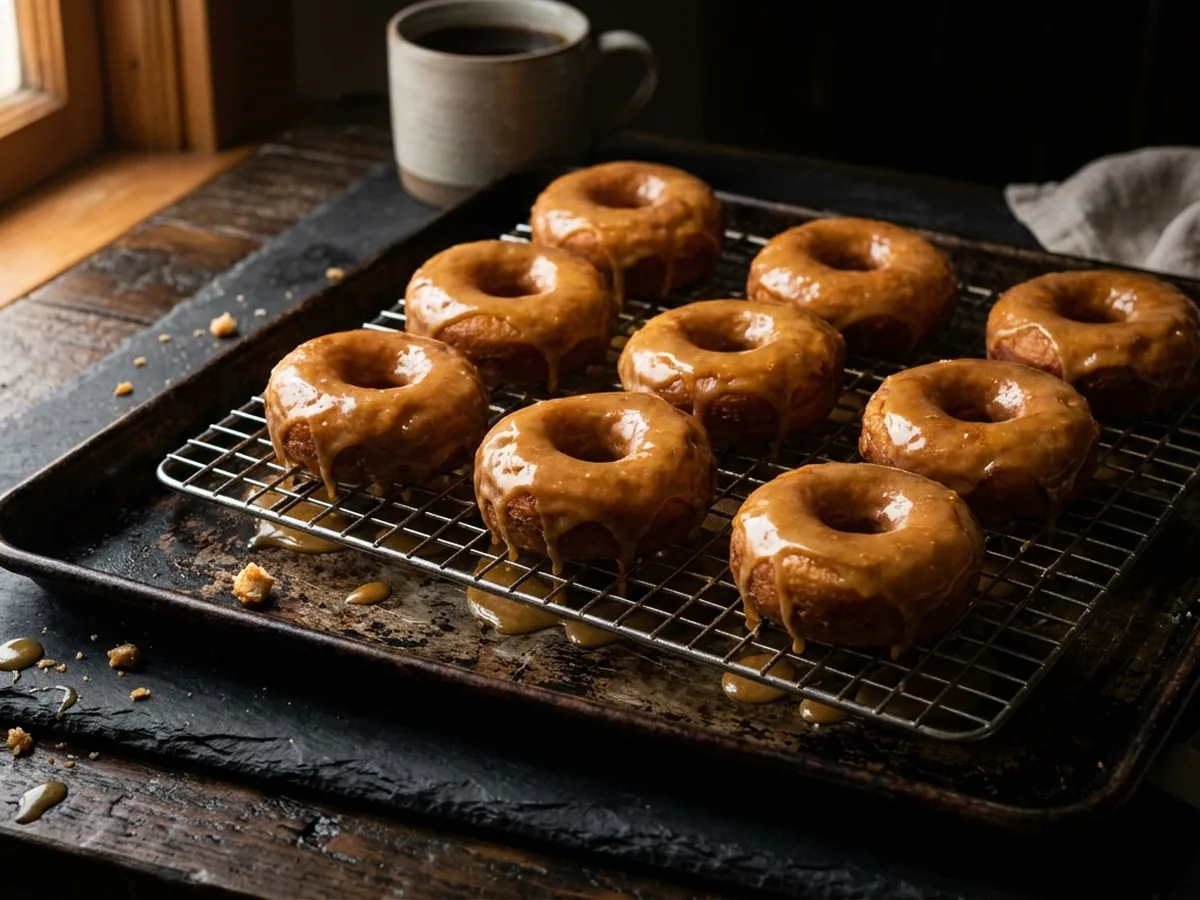
A very soft enriched dough, a short proof, forty-five seconds a side, and a thin glaze applied immediately. The heat …
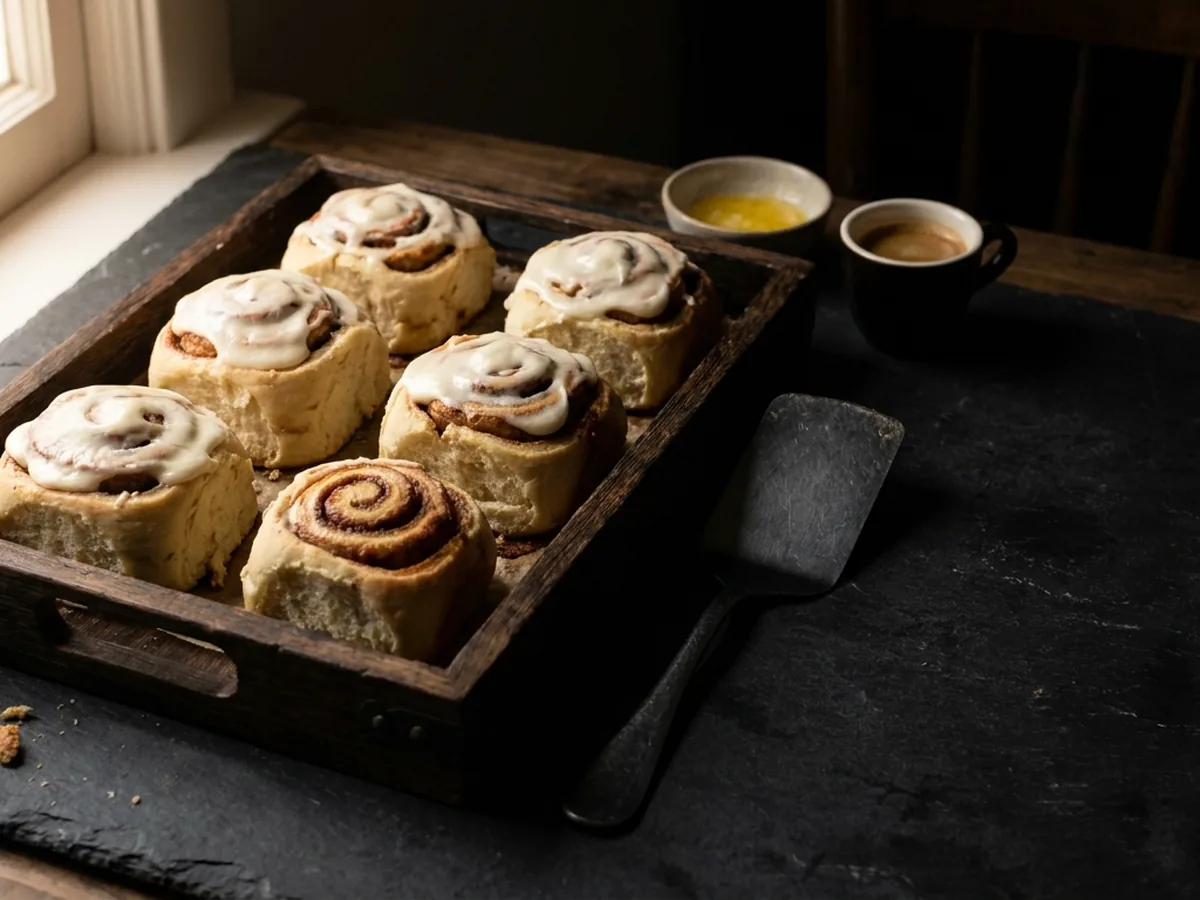
An enriched dough, a filling that is a third cinnamon by volume, and a cream cheese frosting with a much higher chees…
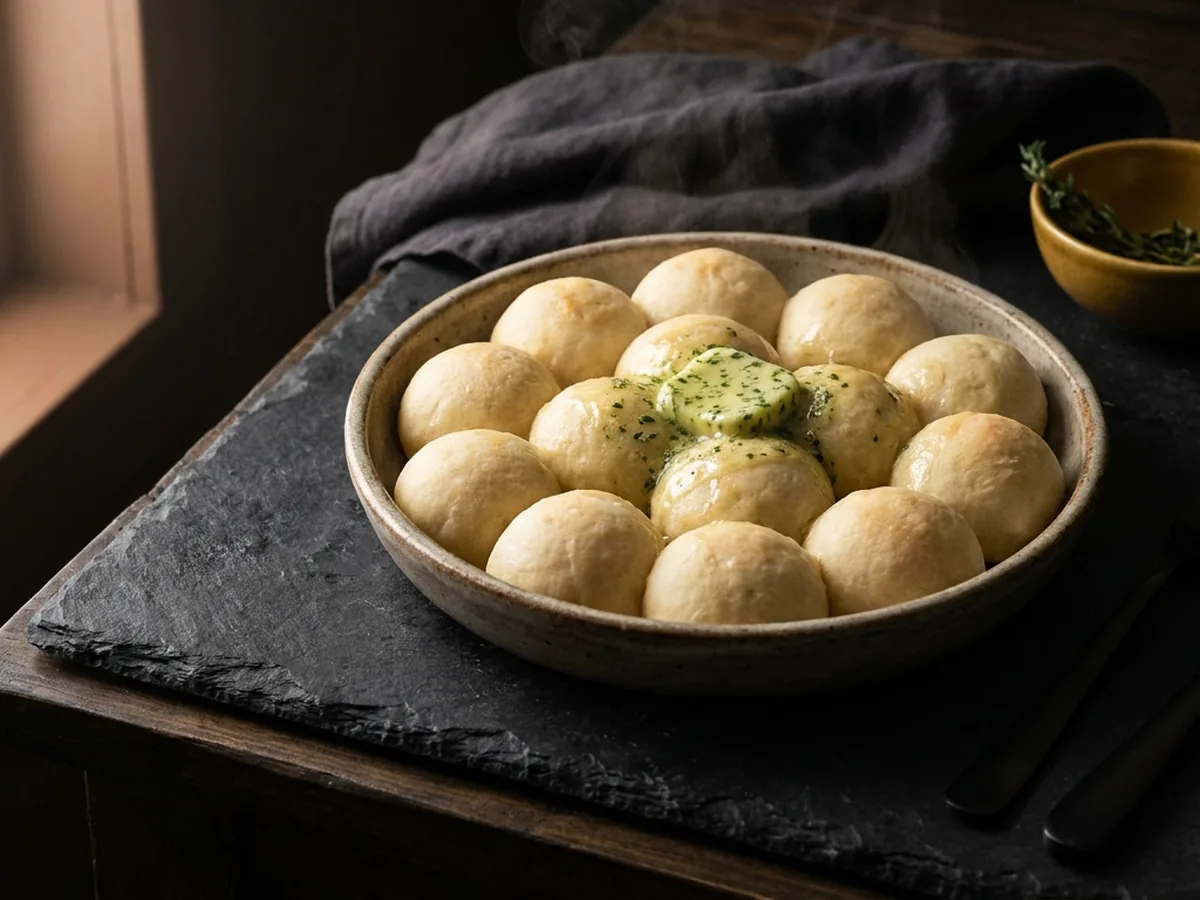
Walnut-sized, baked hot and fast so they stay pale and pillowy, with a soft garlic butter that melts into them. About…