Pizza Hut
Pizza Hut Pan Pizza Copycat Recipe
Three tablespoons of oil in the tin, a dough that proves where it bakes, and a base that fries from underneath. The o…
 food.fast
Takeaway taste, kitchen prices
Every Dough on This Site Is Written Twice, and the Second Way Is More Useful
Express every ingredient as a percentage of the flour weight and you can compare any two doughs at a glance, scale to any quantity, and diagnose most problems from the numbers alone.
Flour is 100 per cent. Every other ingredient is expressed as a percentage of the total flour weight. The percentages add up to well over 100, which is the one thing that confuses people initially and stops mattering immediately.
So a dough at 65 per cent hydration, 2 per cent salt and 1 per cent yeast means: for every 1,000 g of flour, 650 g of water, 20 g of salt and 10 g of yeast.
Why this is better than a list of quantities:
Scaling is multiplication. Want half? Multiply the flour by 0.5 and everything follows. Want enough for eleven pizzas? Work out the flour and multiply.
Comparison is immediate. Two recipes with different quantities can be compared directly once both are in percentages. You can see at a glance that one is wetter, saltier or more enriched than the other.
Diagnosis becomes possible. A dough that will not hold its shape at 75 per cent hydration is behaving normally. The same complaint at 58 per cent means something else is wrong.
Every dough recipe on this site prints both the quantities and the percentages, because the quantities are what you weigh and the percentages are what you learn from.
Water as a percentage of flour is the single most important figure in a dough.
Low hydration, 50 to 58 per cent. Stiff, easy to handle, tight even crumb. Bagels, pretzels, pasta. The dough resists and holds shape.
Medium, 60 to 65 per cent. The workhorse range. Sandwich bread, most pizza, enriched buns. Handleable, with a soft, regular crumb.
High, 70 to 80 per cent. Slack, sticky, requires technique. Ciabatta, focaccia, artisan sourdough. Gives the open, irregular, holey crumb people photograph.
Very high, 80 per cent and up. Barely a dough. Specialist territory.
Where the recipes on this site sit:
| Dough | Hydration | Why |
|---|---|---|
| Subway bread | 60% | Tight, soft, foldable |
| Domino's pizza | 62% | Chewy, pressable |
| Pan pizza | 65% | Wetter, so it can be pressed and proved in the tin |
| Doughnuts | 60% plus fat | Soft to the point of feeling wrong |
| Pretzels | 60% | Firm enough to roll into ropes |
Flour absorbency varies, which is the caveat. Wholemeal absorbs more than white; a strong bread flour absorbs more than a plain flour. The same percentage can feel different with different flour, which is why every recipe describes how the dough should feel as well as what to weigh.
| Ingredient | Typical | What it does | Out of range |
|---|---|---|---|
| Salt | 1.8-2.2% | Flavour, tightens gluten, slows yeast | Under 1.5% tastes flat; over 2.5% inhibits the yeast |
| Instant yeast | 0.5-2% | Leavening | Low for long ferments, high for fast ones |
| Fat | 0-15% | Tenderises, softens, extends shelf life | Over 15% and gluten struggles |
| Sugar | 0-15% | Feeds yeast, browns, softens | Over 10% slows the yeast noticeably |
| Milk powder | 0-6% | Softness and browning | Rarely goes higher |
| Egg | 0-20% | Richness, colour, structure | Enriched territory |
Two relationships worth internalising:
More enrichment means slower rising. Fat coats gluten strands and slows their development; sugar competes with the yeast for water. This is why the Subway dough uses 2 per cent yeast and rises for ninety minutes, while the lean Domino's dough uses 0.5 per cent and ferments for two days.
Salt and yeast are in tension. Salt slows fermentation, which is partly why it is added after an initial mix in most of these recipes.
Baker's percentages only work with weight, which is the practical reason every dough recipe on this site is in grams.
A cup of flour varies by up to 20 per cent depending on how it was filled. Scooped straight from the bag and packed down: about 150 g. Spooned in and levelled: about 120 g. Sifted first: about 110 g.
That is a 40 g swing on a single cup. On a four-cup recipe it is 160 g - the difference between a 62 per cent hydration dough and a 52 per cent one. Which is the difference between pizza and a cracker.
For a sauce this does not matter; an extra spoonful of mayonnaise changes very little. For a dough it is the whole recipe, and it is why home baking is so often inconsistent between attempts by the same person following the same page.
Digital scales cost about eight pounds. They are the single best value purchase in a kitchen and the kit guide puts them in the top four items for exactly this reason.
The metric toggle on every recipe on this site handles cups-to-grams conversion using real ingredient densities, and the doughs are written in grams from the start because for a dough there is no honest cup measure.
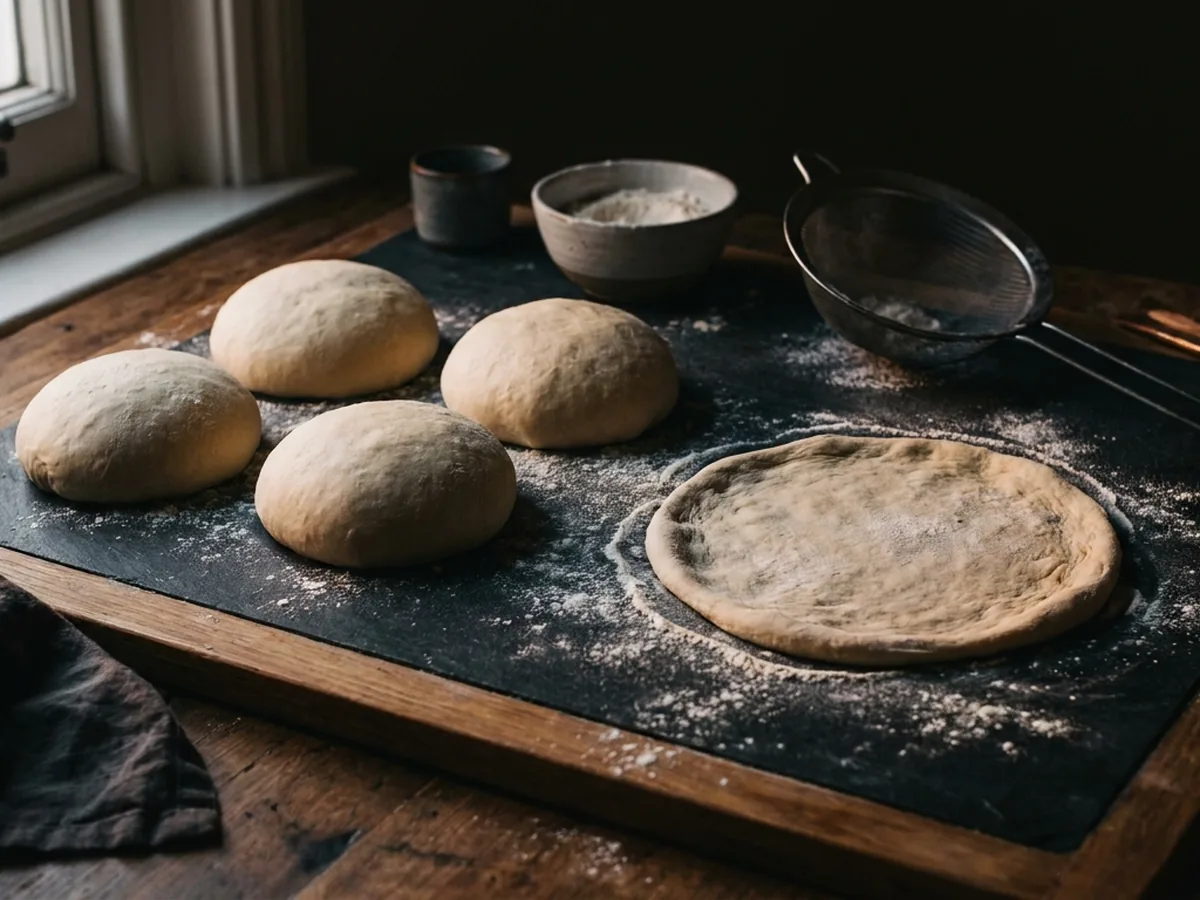
Three tablespoons of oil in the tin, a dough that proves where it bakes, and a base that fries from underneath. The o…
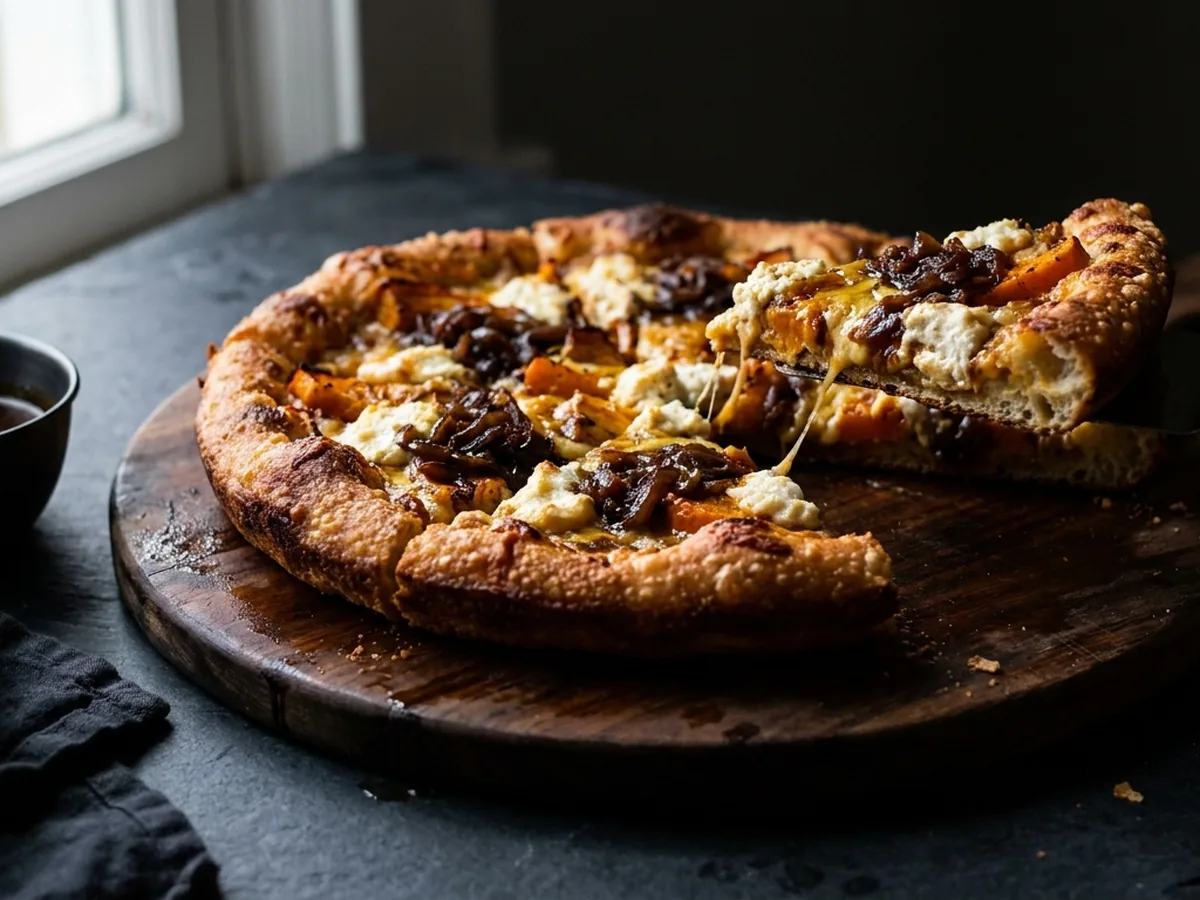
A pressed rather than tossed dough, cold-fermented for two days. Fifteen minutes of work, and the fridge does the rest.
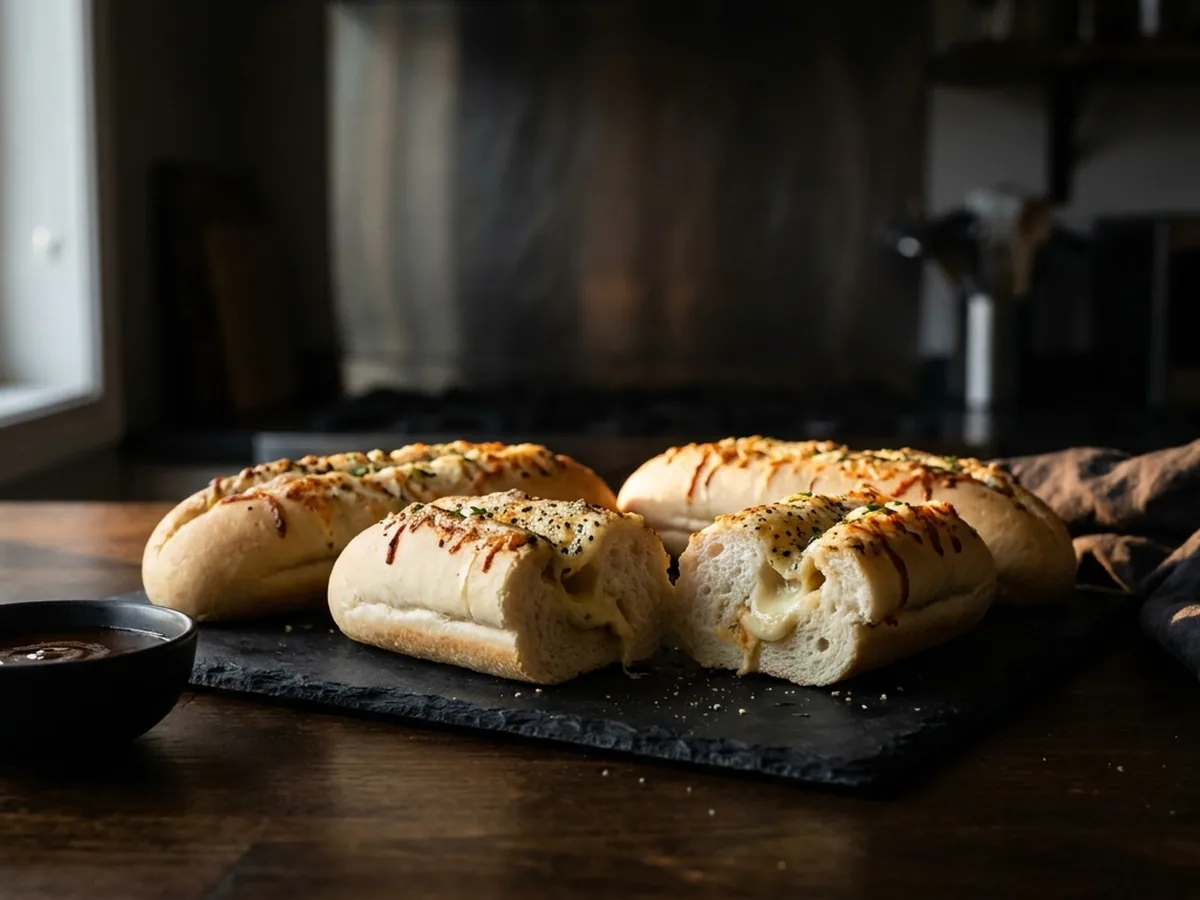
An enriched white dough baked in a shallow trough, finished with a herb and cheese blanket in the last four minutes. …
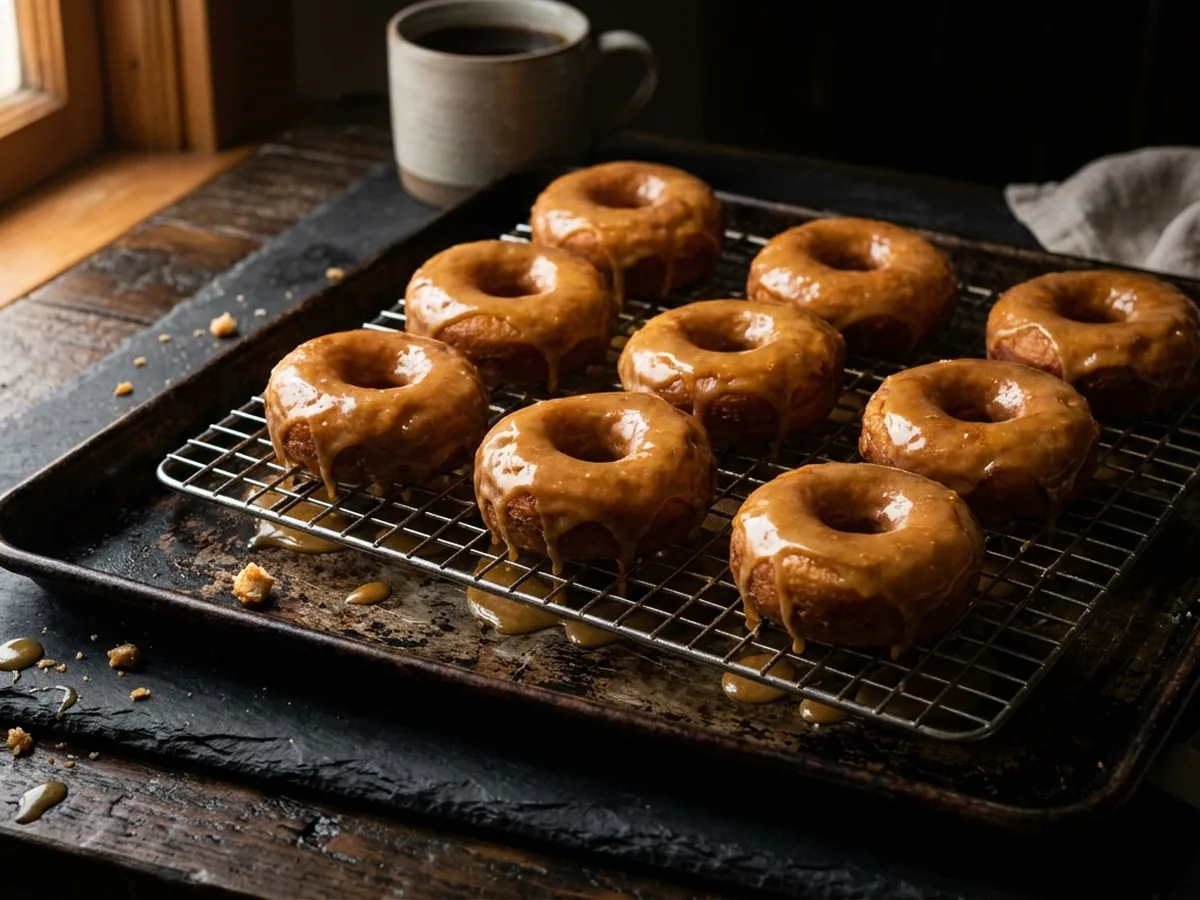
A very soft enriched dough, a short proof, forty-five seconds a side, and a thin glaze applied immediately. The heat …