Shake Shack
Shake Shack ShackBurger Copycat Recipe
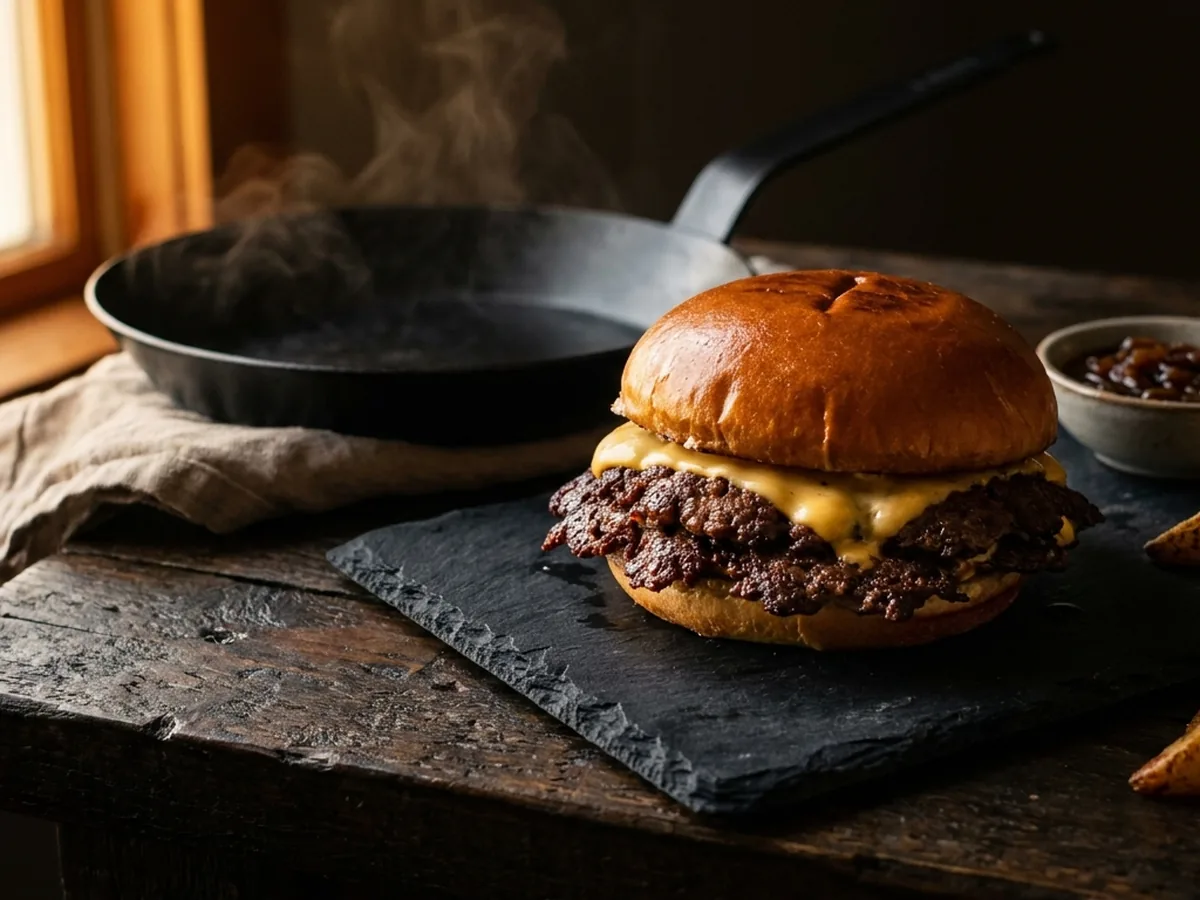
A crust taken further than feels comfortable, on a soft sweet roll, with ShackSauce underneath. Twelve minutes.
 food.fast
Takeaway taste, kitchen prices
Everything Else on the Shopping List Is Optional and Most of It Is a Waste
This guide exists to stop you buying things. Four items, about sixty pounds between them, account for nearly all of the difference between home cooking and restaurant cooking.
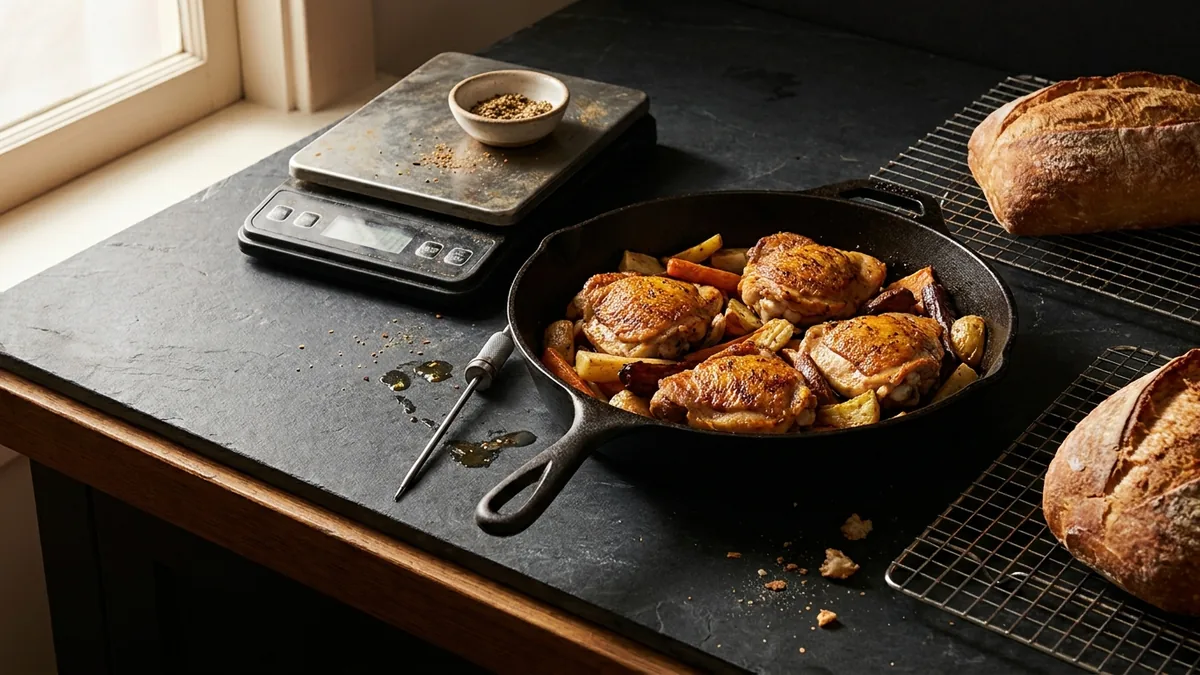
Cast iron or carbon steel, 26 cm or wider. This is the single biggest upgrade for anything cooked on a hob.
The reason is thermal mass. A 3 mm cast iron pan stores several times the energy of a 1.5 mm aluminium non-stick one, so when a cold patty lands on it the temperature barely drops. A thin pan collapses by forty degrees and then steams the food, which is grey rather than brown and cannot be recovered.
That is the whole of why home burgers usually fail, and it is covered in detail in the smash window.
Cast iron is cheapest, holds heat best, and needs seasoning and drying. Carbon steel is lighter, heats more evenly, and behaves similarly. Stainless with a thick base is a reasonable third option and costs more.
What it also does: goes in the oven, holds a pan pizza, serves as a skillet for queso, and lasts a lifetime.
Preheat it for five full minutes. This is the part people skip. The metal has to be hot all the way through, not just on the surface, and that takes time no matter how high the flame.
It answers three questions that are otherwise guesswork, and two of them are safety questions.
Is the meat cooked? 74 °C at the thickest point for chicken, measured away from the bone. Colour is not a reliable indicator - chicken can be pink at 80 °C and white at 65. This is the only way to know.
Is the oil at temperature? A clip-on version turns frying from guesswork into a controlled process, and lets you watch the recovery temperature after food goes in - which is what actually determines whether food comes out crisp or greasy.
Is the bread baked? 93 °C at the centre. Essential for anything you cannot judge by colour, like the near-black Outback loaf.
An instant-read probe is about twelve pounds and reads in three seconds. A clip-on for the oil is another eight. Together they are the best value purchase in this article.
Nothing else on this list prevents undercooked chicken.
The cheapest item here and the one that fixes the most recurring problem.
A cup of flour varies by up to 20 per cent depending on how it was filled. Scooped and packed: about 150 g. Spooned and levelled: about 120 g. That is a 40 g swing on a single cup, and on a four-cup recipe it is enough to turn a 62 per cent hydration pizza dough into a 52 per cent one - which is the difference between a base and a cracker.
For a sauce it does not matter. For a dough it is the whole recipe, and it is why every dough on this site is written in grams and in baker's percentages.
It also makes scaling trivial. Doubling a recipe in grams is arithmetic; doubling it in cups is arithmetic plus a measurement error at every step.
Get one that reads in 1 g increments and has a tare button. Eight pounds. There is no reason to spend more.
The cheapest and most neglected item in any kitchen, and it solves one problem completely.
Steam. Food sitting flat on a plate or a tray traps steam underneath itself. Steam softens crusts. A crust you have spent an entire recipe building is destroyed in about ninety seconds by being put on a plate.
Where it matters:
Two pounds. It appears in more recipes on this site than any other piece of equipment.
An air fryer, £60 to £150 - the honest maybe. Genuinely useful and genuinely optional. It does a specific set of things very well - wings, chips, reheating fried food, anything breaded - and is limited by capacity and useless for wet batters. If you fry often it earns its worktop space. Covered properly in getting crisp without a fryer.
A stand mixer, £200+. Saves your arms on doughs and changes nothing about the result. A bowl, a scraper and eight minutes produces the same dough. Buy one when you are making bread weekly, not before.
A deep fat fryer, £50 to £120. A convenience, not a requirement. A heavy pan and a clip-on thermometer does the same job. What a fryer adds is temperature stability and easier oil handling.
A food processor, £40. Needed for exactly one recipe here - the nuggets - and useful for chopping. Not a priority.
Sous vide, pressure cookers, specialist pans, a pizza oven. None of them appear in any recipe on this site.
A pizza steel, £40 is the one specialist item worth considering if you make pizza often. It conducts heat faster than a stone and gives a better base.
A crust taken further than feels comfortable, on a soft sweet roll, with ShackSauce underneath. Twelve minutes.
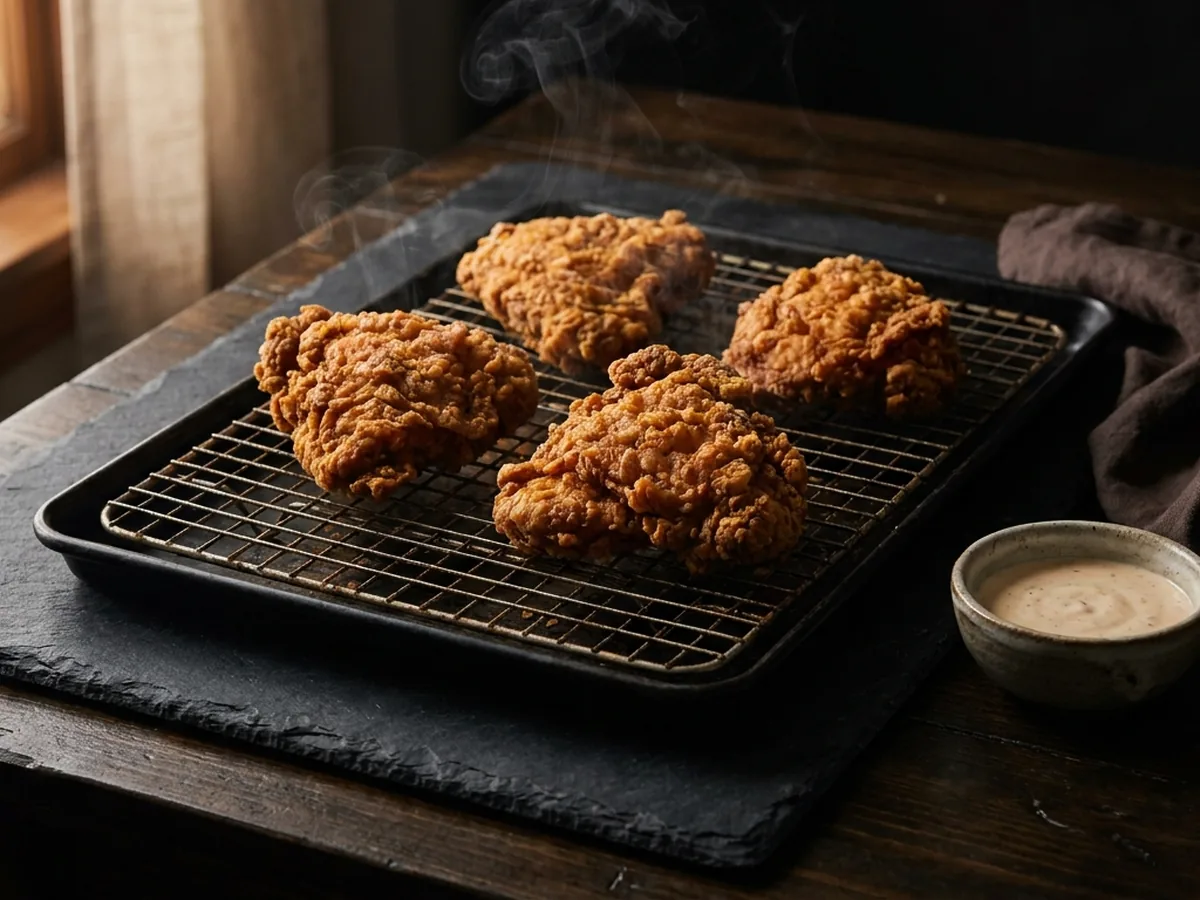
Buttermilk brine, a double dredge with a rest, and controlled shallow frying. Honest about the one thing a home kitch…
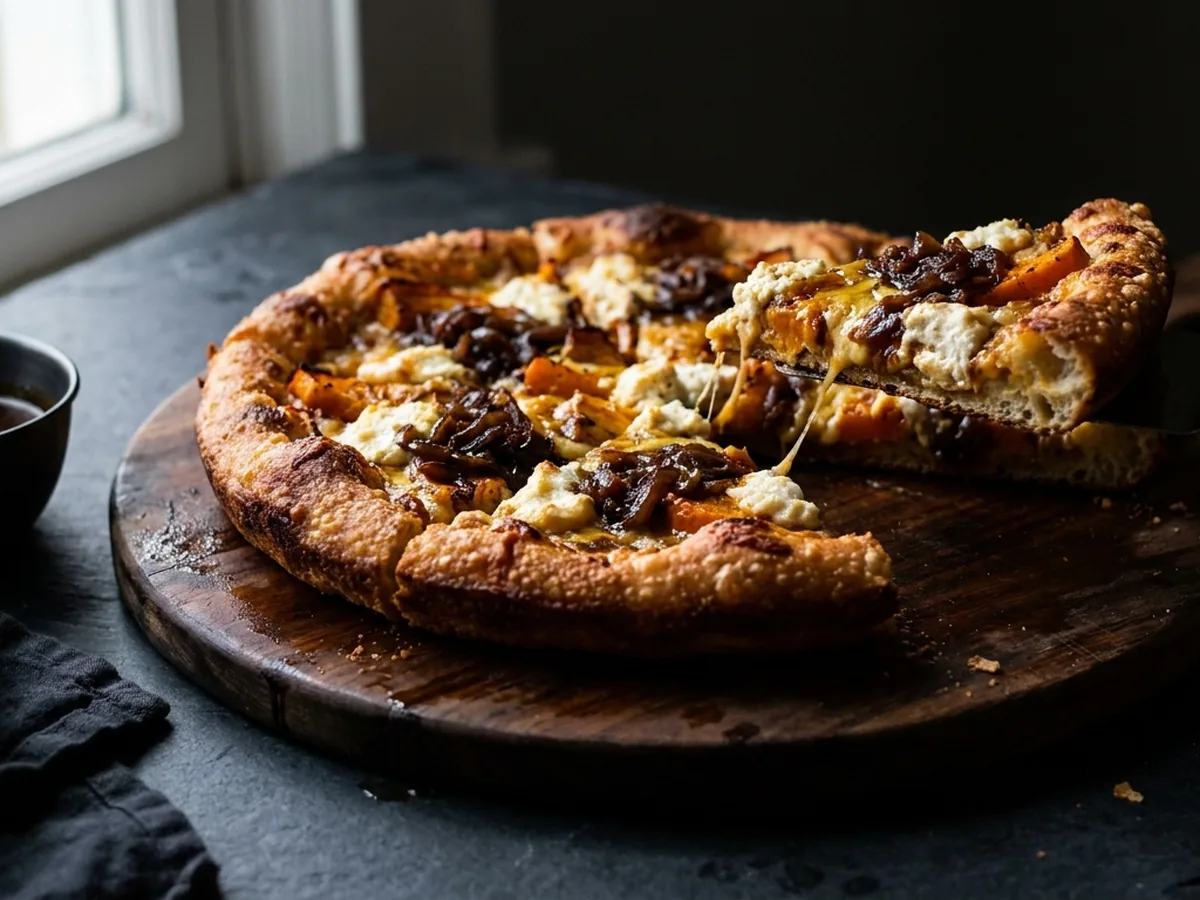
Three tablespoons of oil in the tin, a dough that proves where it bakes, and a base that fries from underneath. The o…
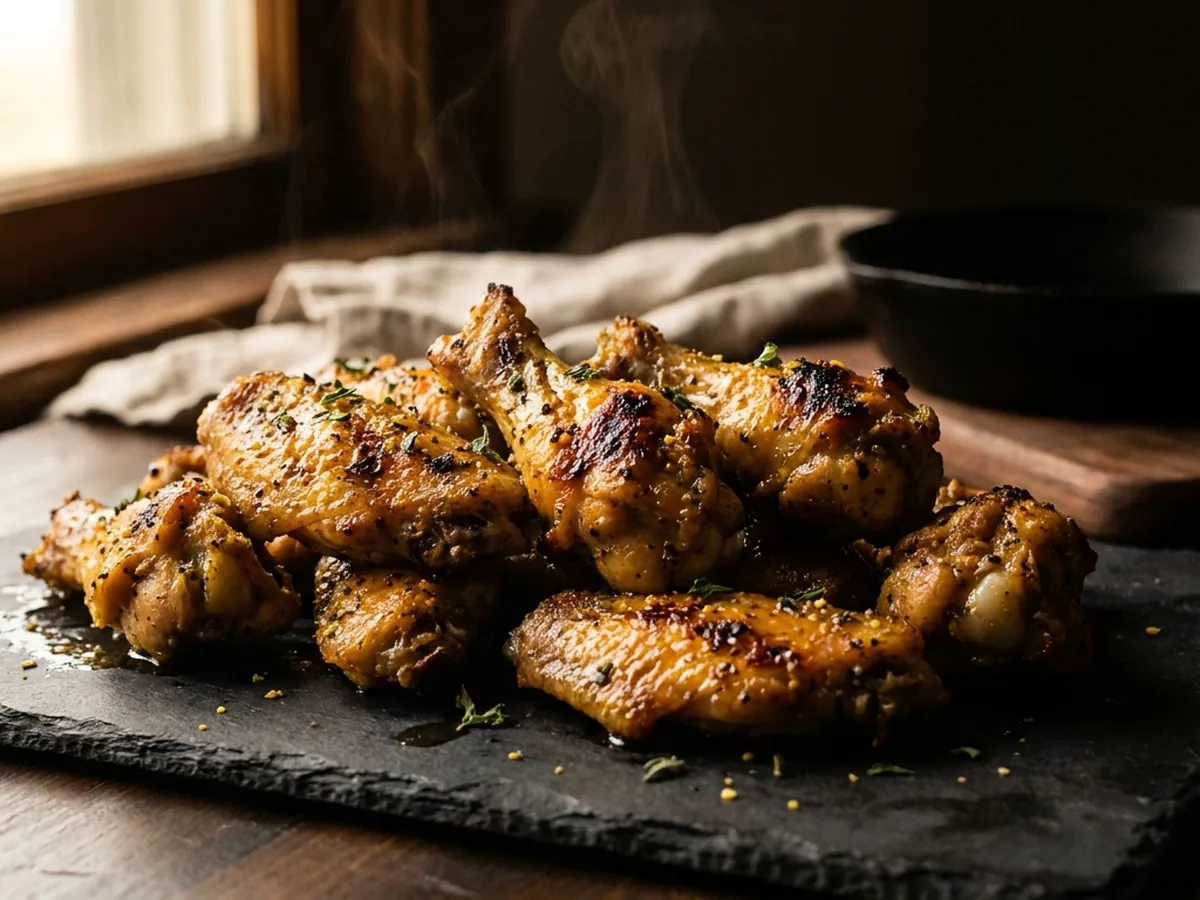
The chain's most ordered flavour, and the reason home versions taste dusty is that they skip the butter. Forty minutes.